2025
En 2015, mi padre descubrió por casualidad la existencia de un tío abuelo hasta entonces desconocido, Manuel Vázquez Getrero, fusilado en 1936 durante la Guerra Civil Española, así como la de su hijo Ángel, desaparecido en las mismas fechas en circunstancias aún sin esclarecer. Este hallazgo reveló una rama familiar que fue ocultada debido al clima de represión de la época y marcó el inicio de una investigación minuciosa y prolongada, en la que mi padre logró reunir un conjunto de documentos oficiales —certificados de nacimiento, matrimonio, actividad laboral, actividad política, detenciones— que permiten trazar algunos hitos en sus trayectorias vitales. Asimismo, consiguió localizar a los descendientes directos de Manuel, quienes han contribuido al proceso de identificación genética, actualmente en curso, de los cuerpos hallados en una fosa común de Nerva (Huelva), el pueblo minero en el que vivían, marcado por la opresión, pero también por una tenaz resistencia.
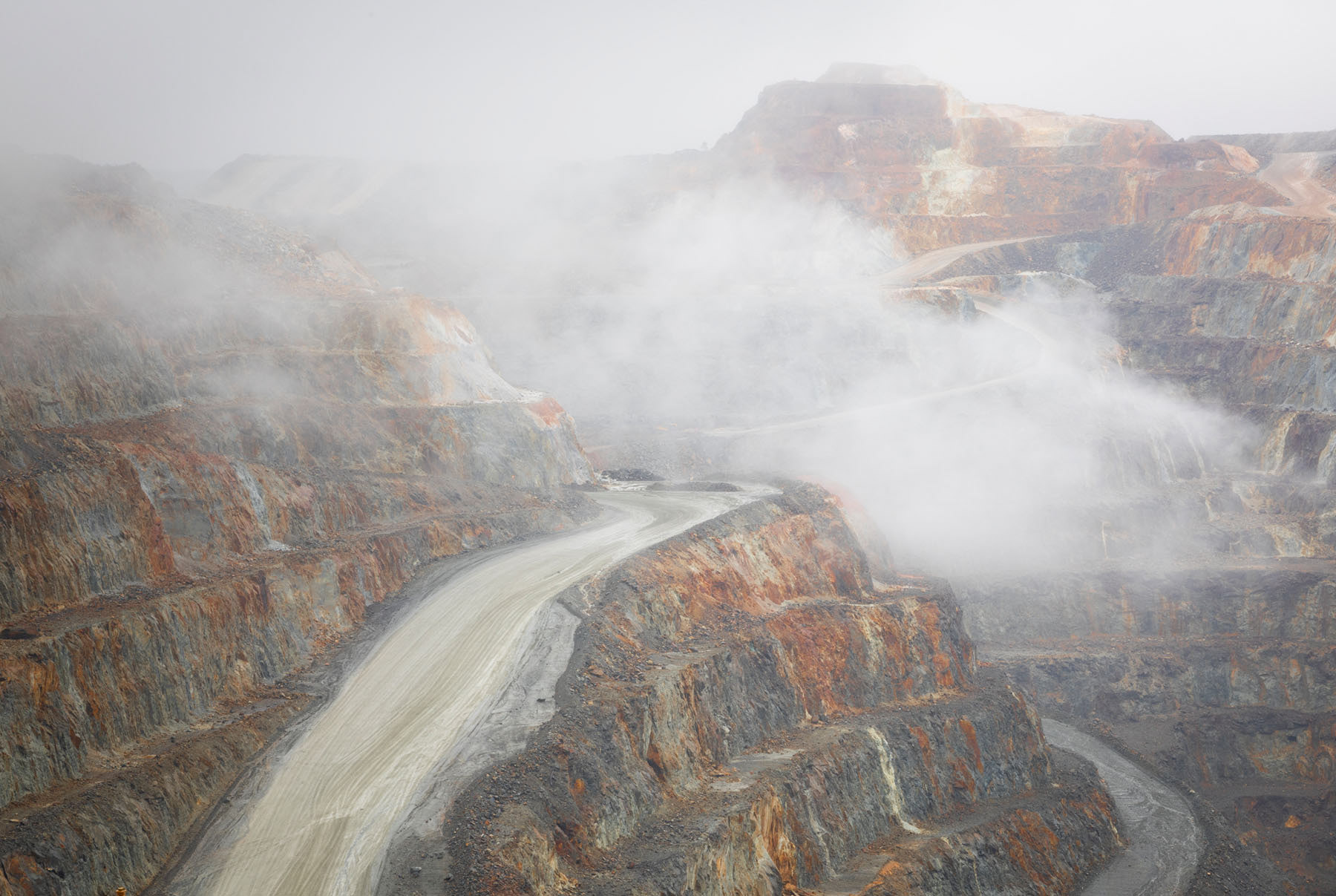
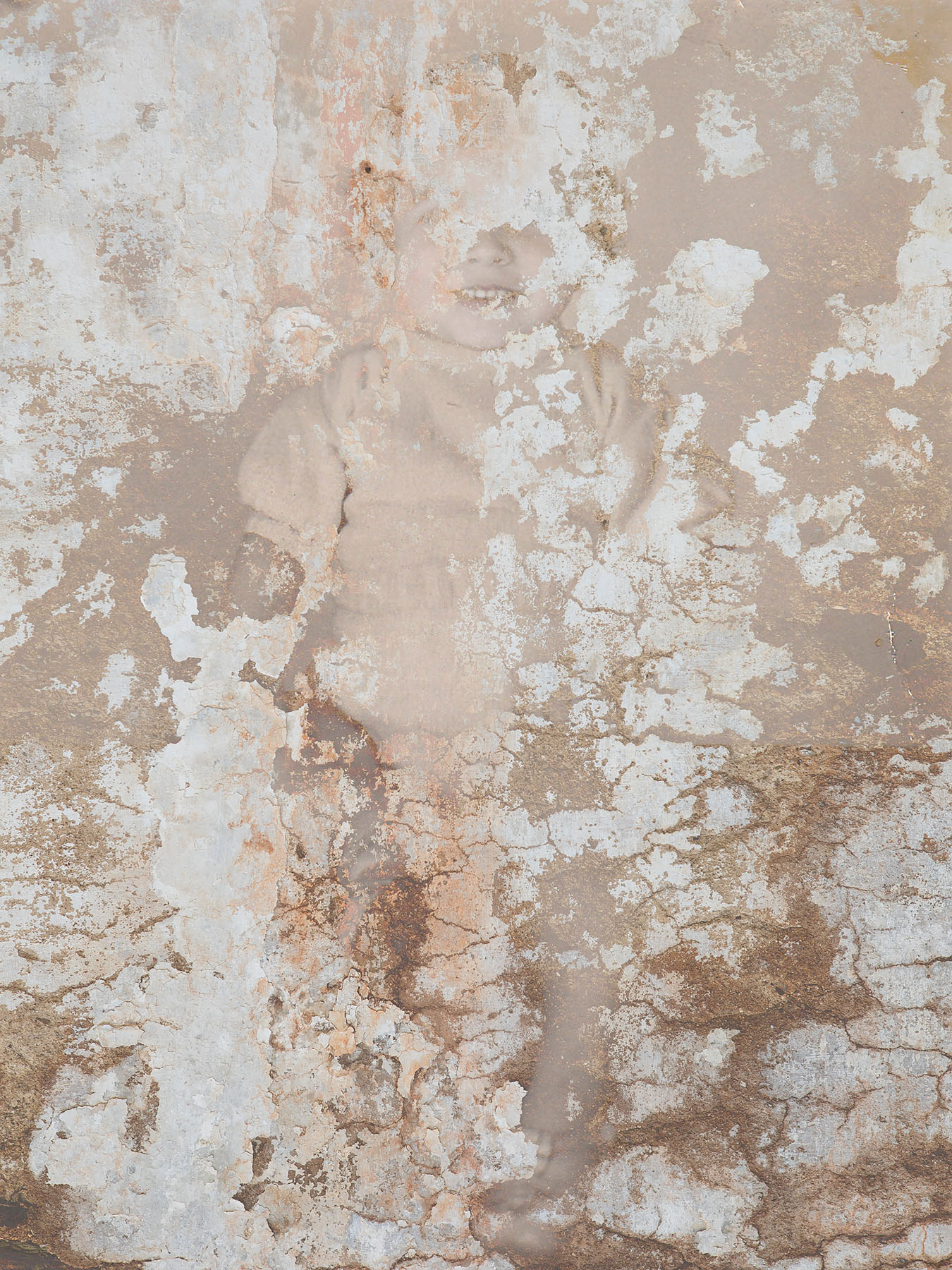
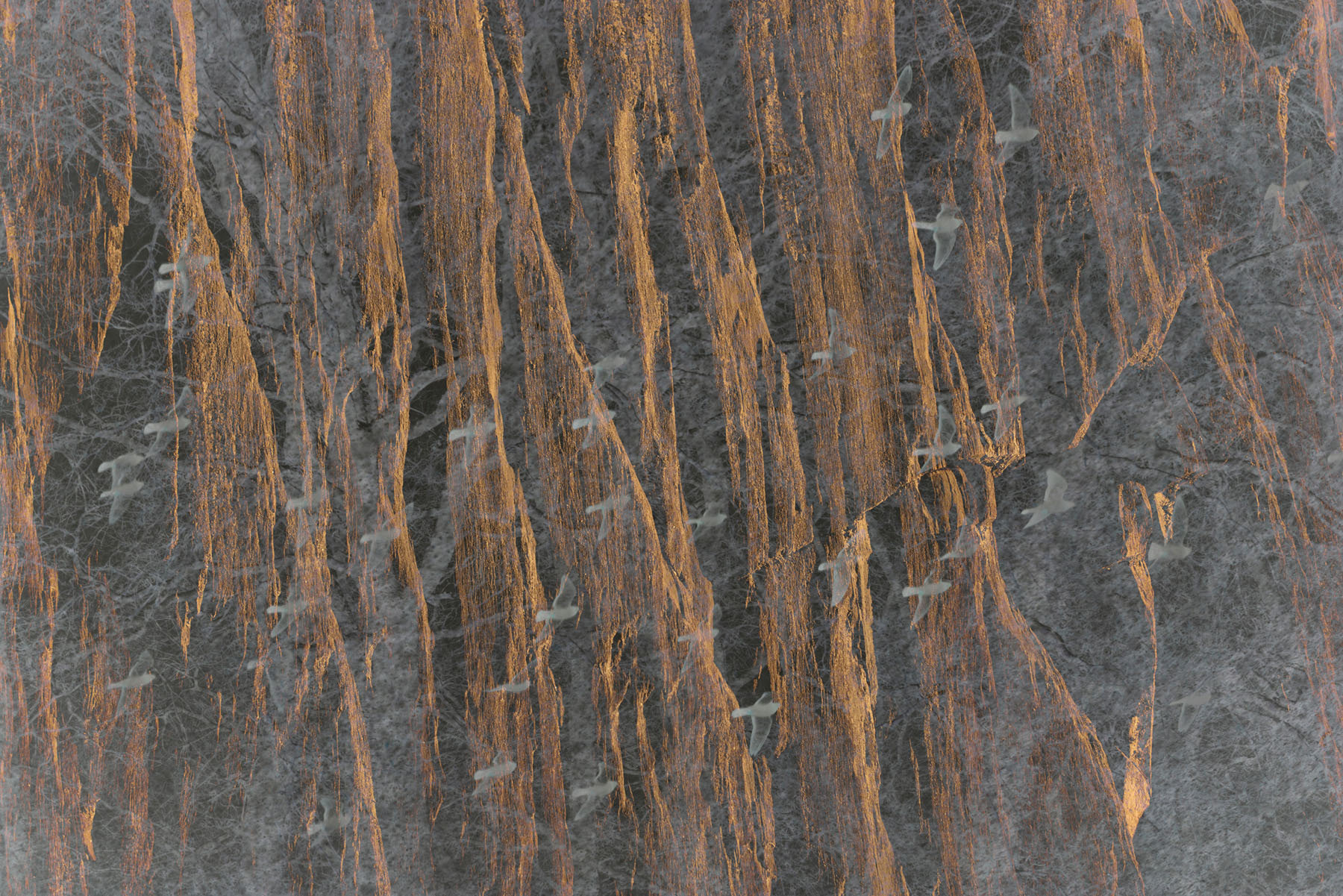
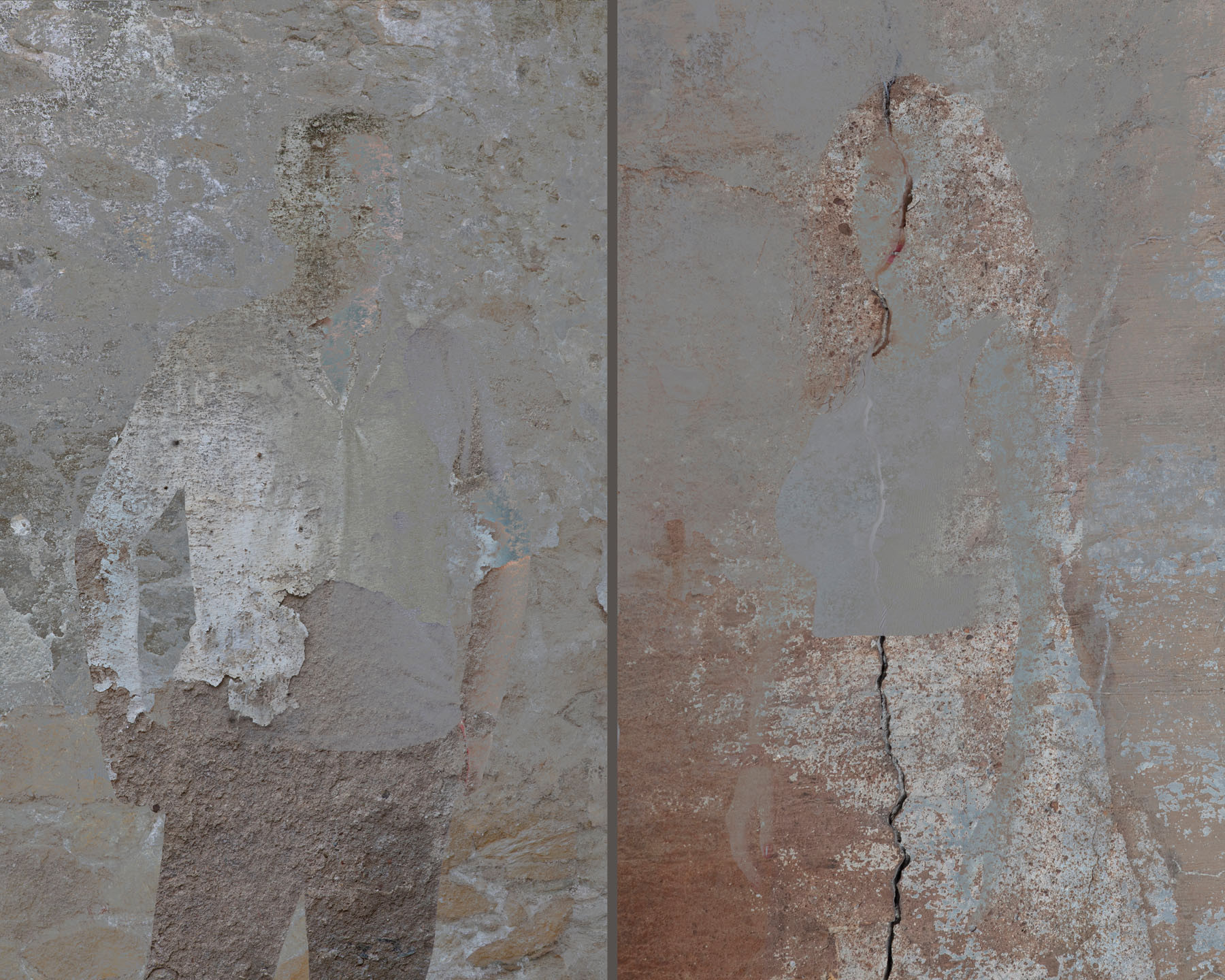
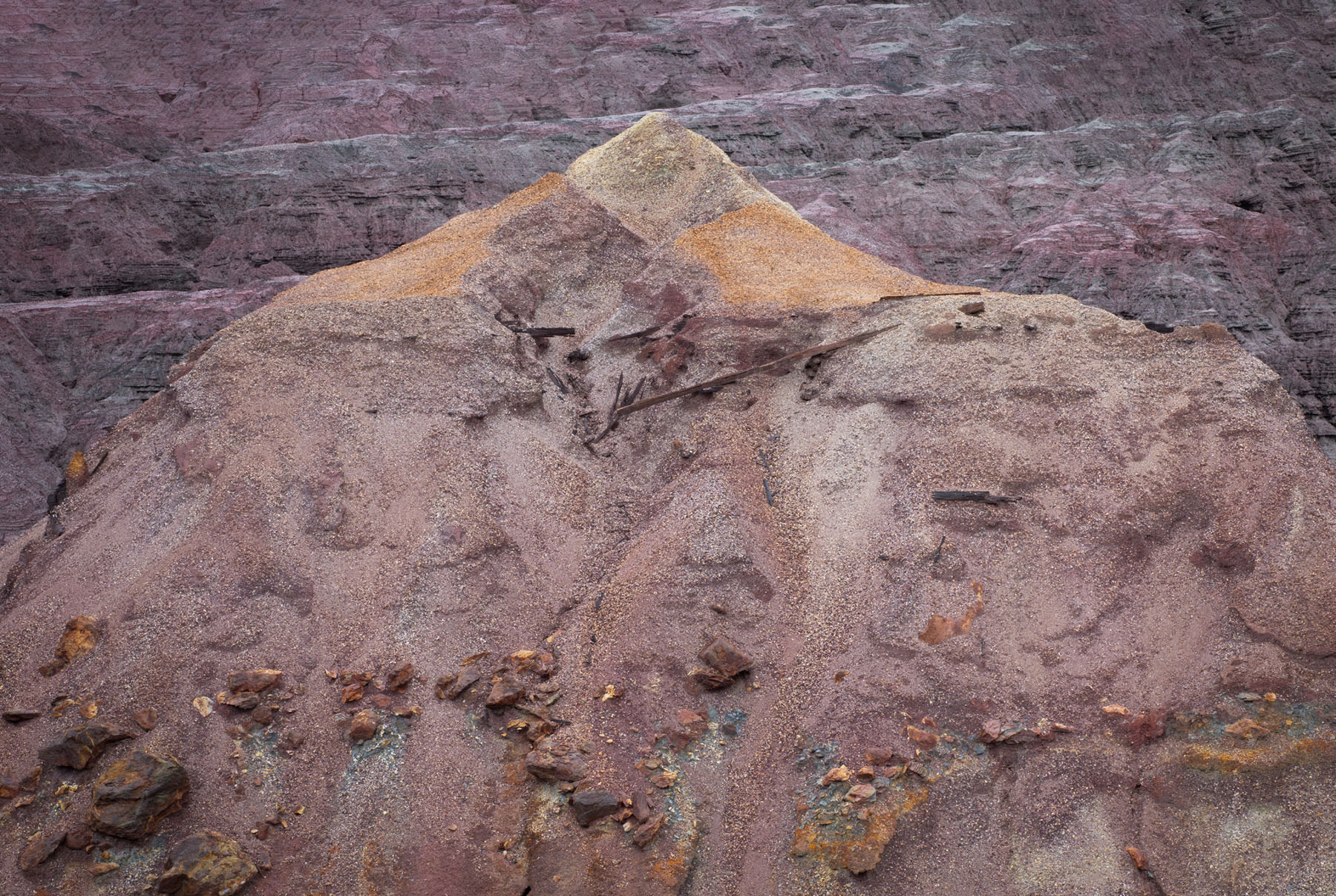
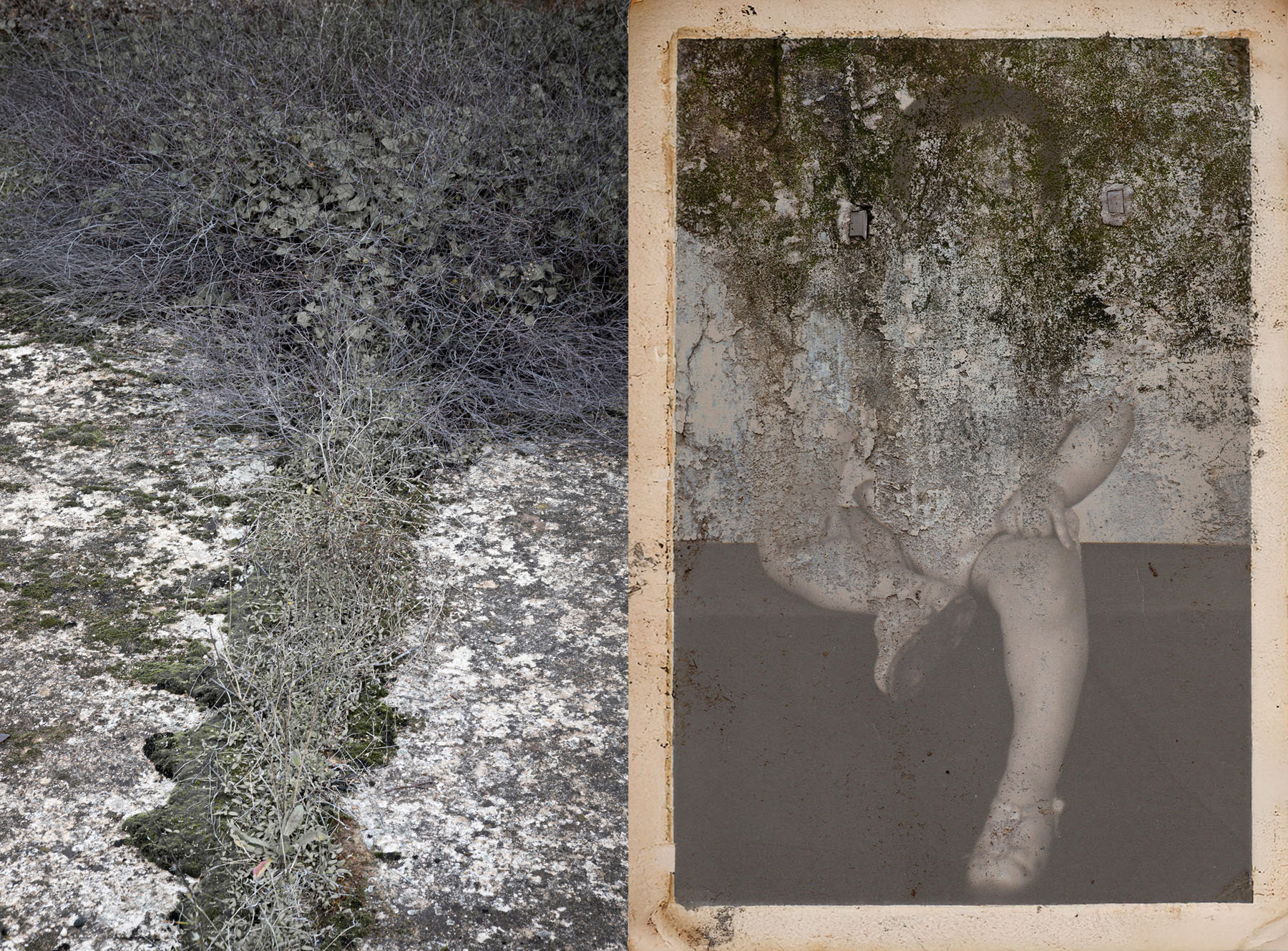
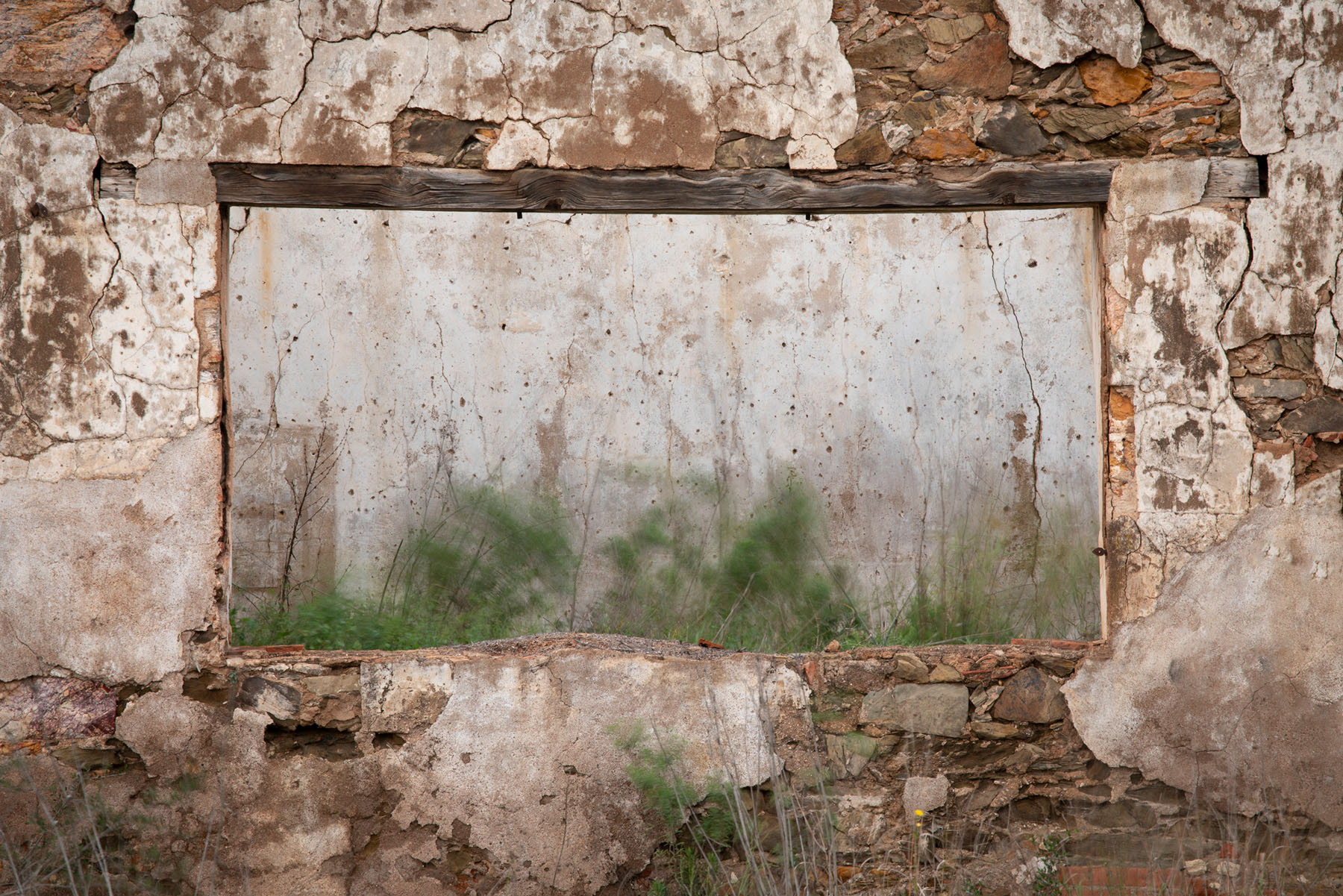
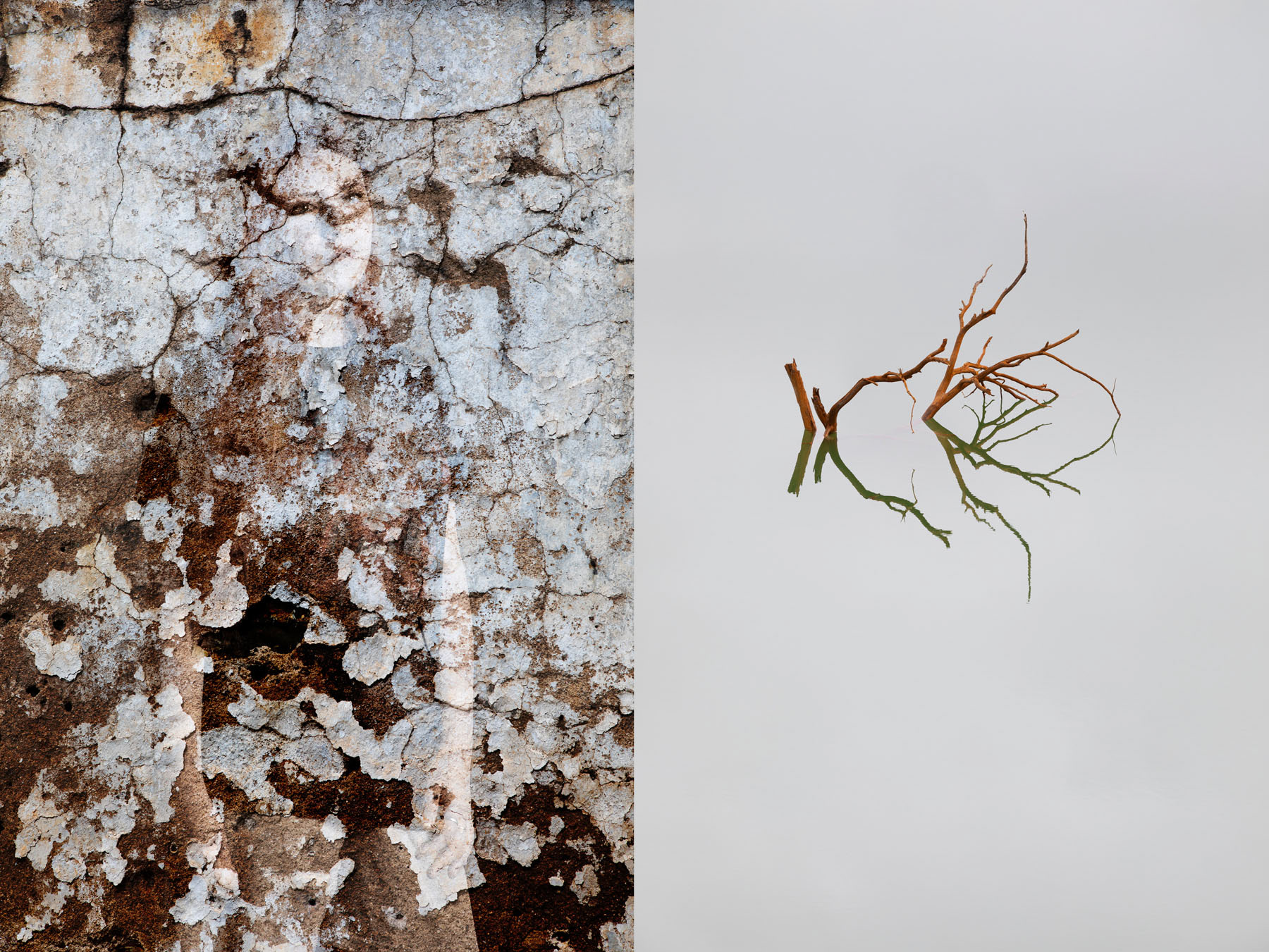
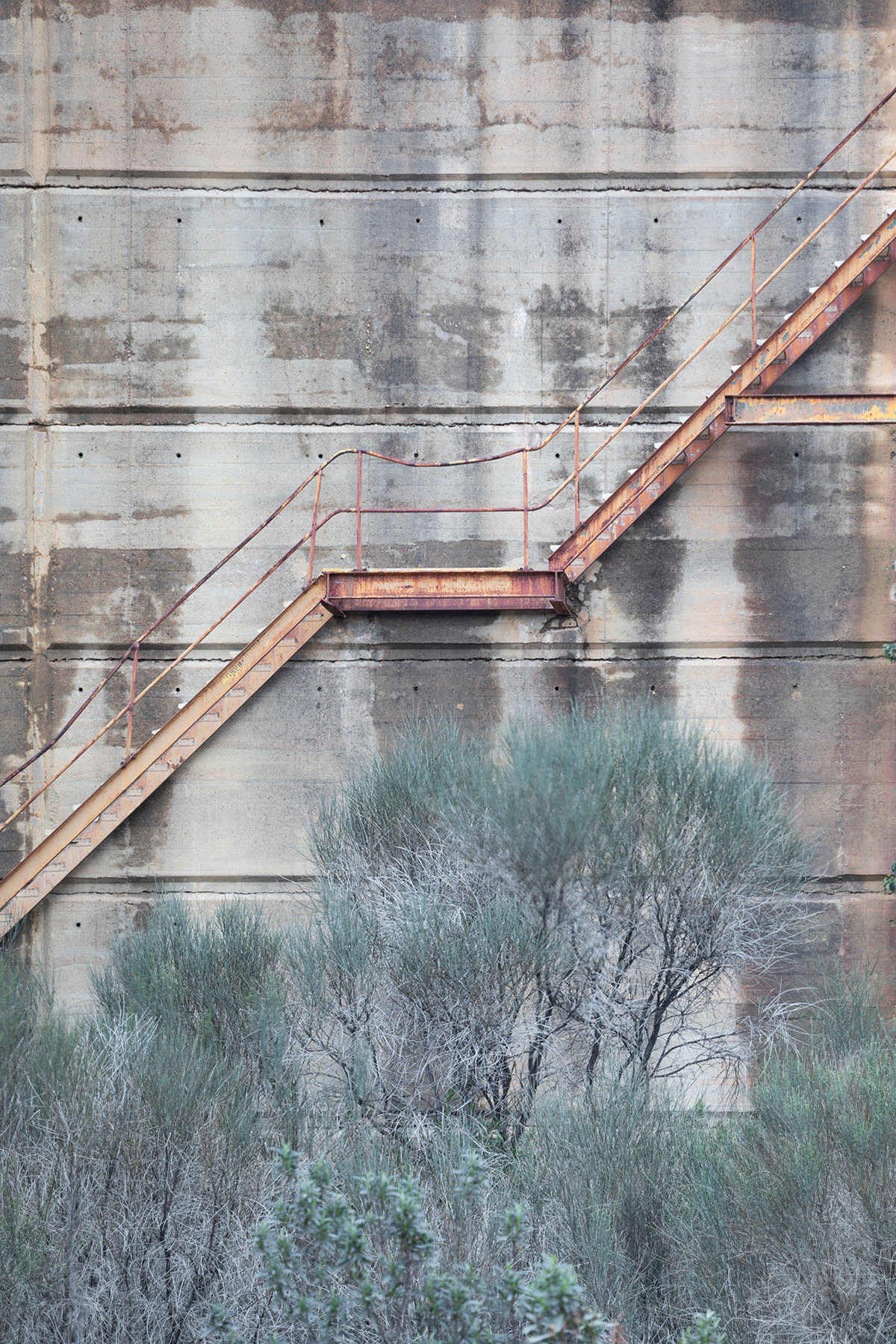
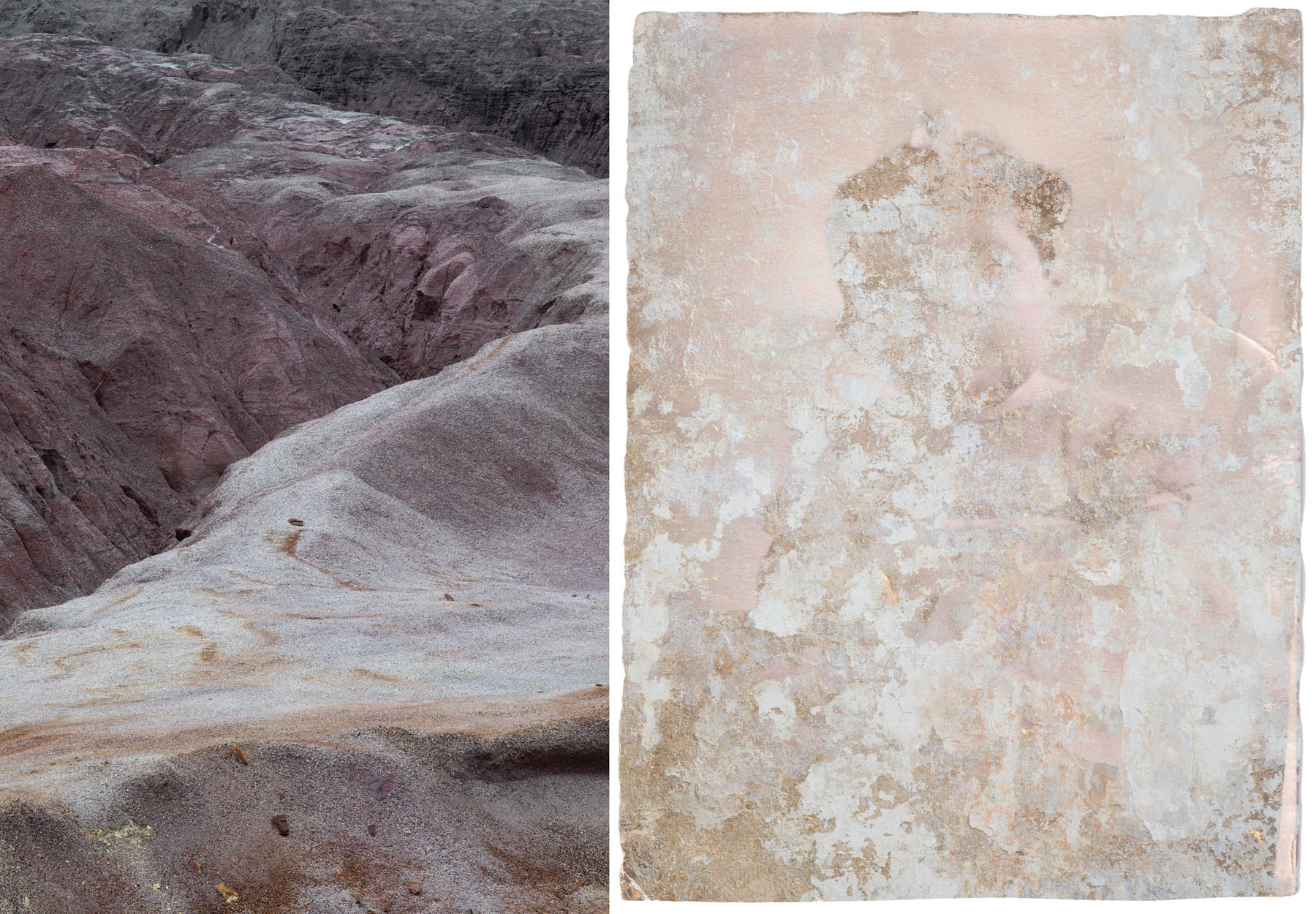
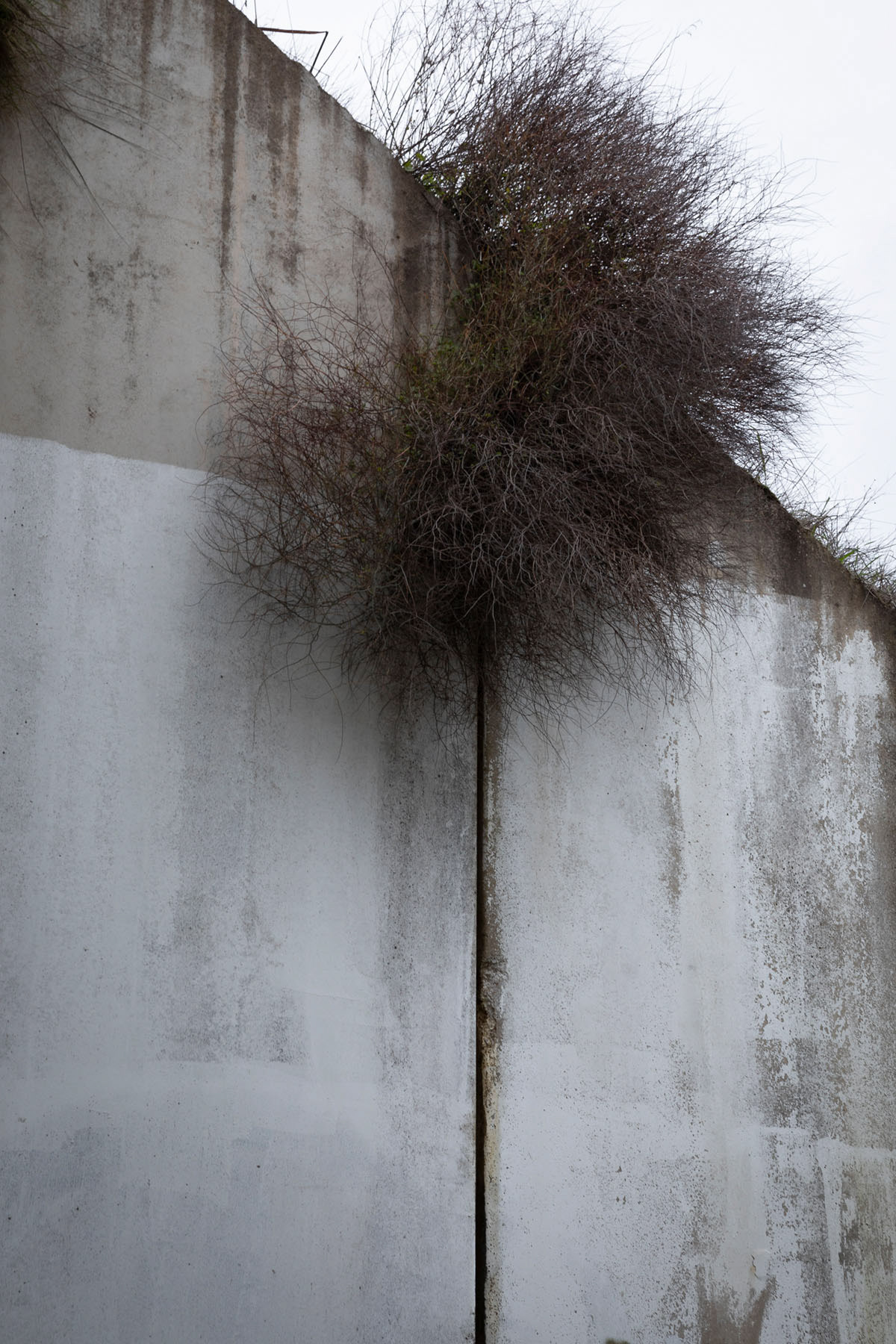
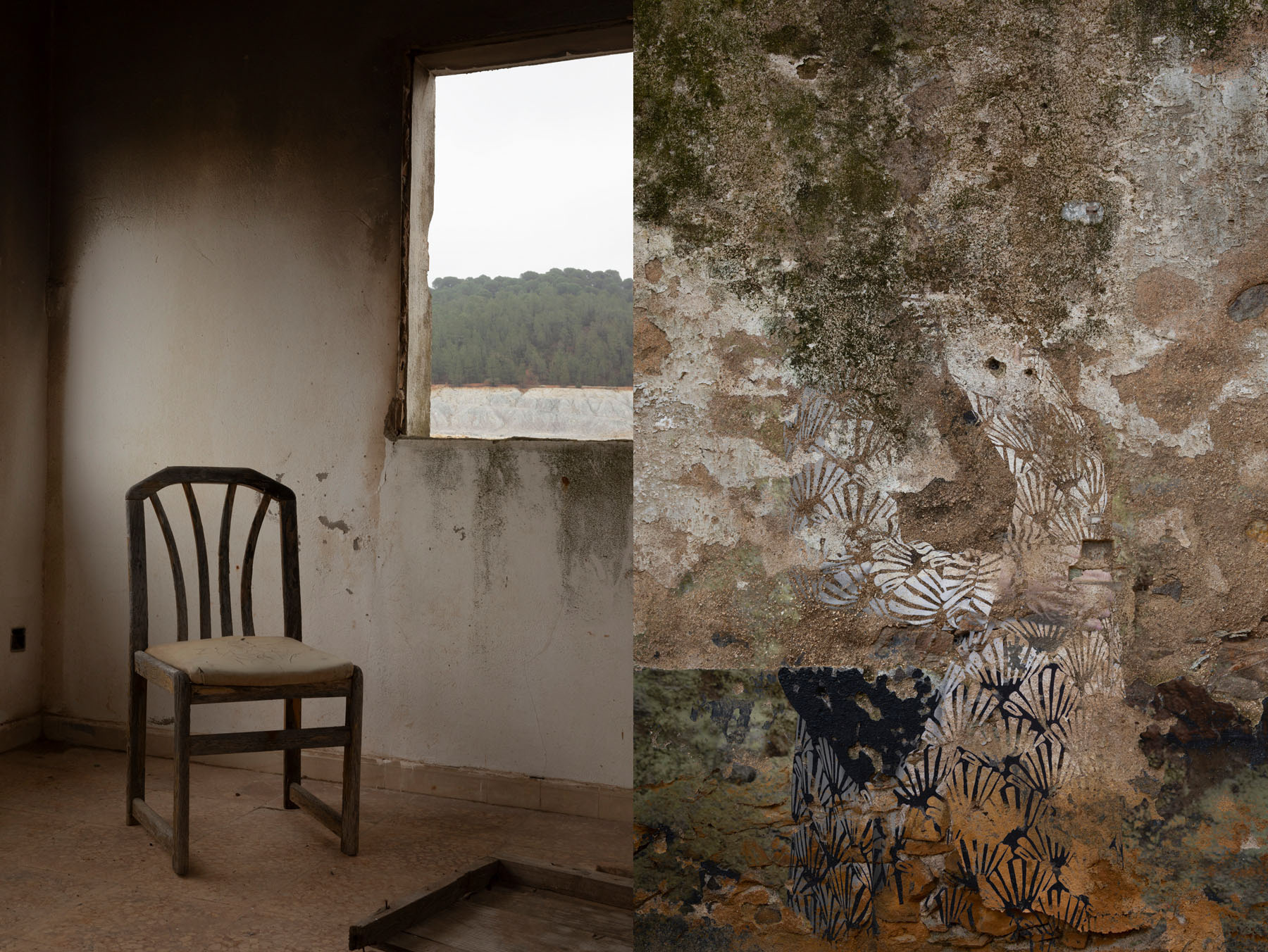
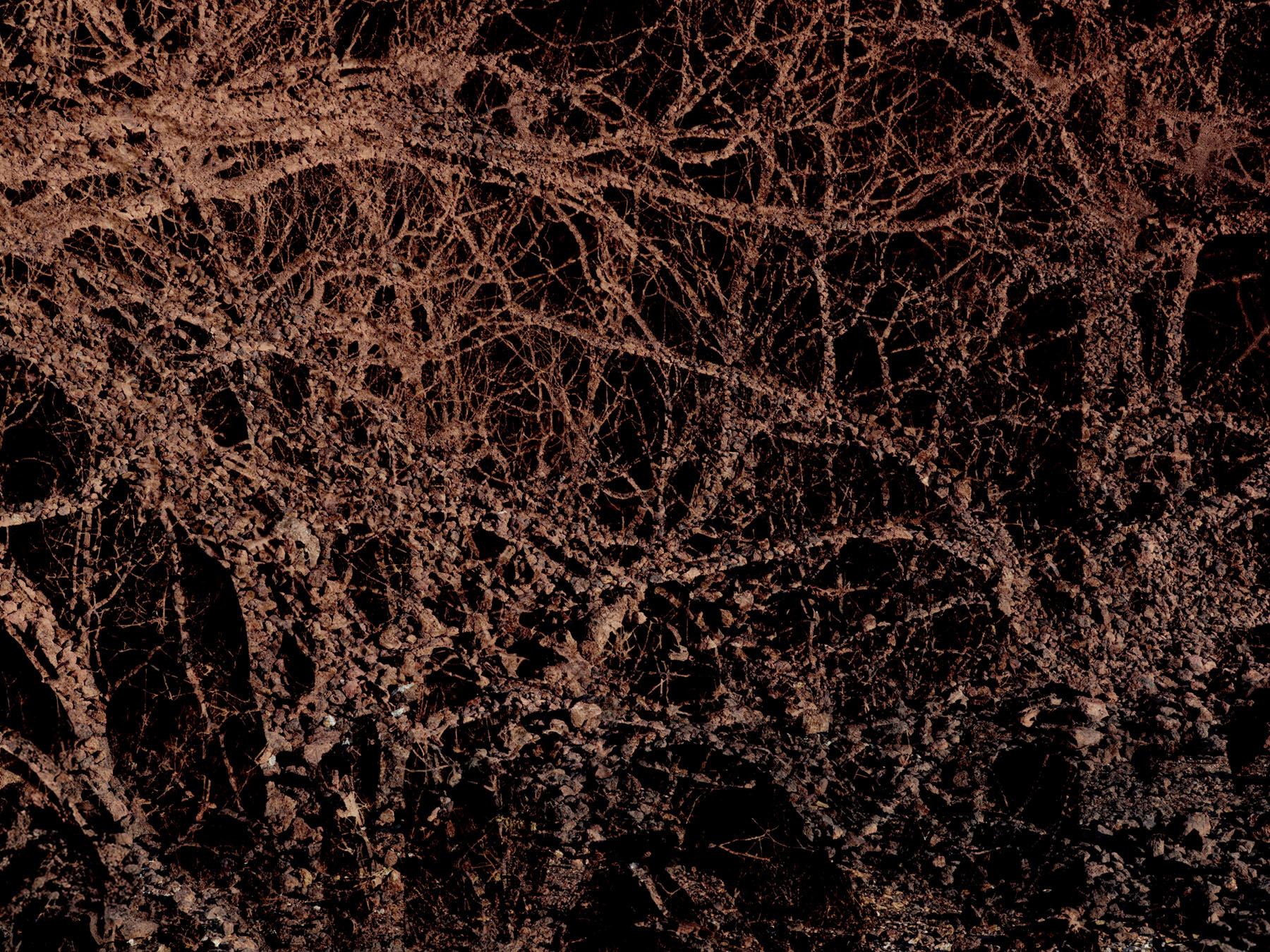
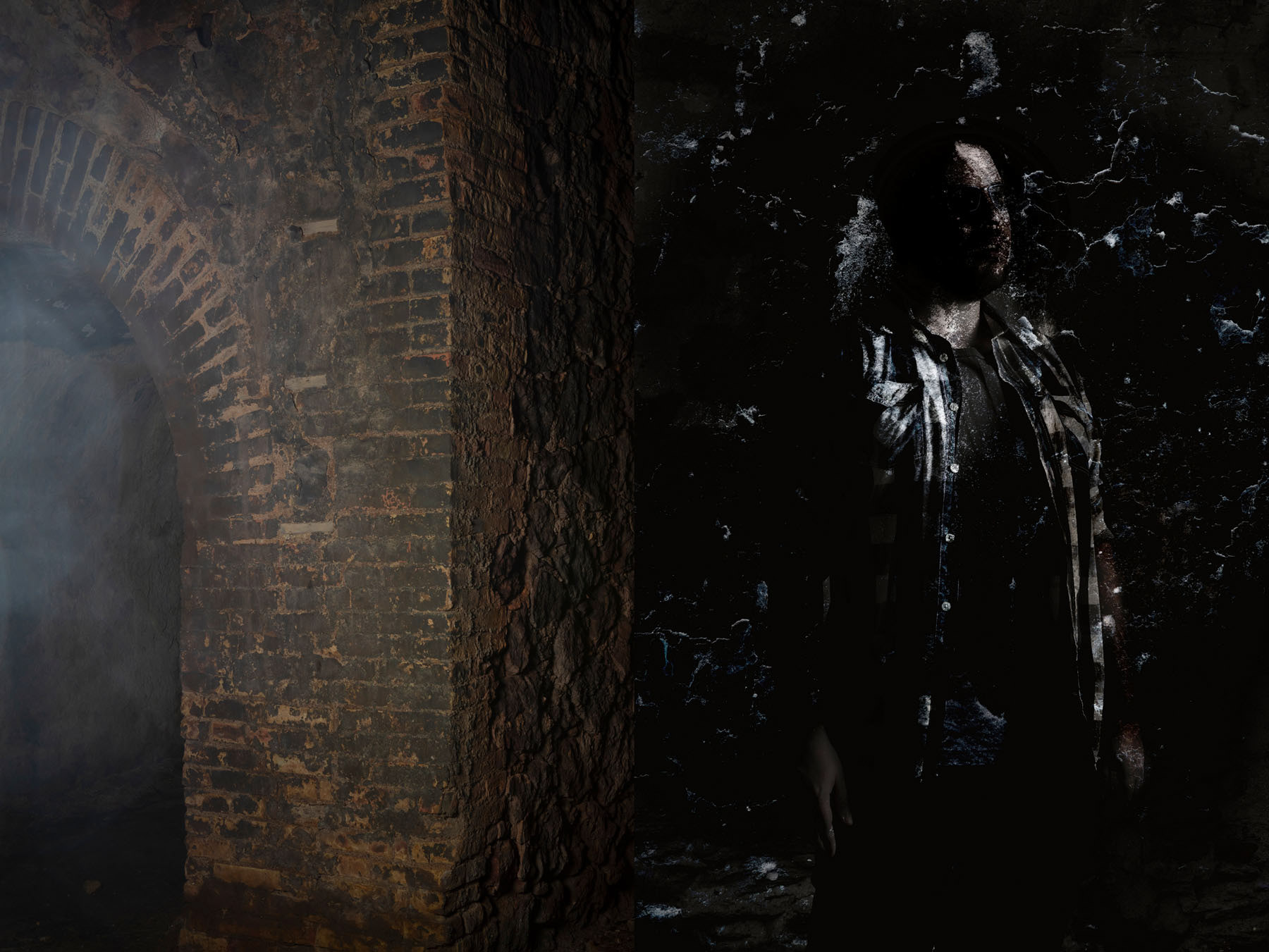
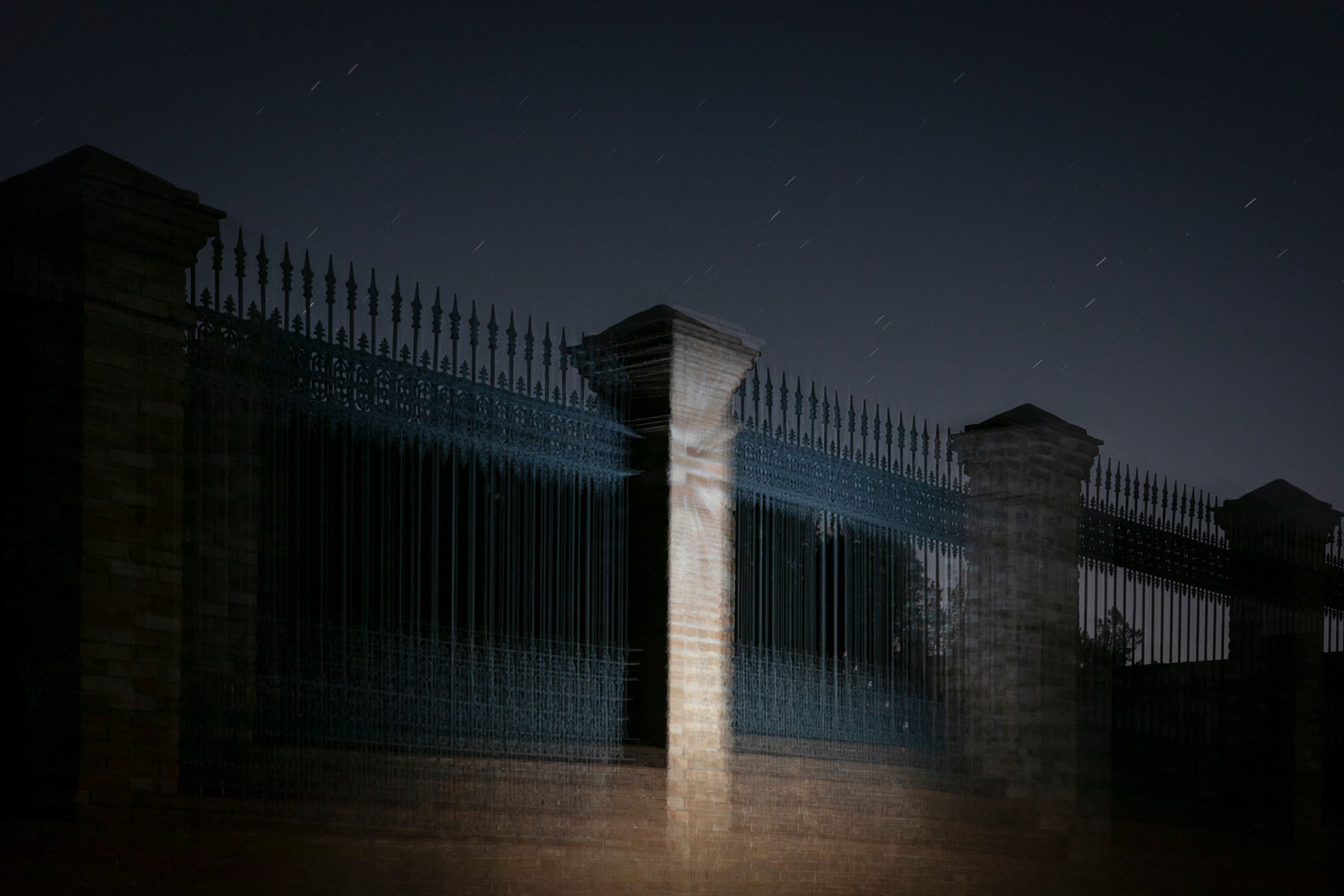
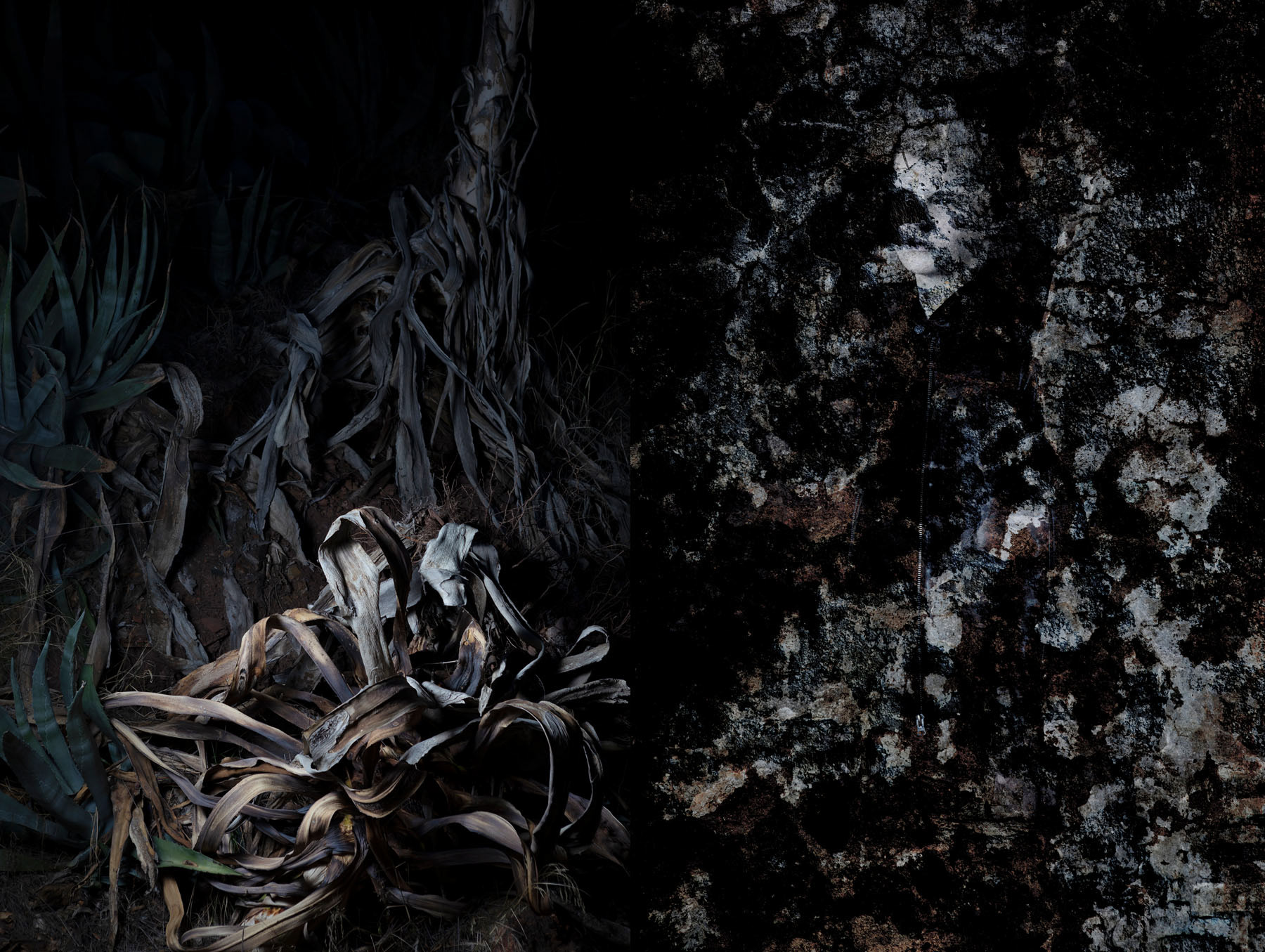
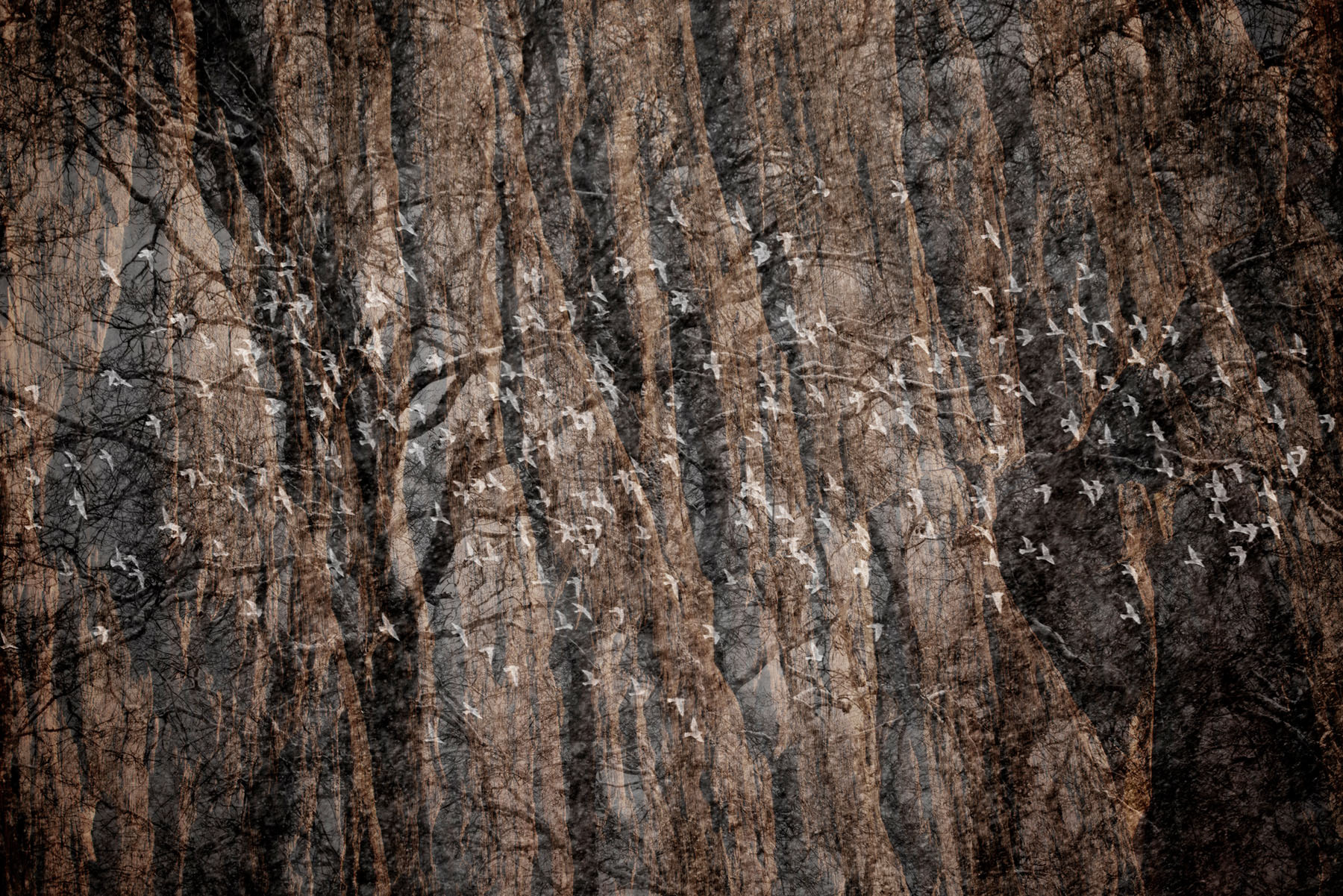
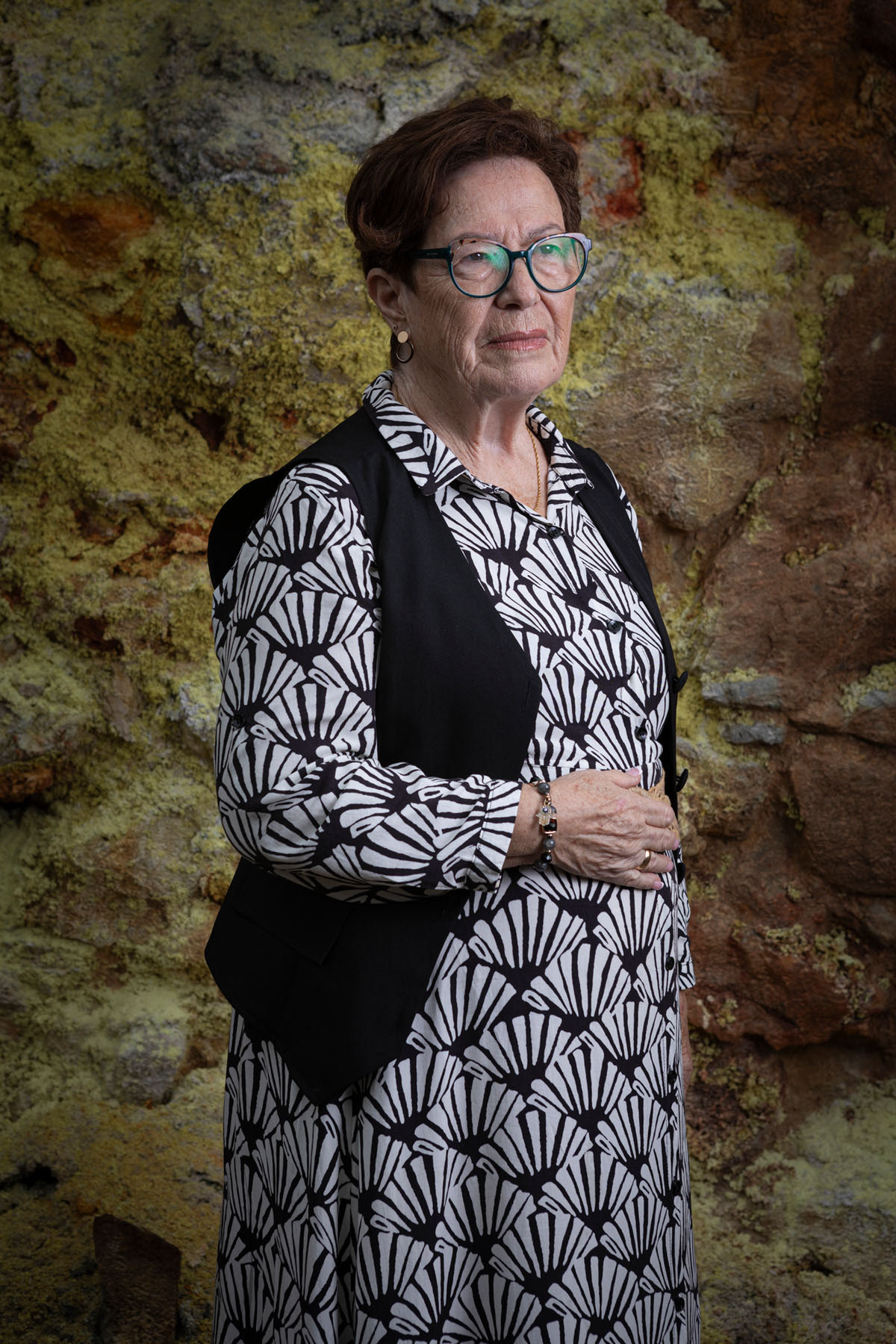
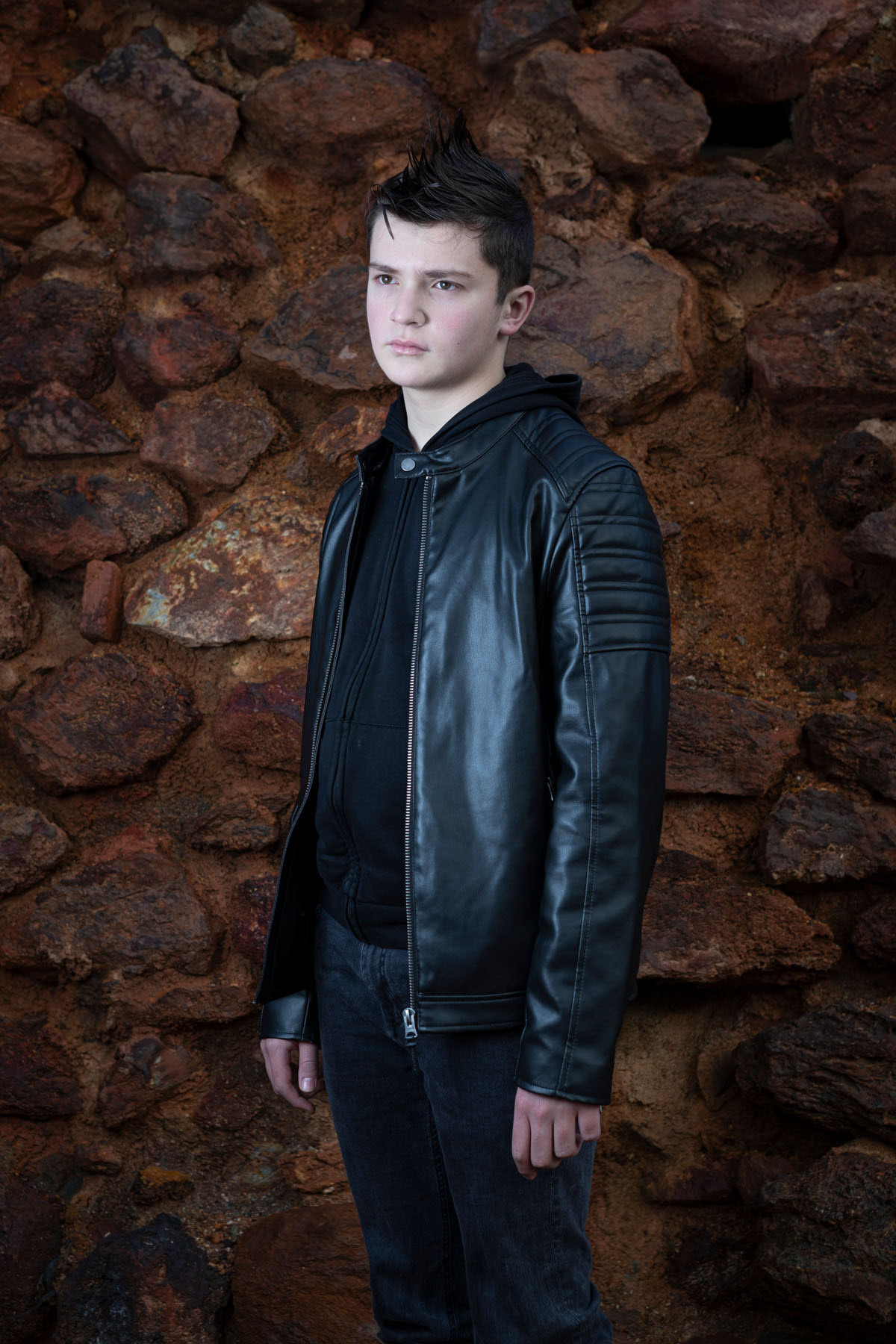
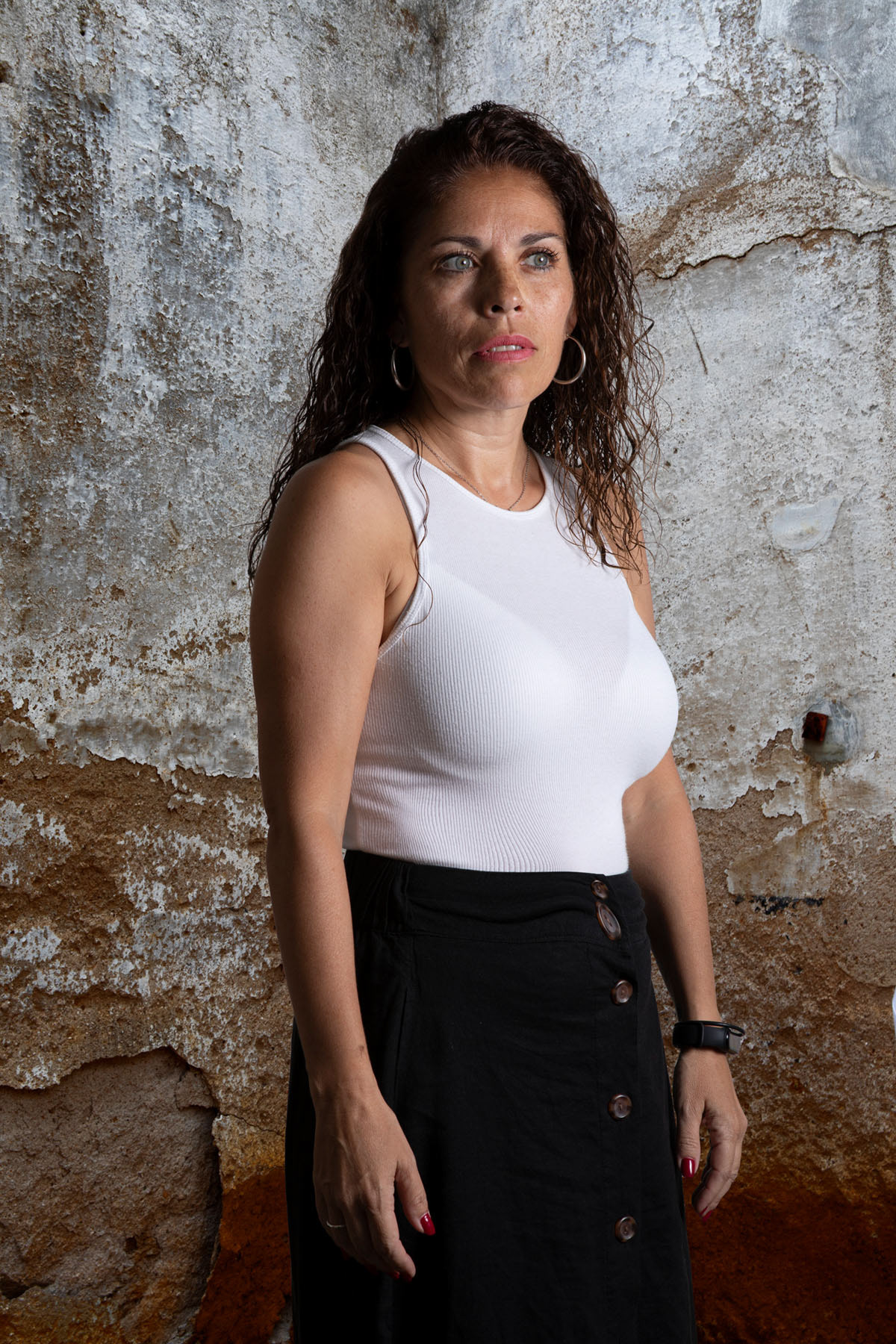
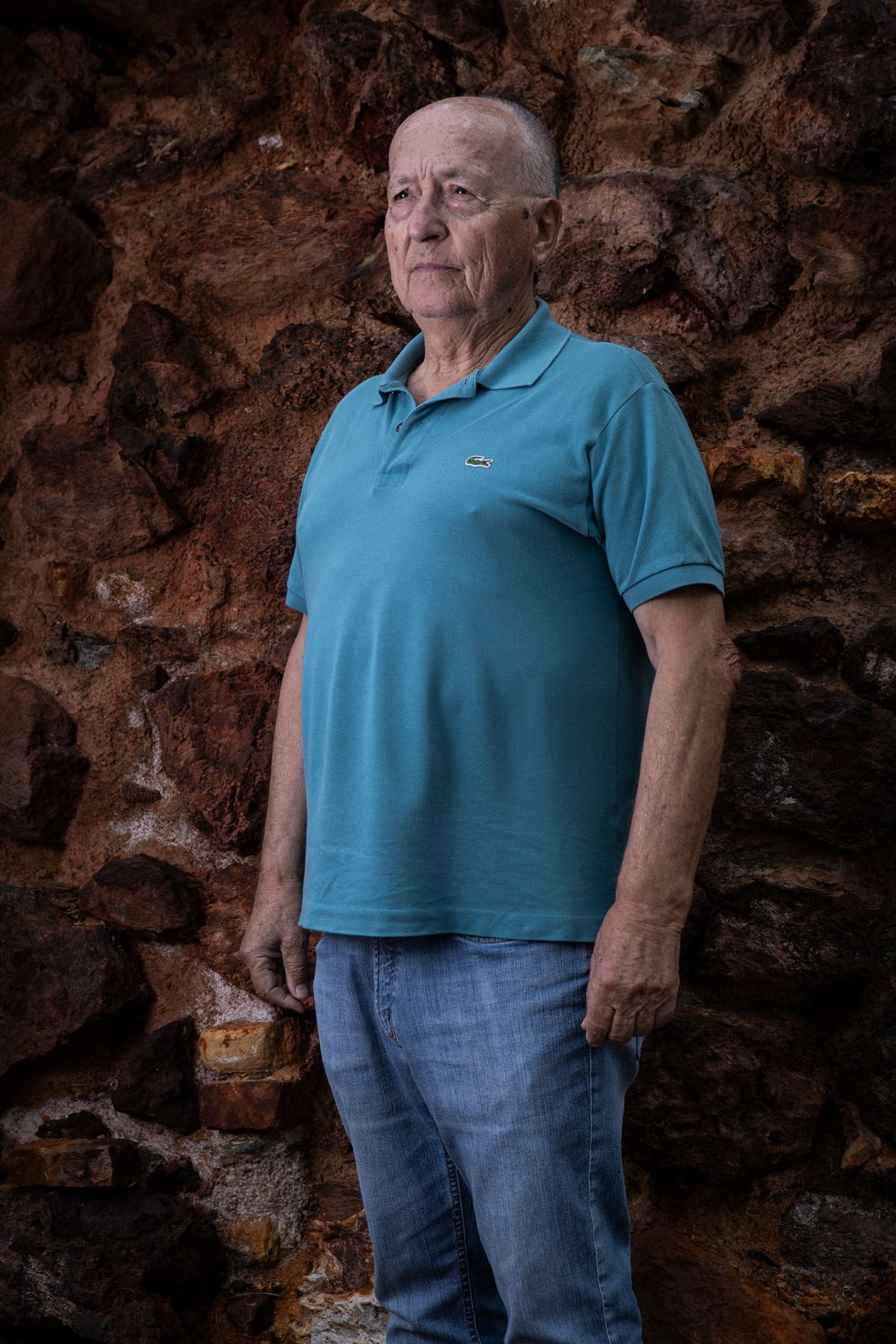
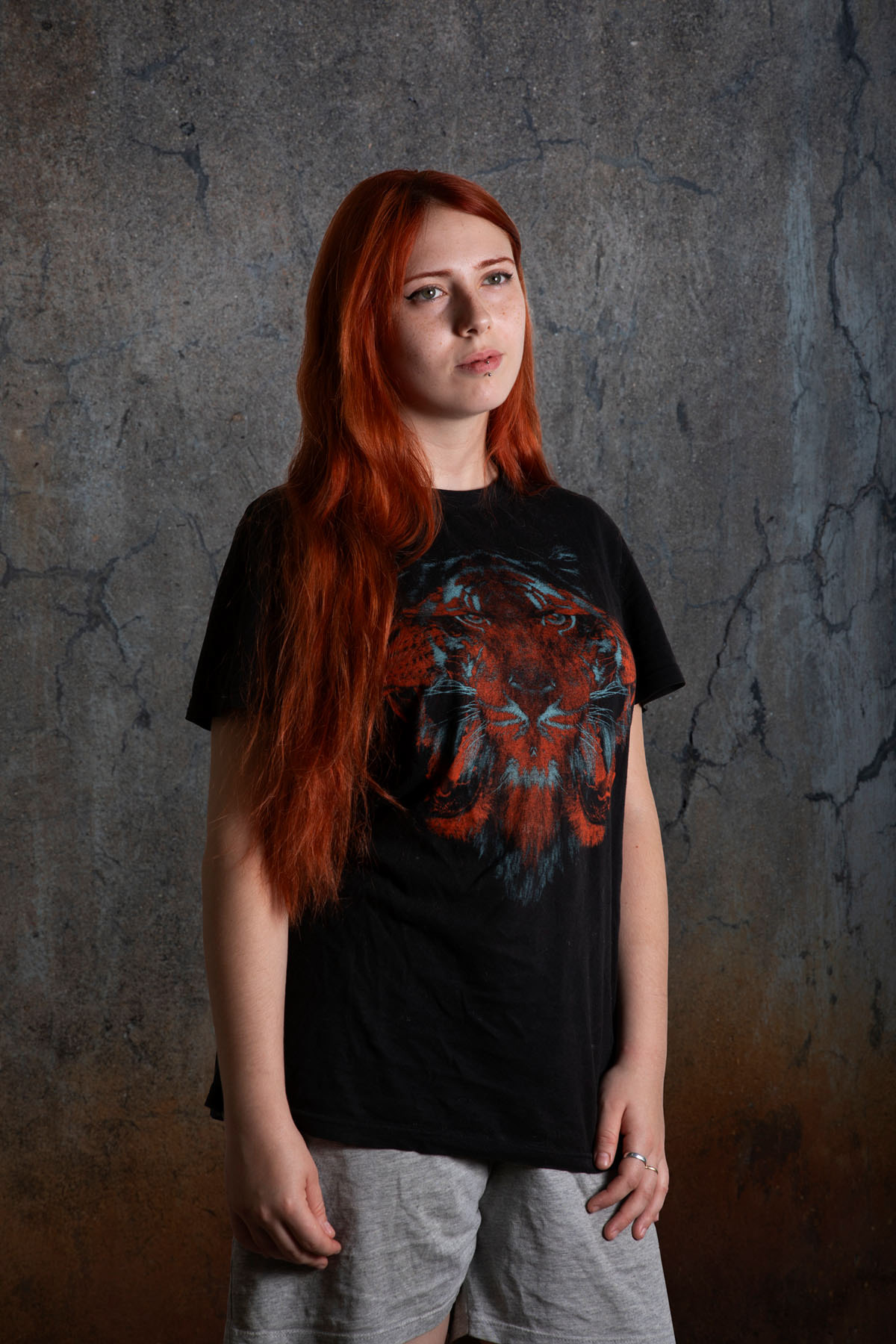
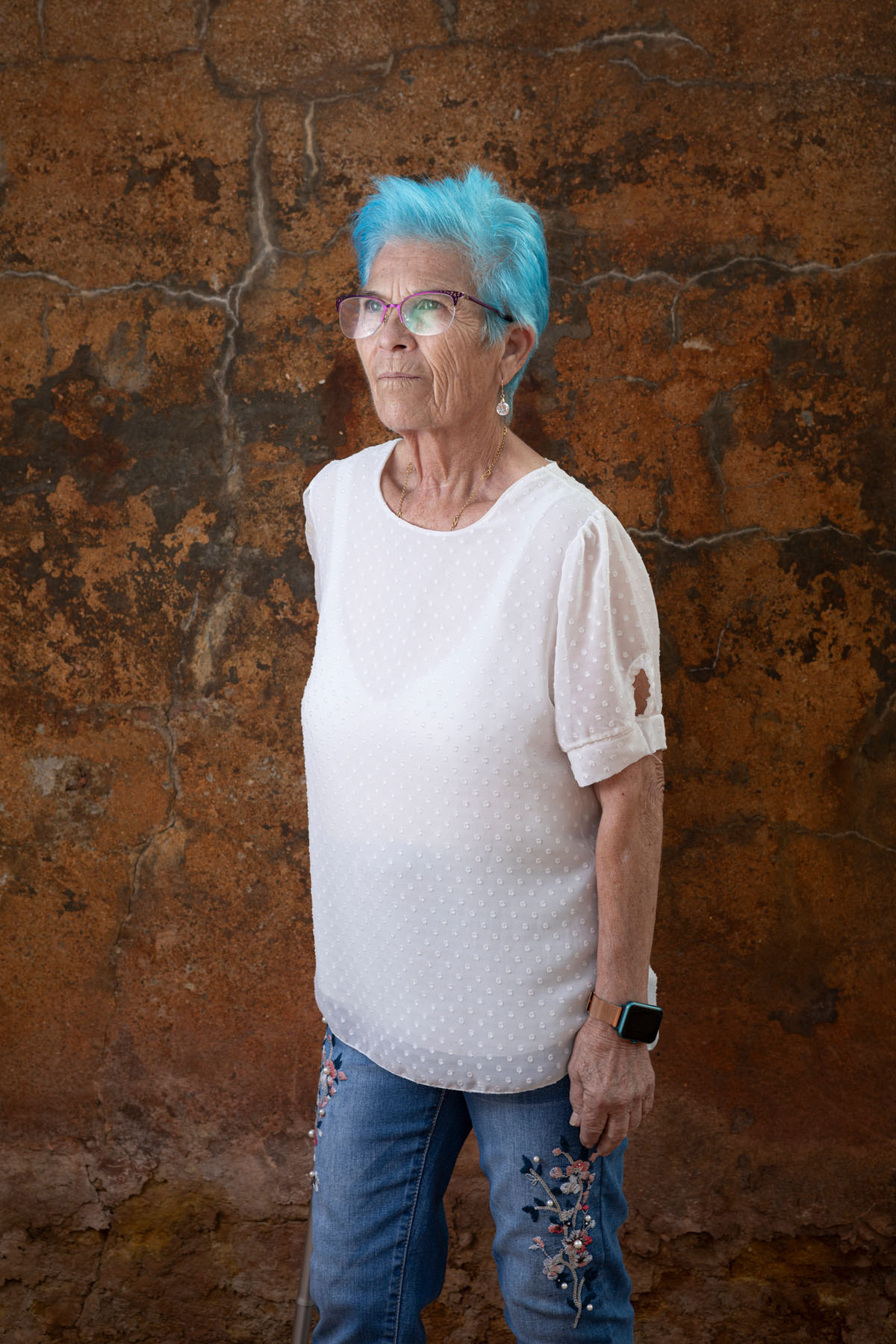
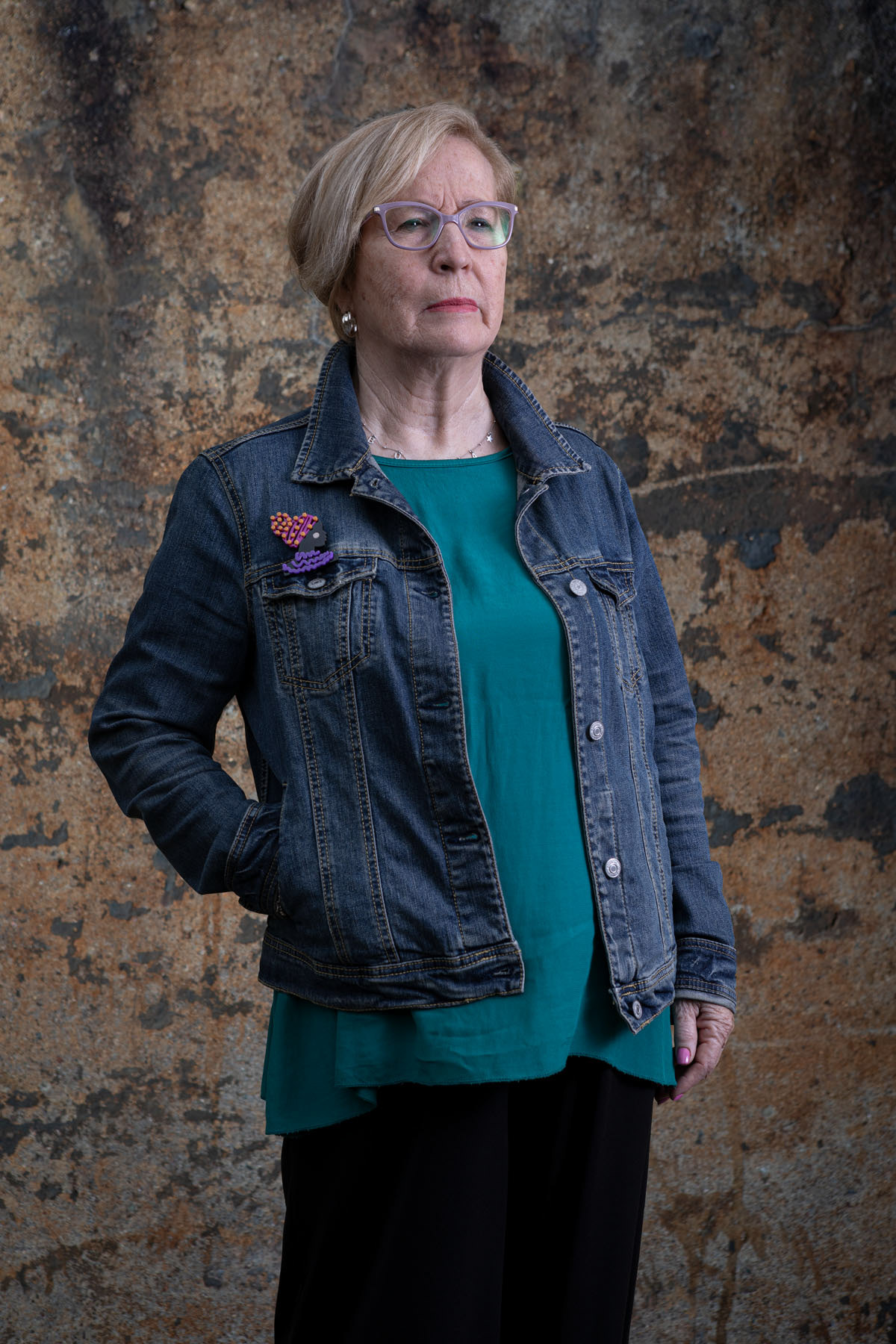
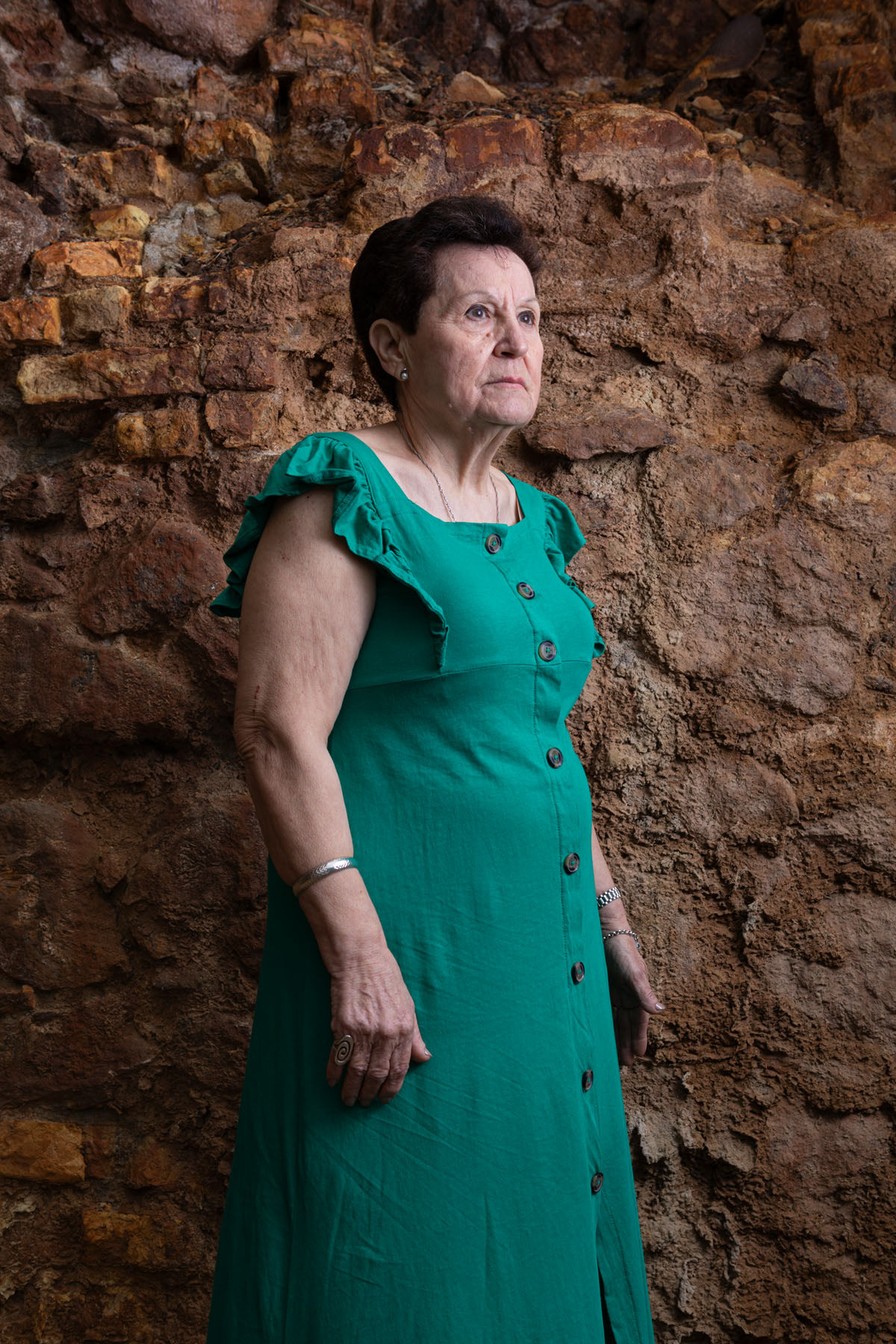
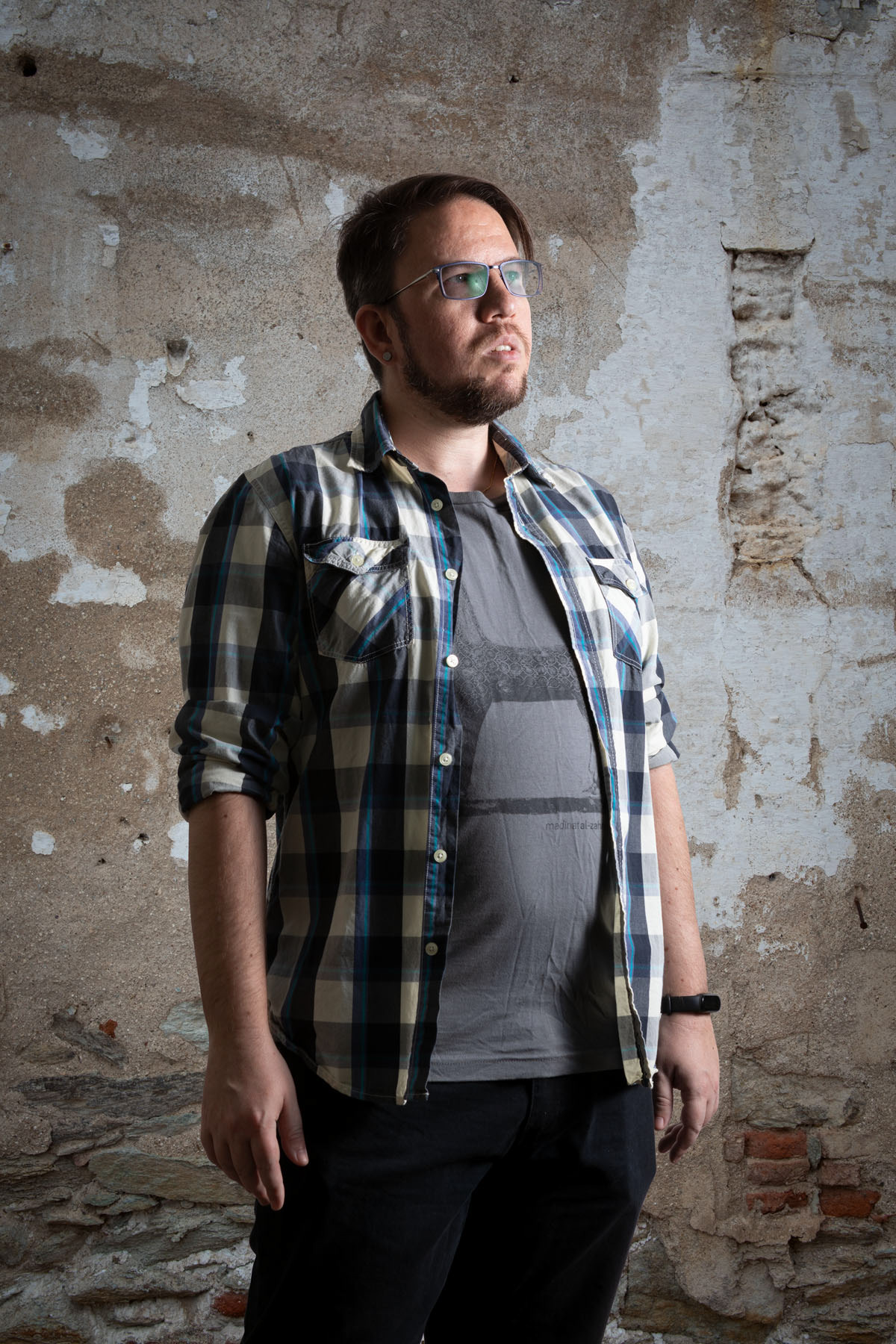
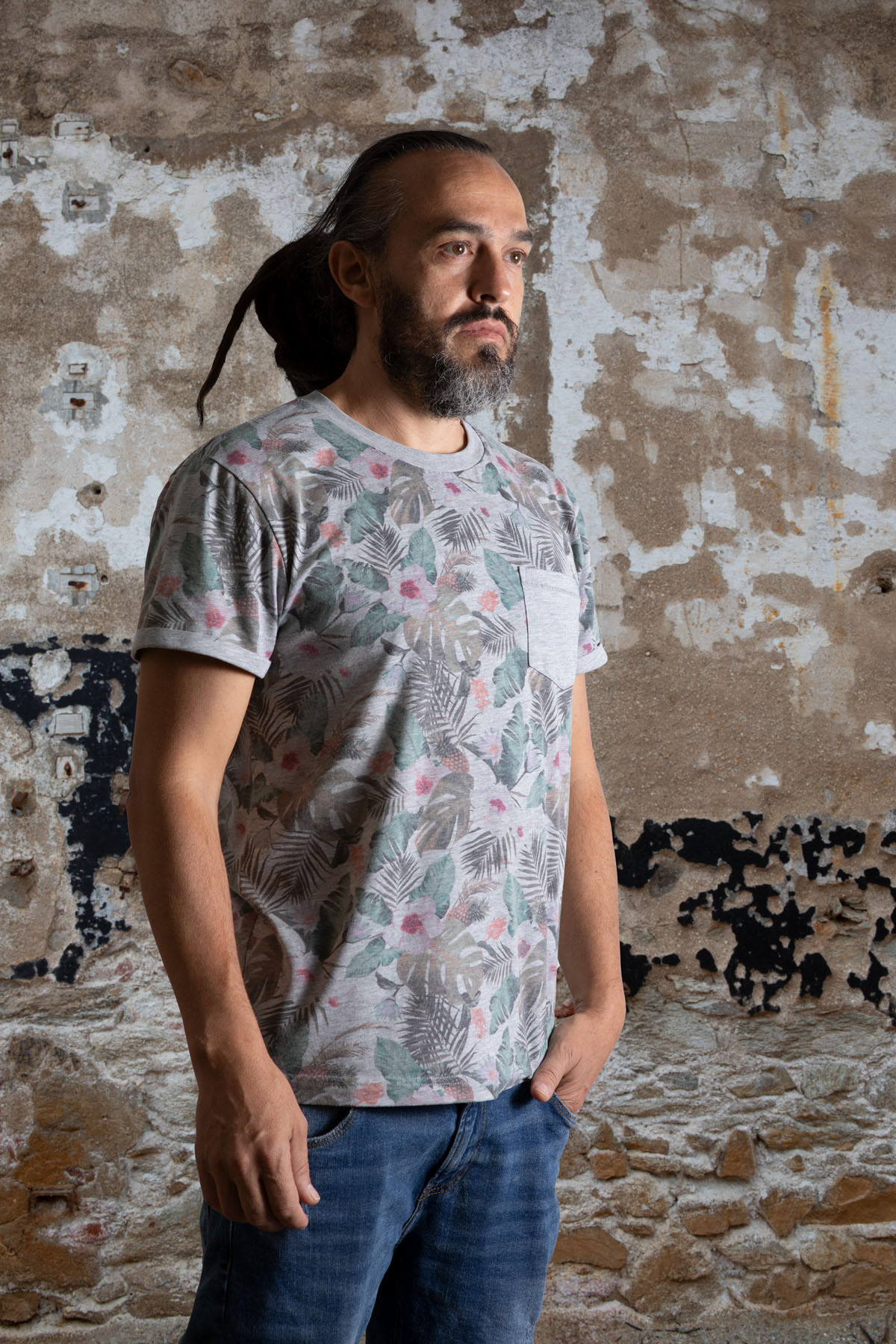
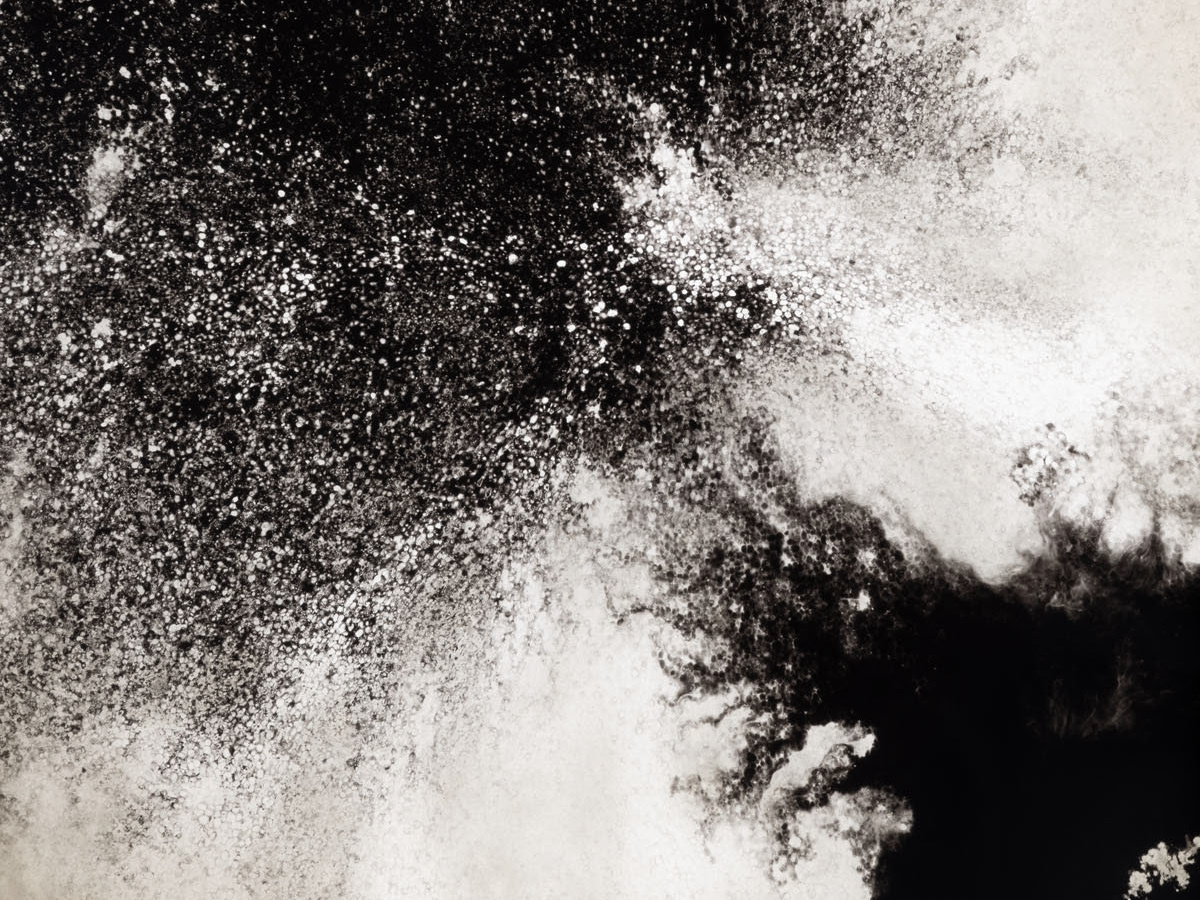
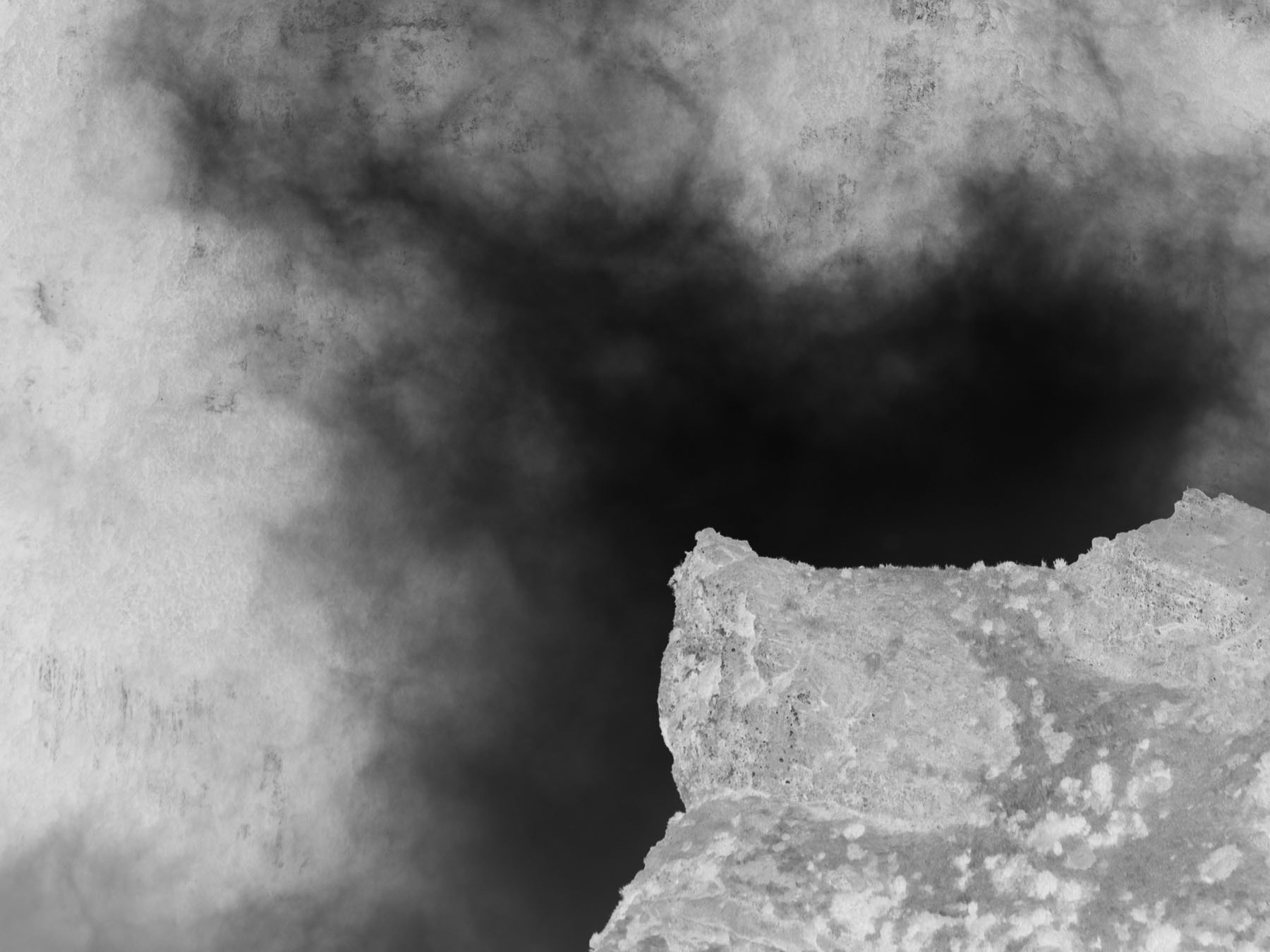
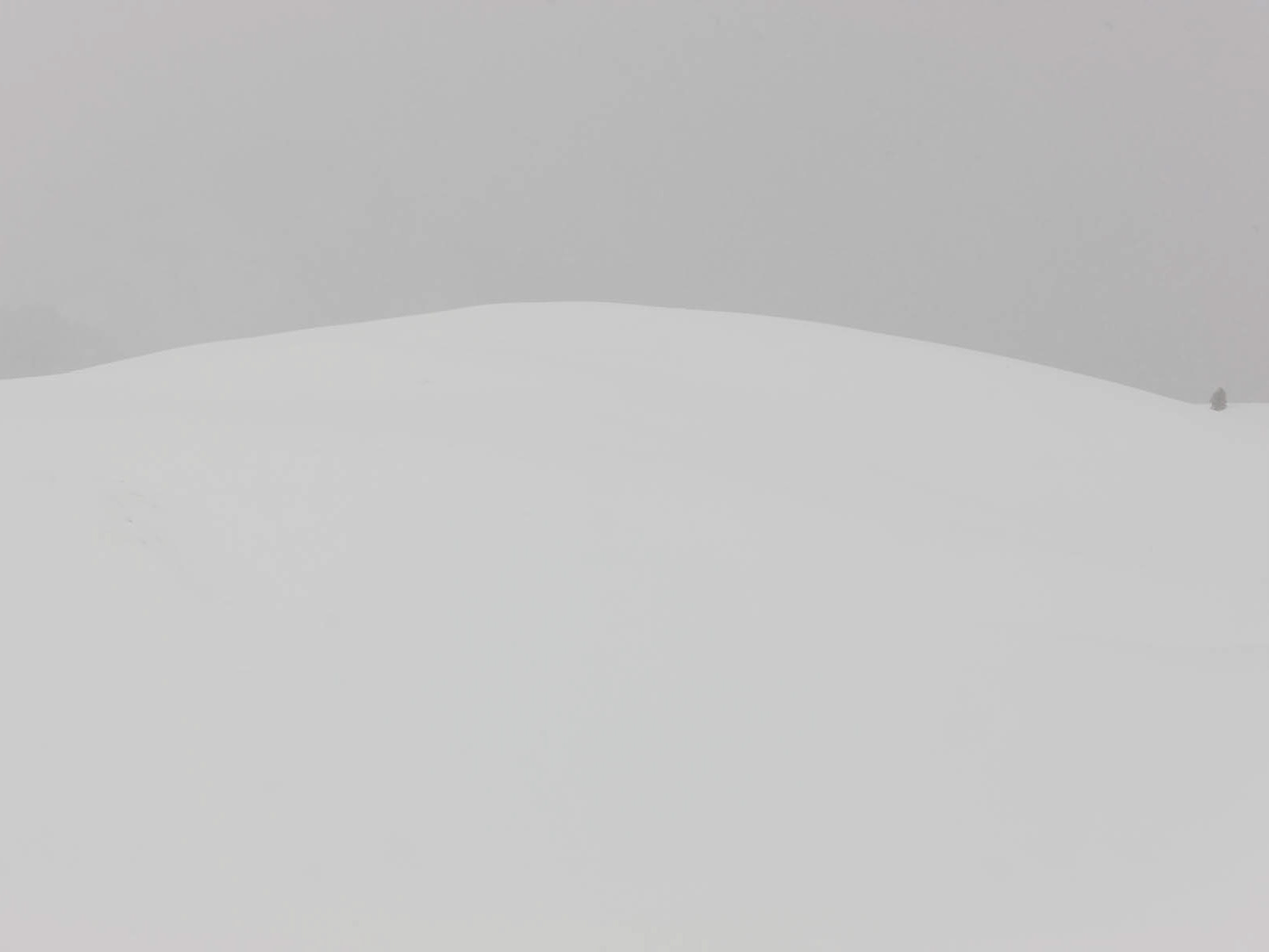
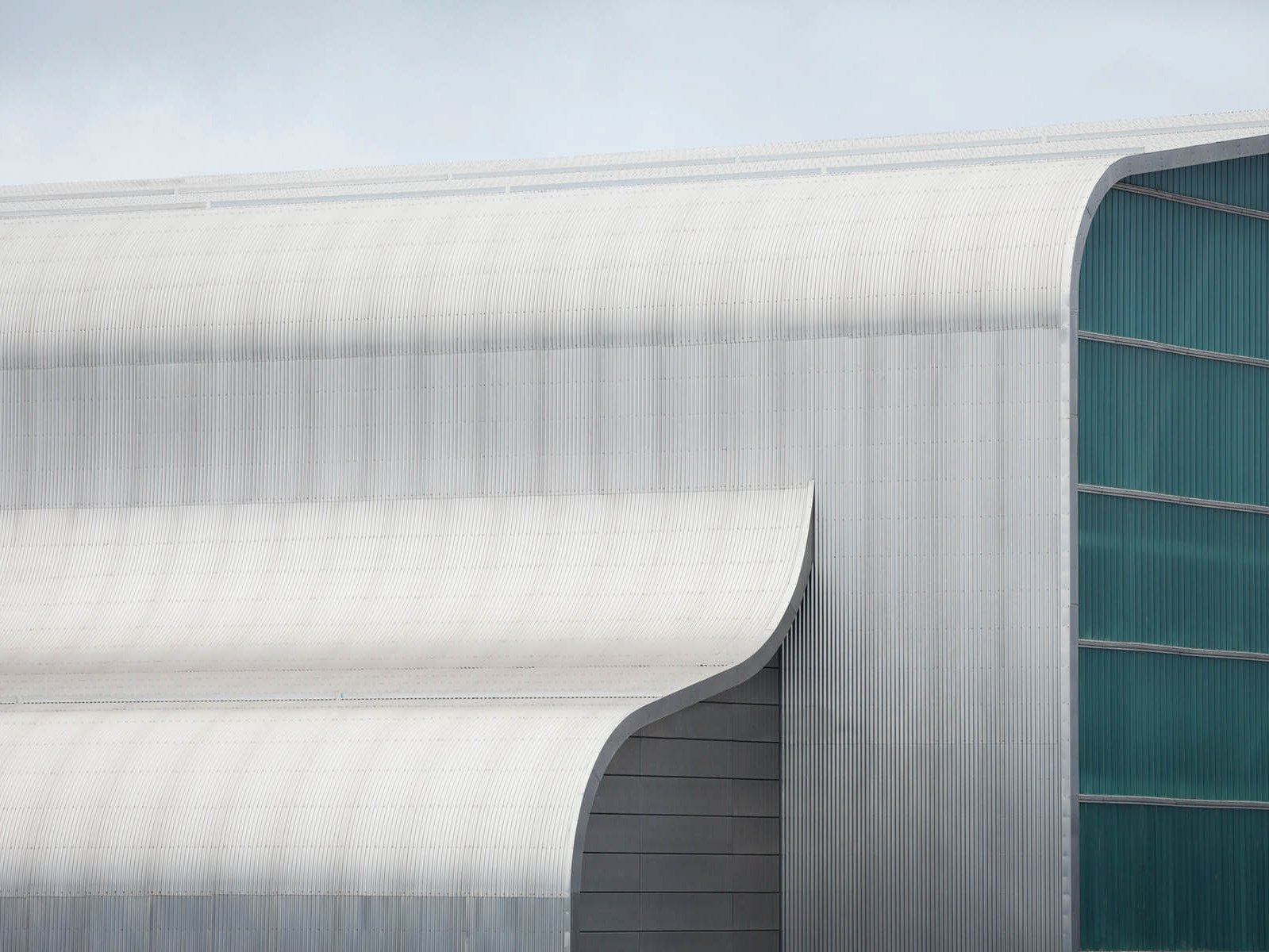
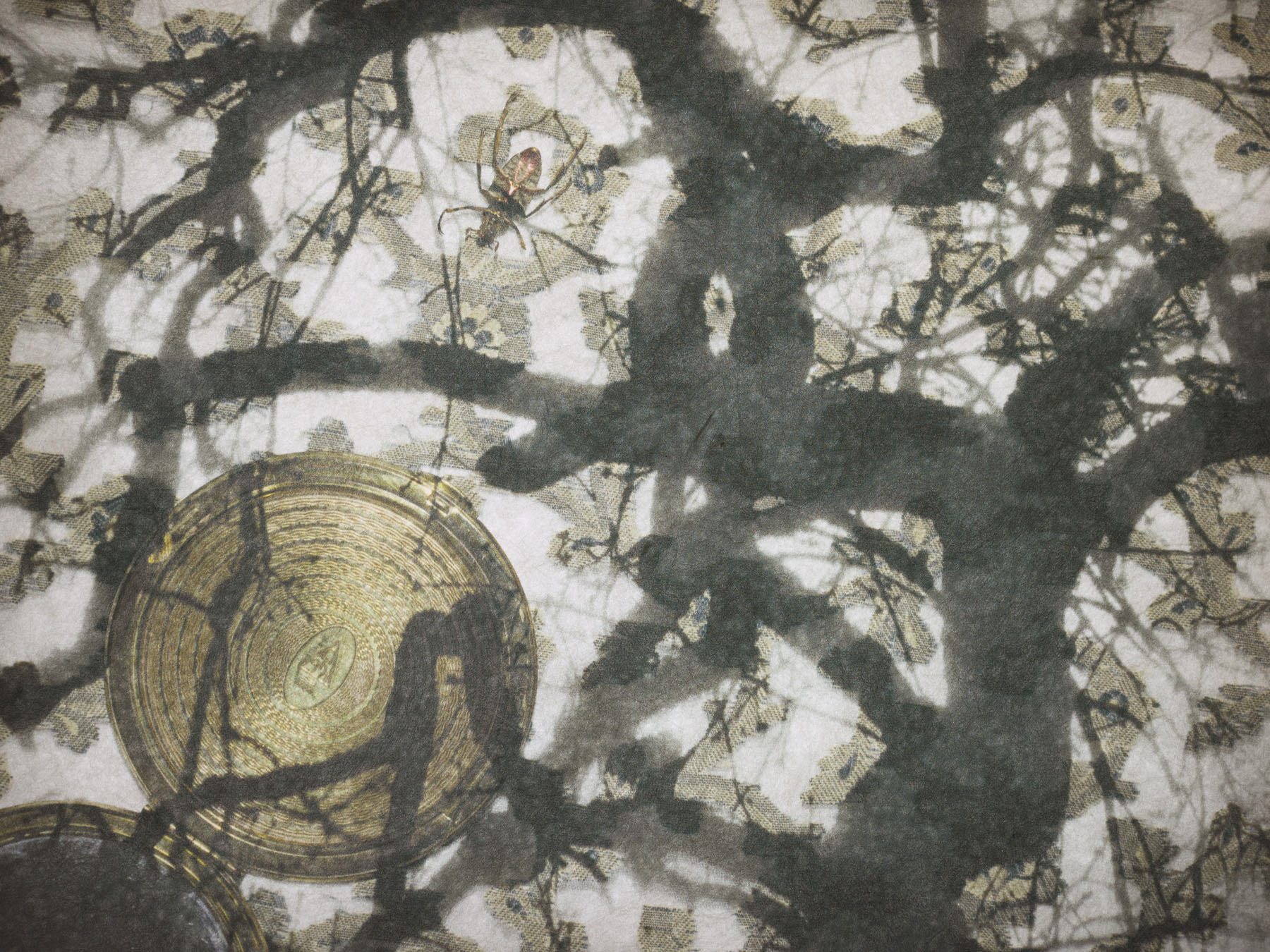
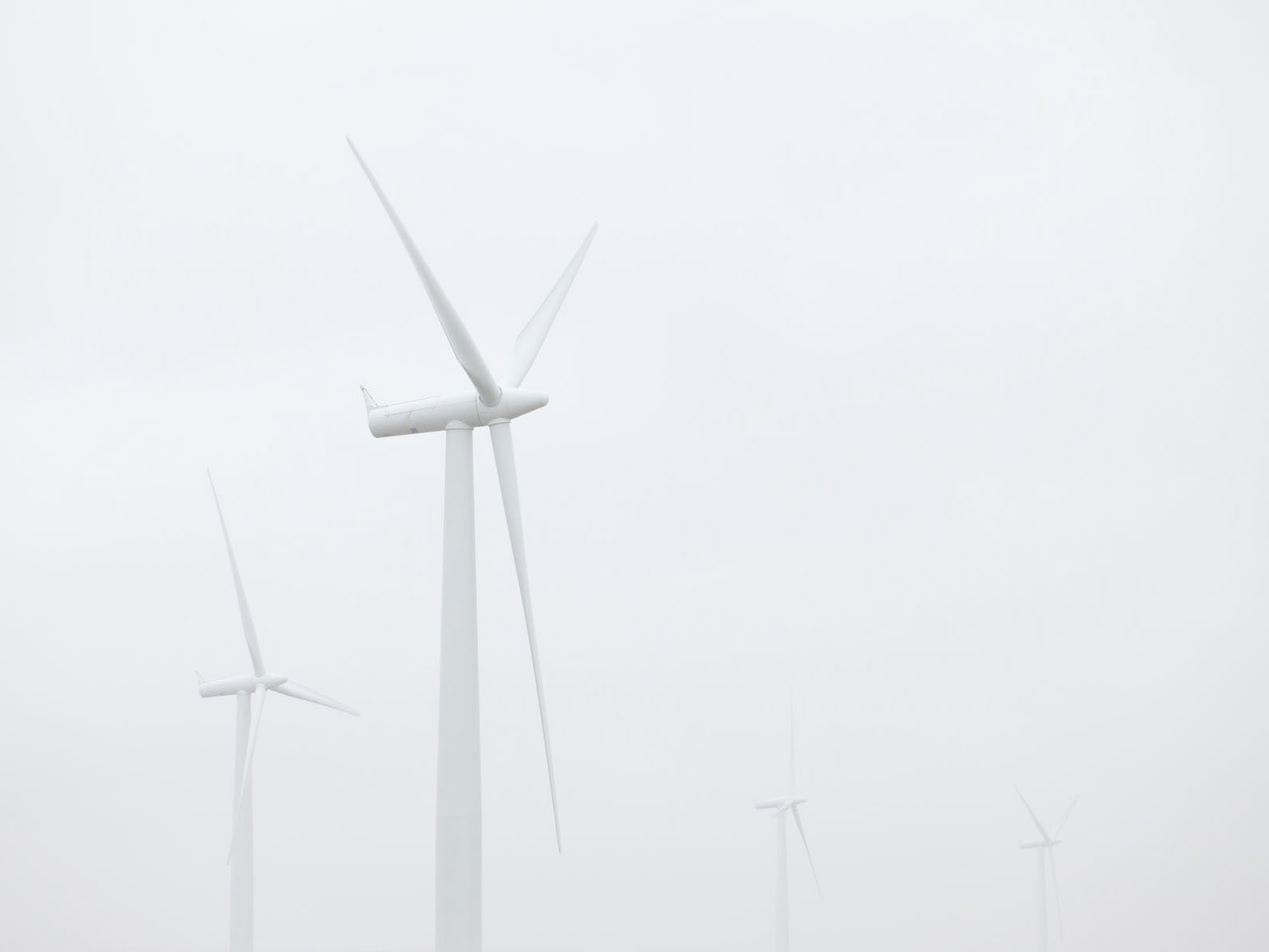
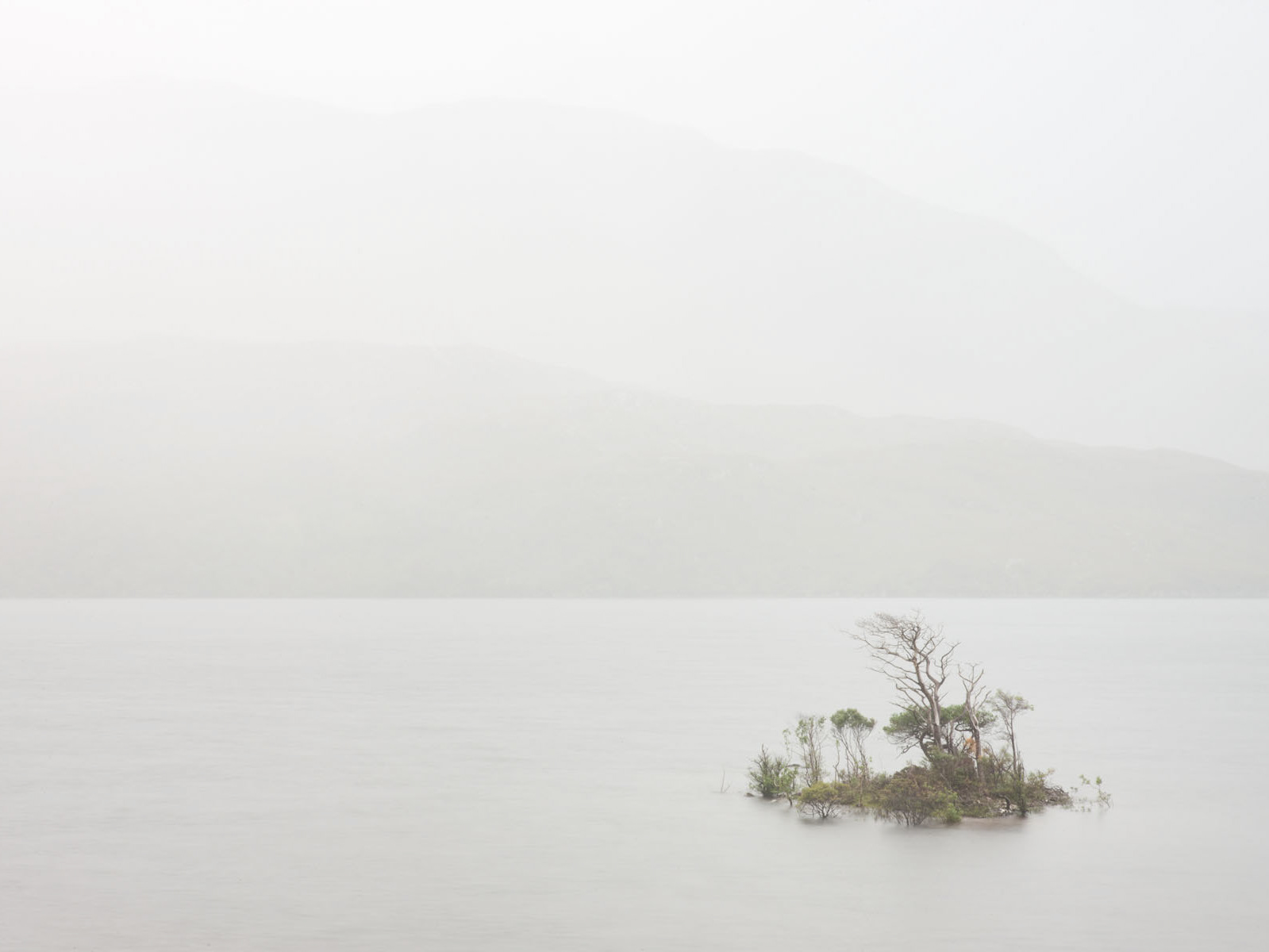
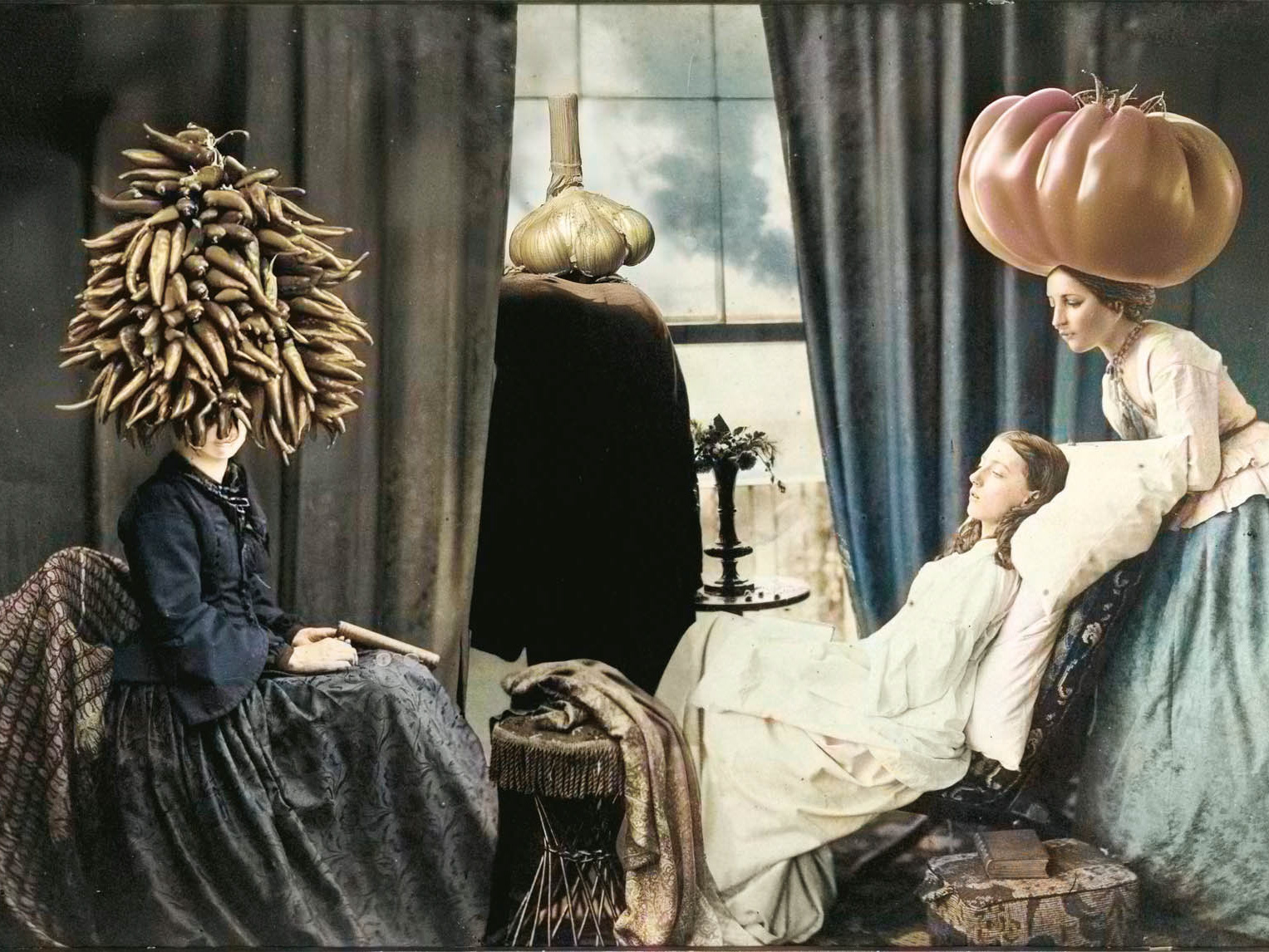
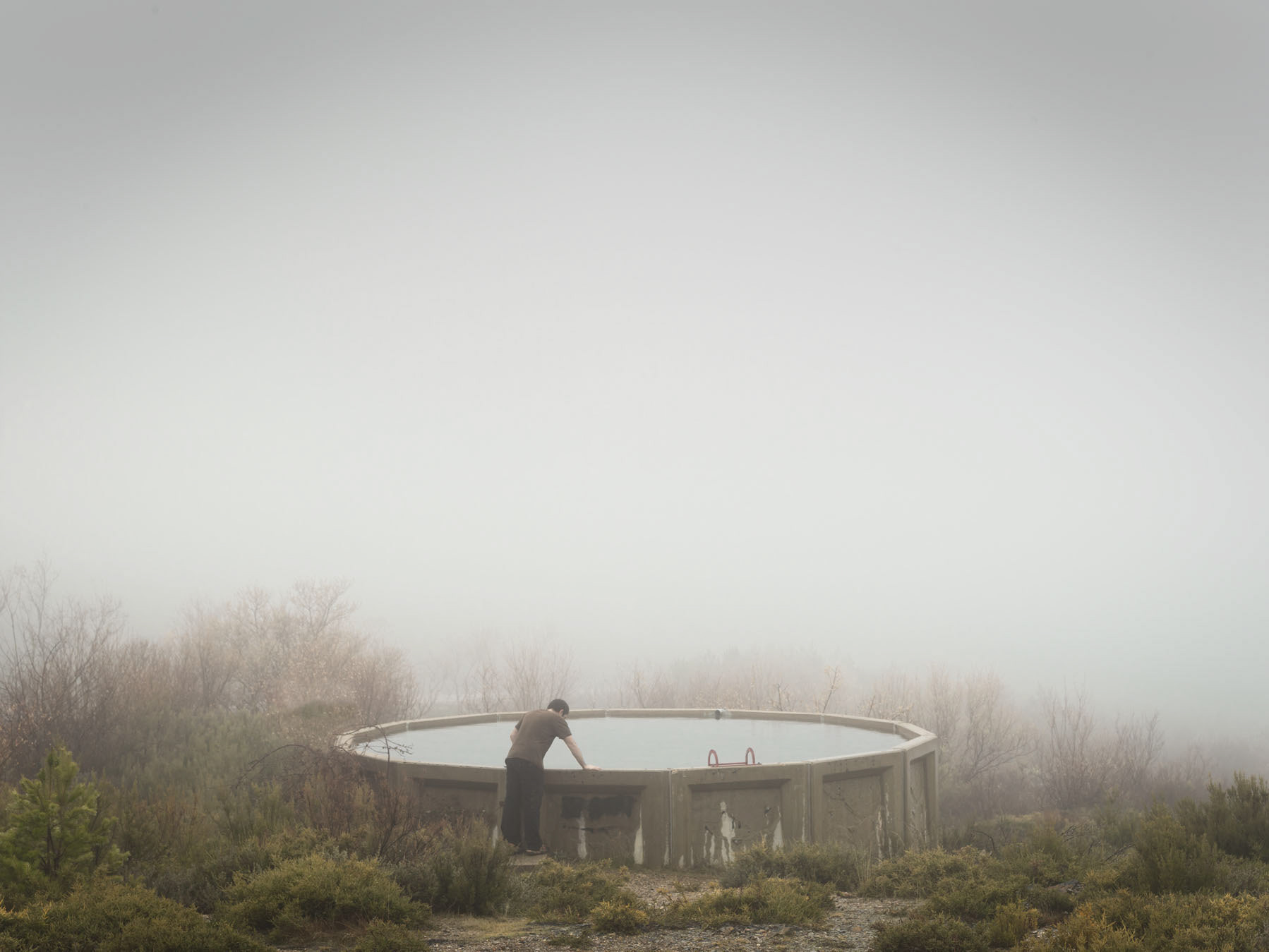
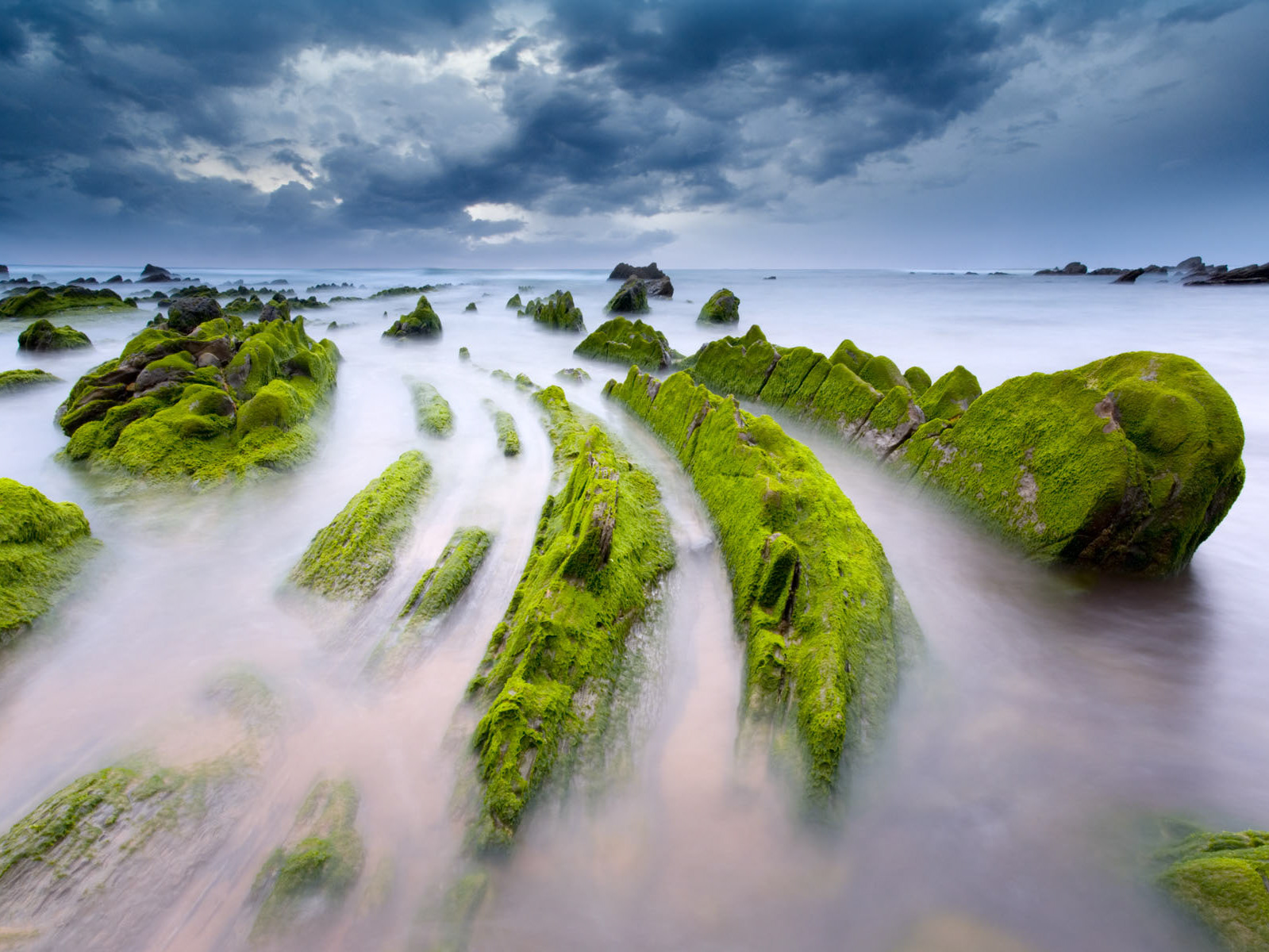
Sin embargo, la muerte de quienes los conocieron y el prolongado silencio familiar impidieron que estos fragmentos documentales hallados por mi padre pudieran convertirse en relato. La historia sobrevive como una suma de indicios, pero carece de una narrativa que los conecte y los represente. Ante la ausencia de imágenes —solo se conserva una fotografía de Manuel y ninguna de Ángel—, la creación visual se convierte en herramienta de evocación. A través de la intervención de fotografías actuales y de archivo mediante procesos digitales, el proyecto construye una narrativa visual posible que, sin pretender fidelidad documental, imagina lo que no puede mostrarse y da forma a lo que ya no puede ser contado.
Desde una perspectiva íntima y subjetiva, pero sustentada en una investigación rigurosa, este trabajo explora el pasado desde la posmemoria, entendida como el intento de las generaciones posteriores de conectar con su herencia silenciada. La obra propone una reflexión sobre los modos de transmisión de la historia familiar en contextos de trauma colectivo, y sobre cómo el arte puede activar lo que los documentos no alcanzan a narrar. Este diálogo entre historia y creación busca reparar simbólicamente una pérdida, activar una memoria relegada y ofrecer un relato posible donde ya no quedan voces capaces de hacerlo.
The Possible Memory, 2025
In 2015, my father accidentally discovered the existence of a previously unknown great-uncle, Manuel Vázquez Getrero, executed in 1936 during the Spanish Civil War, as well as that of his son Ángel, who disappeared around the same time under still-unexplained circumstances. This discovery revealed a branch of the family that had been concealed due to the climate of repression of the period, and it marked the beginning of a painstaking, long-term investigation. Over the course of this research, my father managed to gather a collection of official documents —birth, marriage, employment and political records, along with records of arrests— which make it possible to trace certain milestones in their lives. He also succeeded in locating Manuel’s direct descendants, who have contributed to the ongoing process of genetic identification of the bodies found in a mass grave in Nerva (Huelva), the mining town where they lived, a place marked by oppression but also by tenacious resistance.
However, the death of those who had known them and the long silence within the family prevented these documentary fragments unearthed by my father from coalescing into a story. What remains is a sum of clues rather than a connected narrative. In the absence of images —only one photograph of Manuel survives, and none of Ángel—, visual creation becomes a means of evocation. Through the intervention of contemporary and archival photographs by means of digital processes, the project constructs a possible visual narrative that, without aspiring to documentary fidelity, imagines what cannot be shown and gives form to what can no longer be told.
From an intimate and subjective perspective, yet grounded in rigorous research, this work explores the past through the lens of postmemory, understood as the attempt of subsequent generations to connect with their silenced inheritance. The piece reflects on how family history is transmitted in contexts of collective trauma, and on how art can bring to life what documents alone cannot convey. This dialogue between history and creation seeks to symbolically repair a loss, to reawaken a relegated memory, and to offer a possible story where no living voices remain to tell it.