2026
En 2023, 58 mujeres fueron asesinadas en España por violencia machista, la cifra más elevada de los últimos diez años. Lejos de tratarse de episodios aislados, estos crímenes forman parte de una violencia sostenida en el tiempo: desde 2003, 1.245 mujeres han sido asesinadas, evidenciando la persistencia de una estructura que continúa operando.
Ese mismo año, 36.582 mujeres fueron reconocidas como víctimas en procesos judiciales y se registraron 199.166 denuncias. Estas cifras sitúan los feminicidios dentro de un marco mucho más amplio de violencia cotidiana, donde conviven la amenaza, el control y la agresión. Muchas de las mujeres asesinadas habían denunciado previamente, contaban con medidas de protección o mantenían una relación directa con su agresor, lo que pone en evidencia las fisuras de los sistemas de protección.
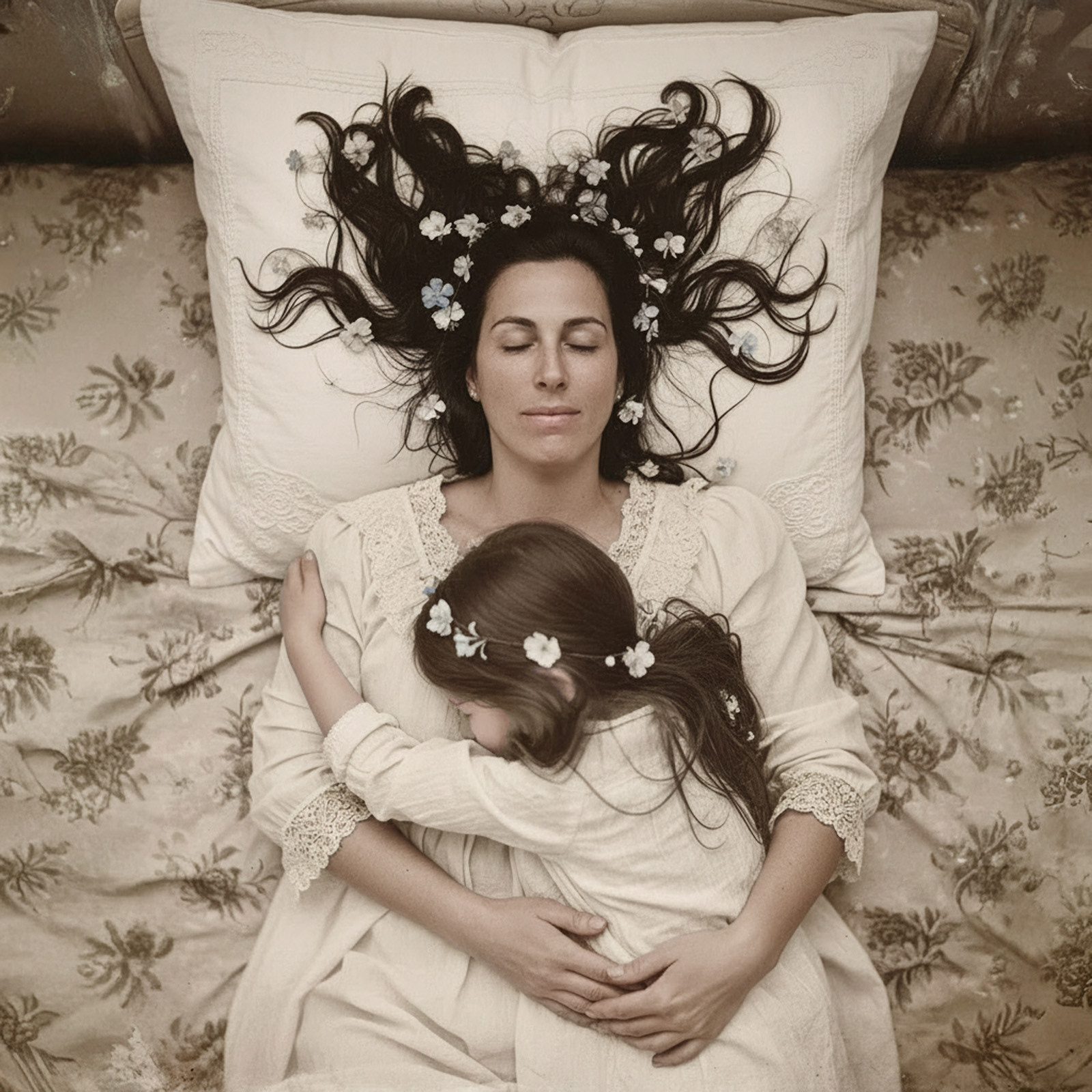
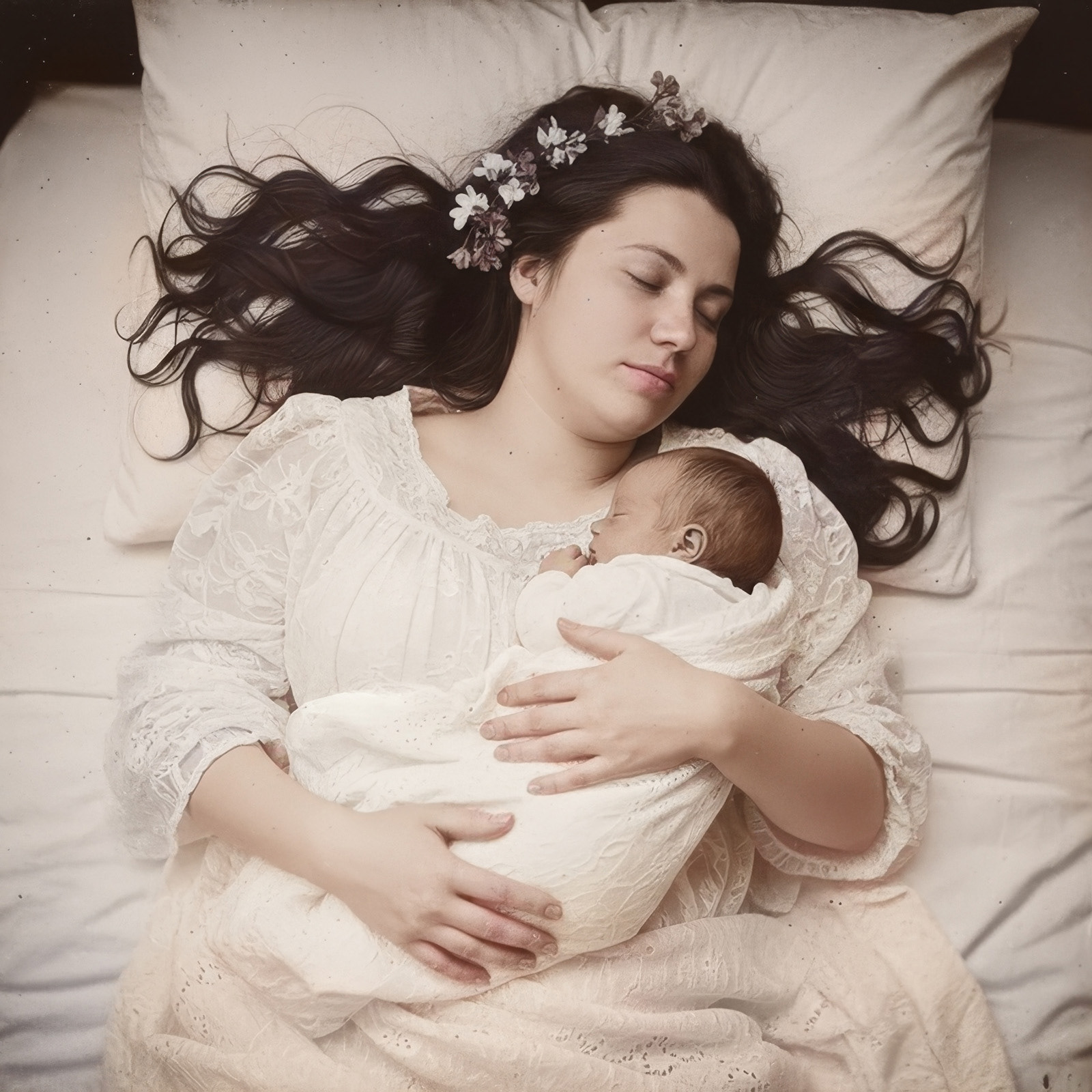
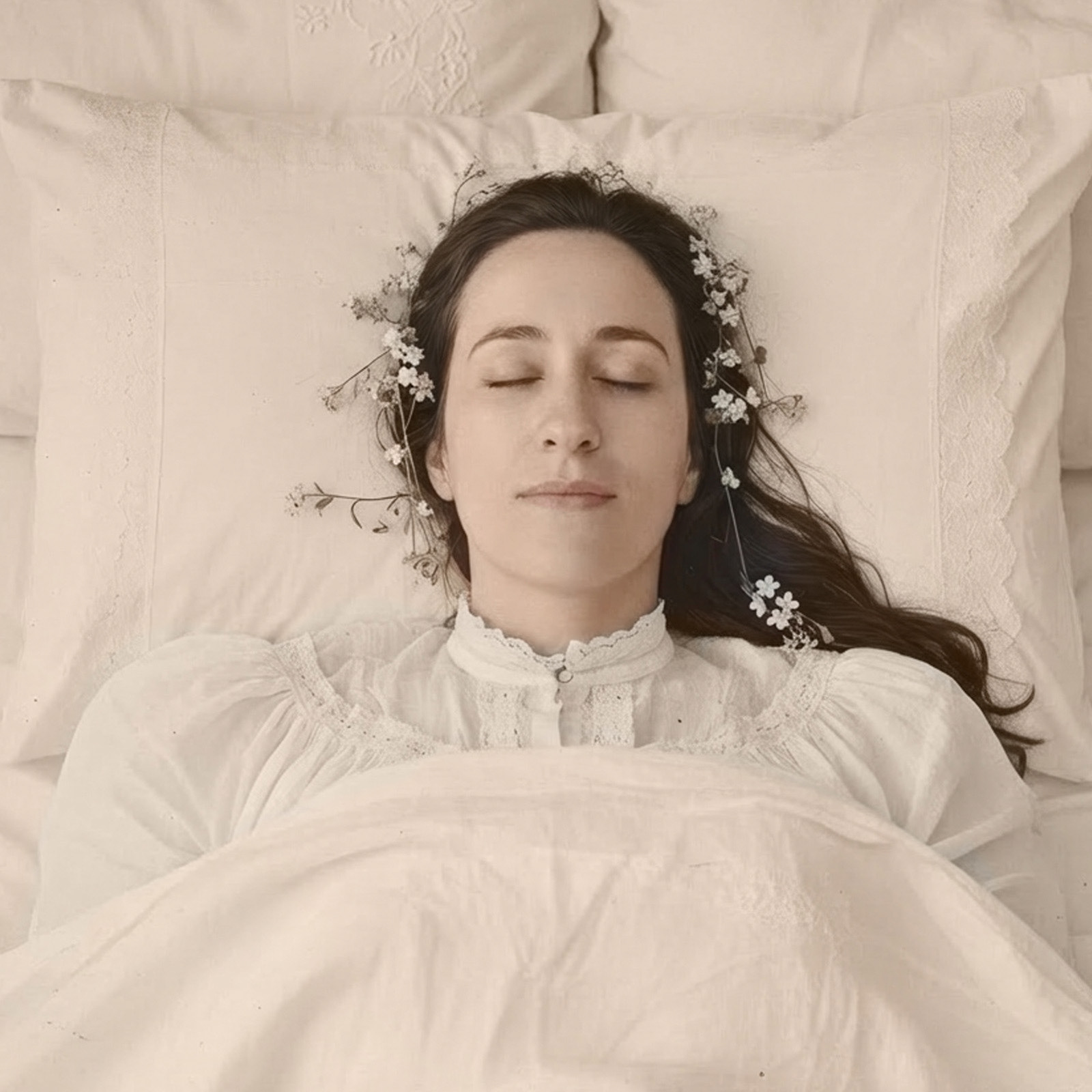
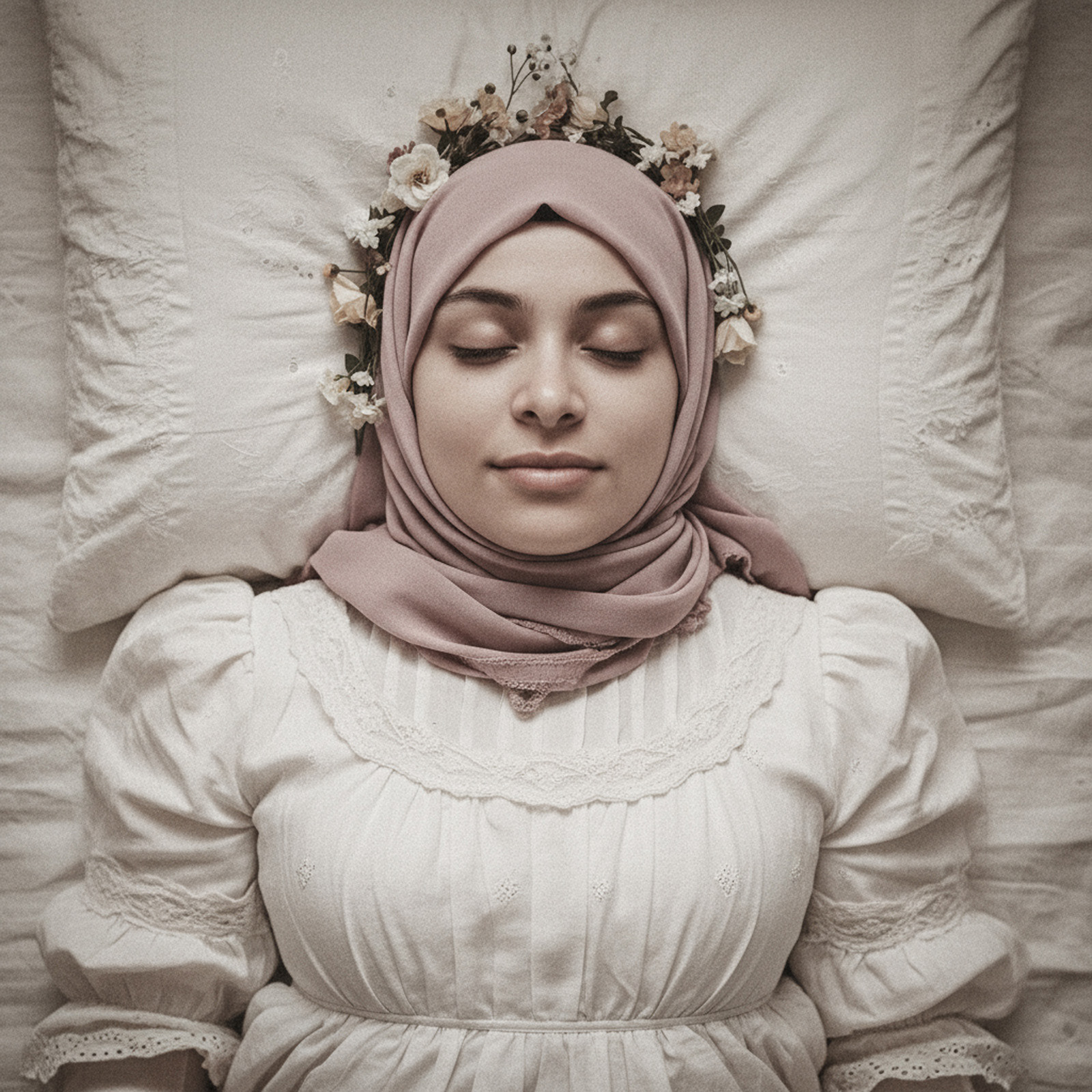
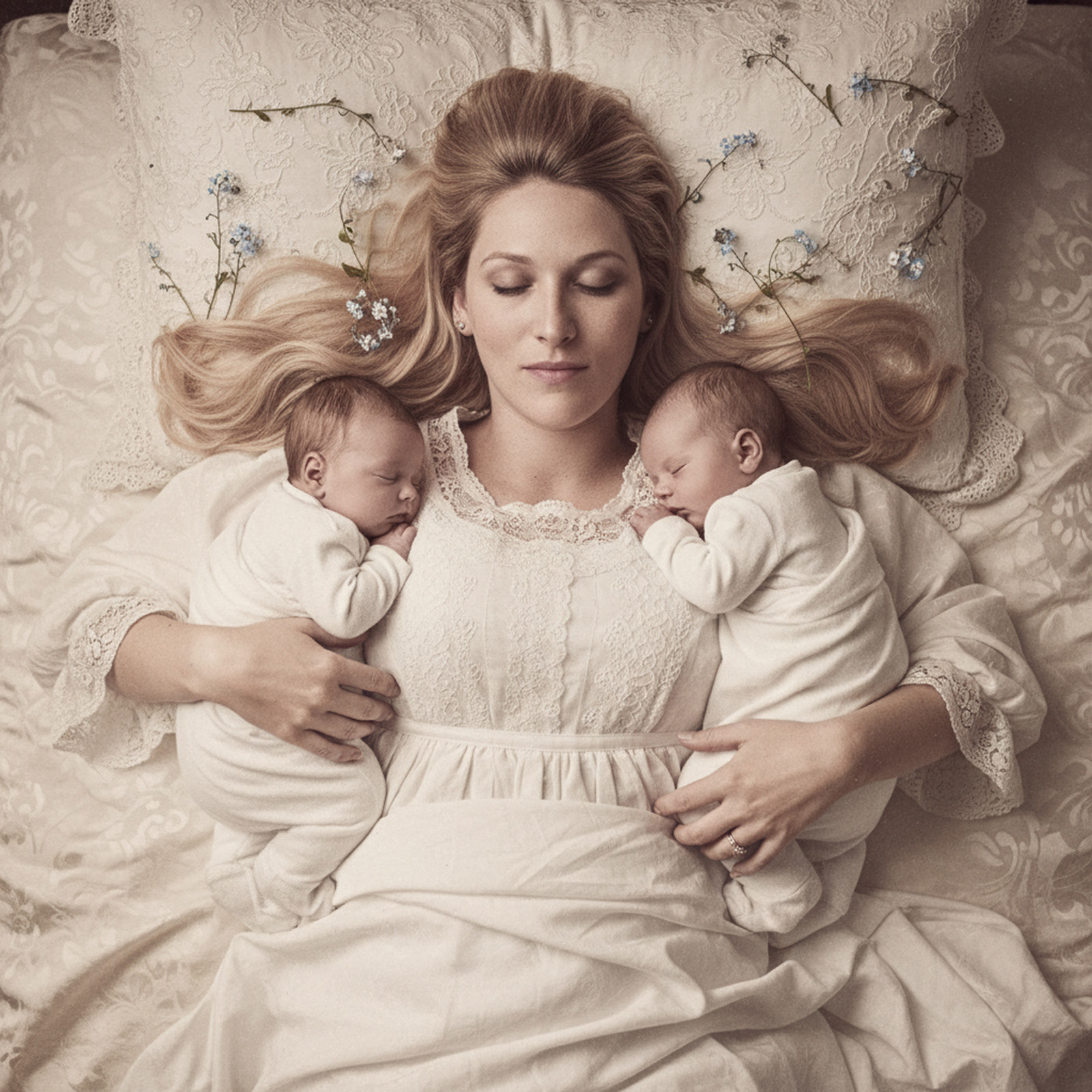
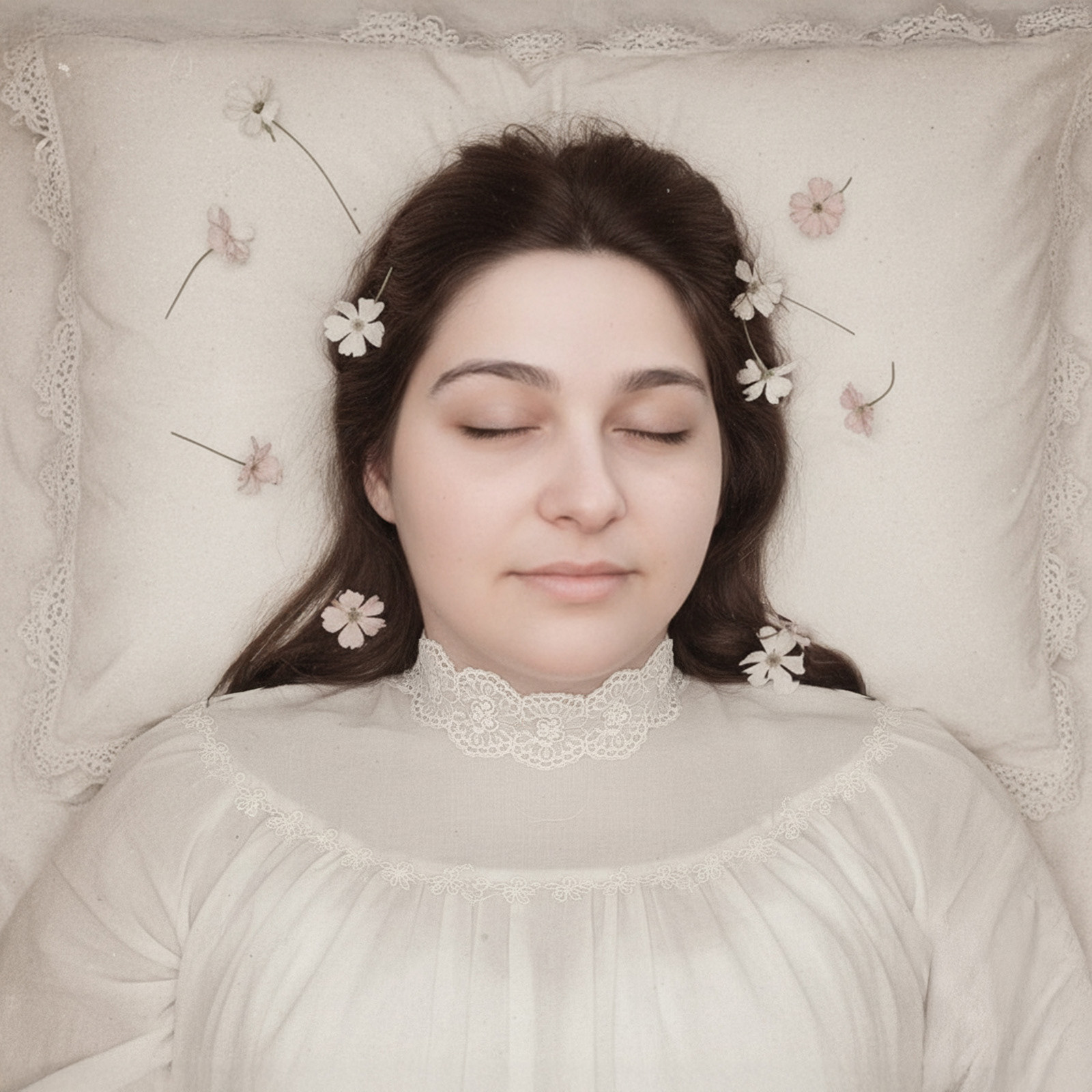
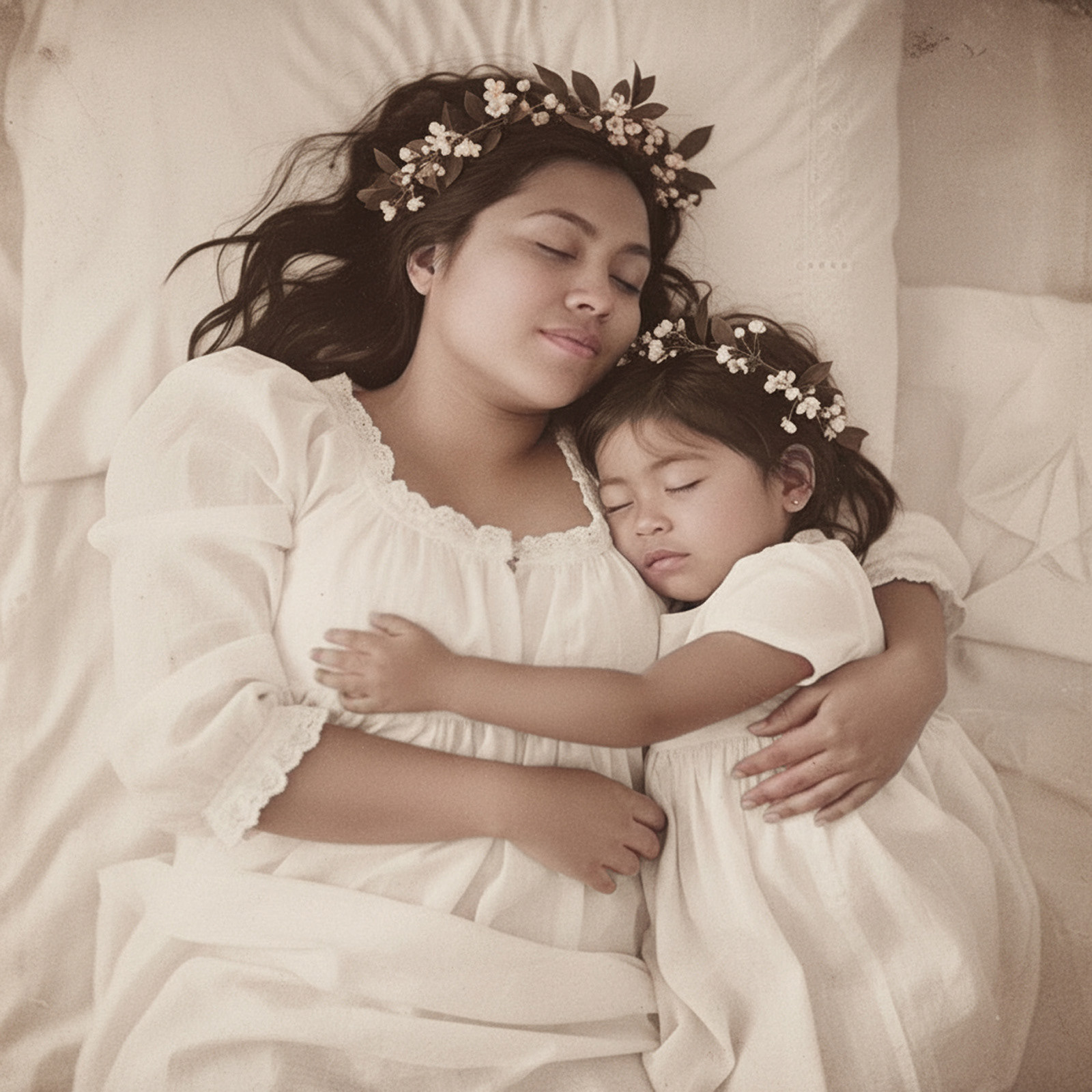
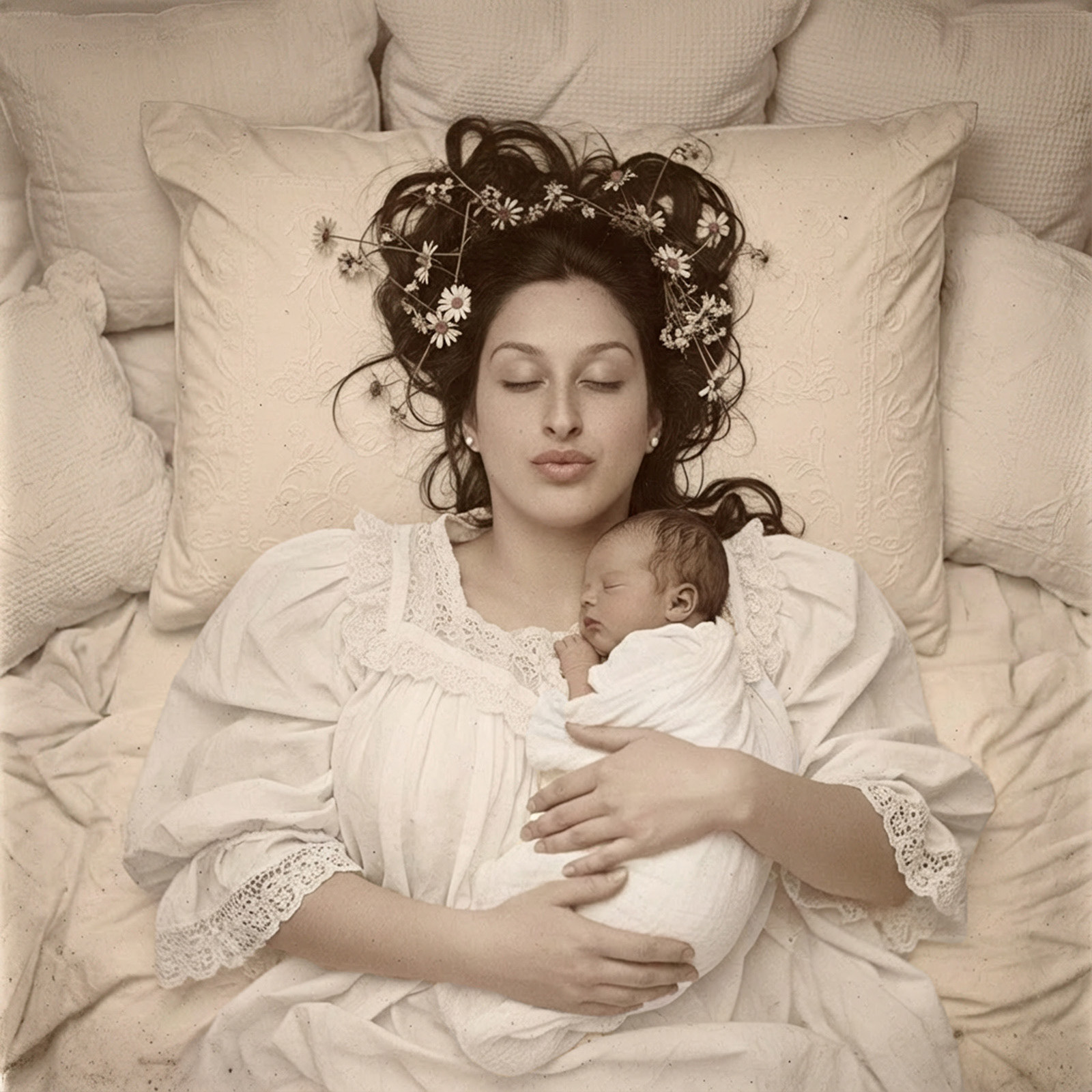
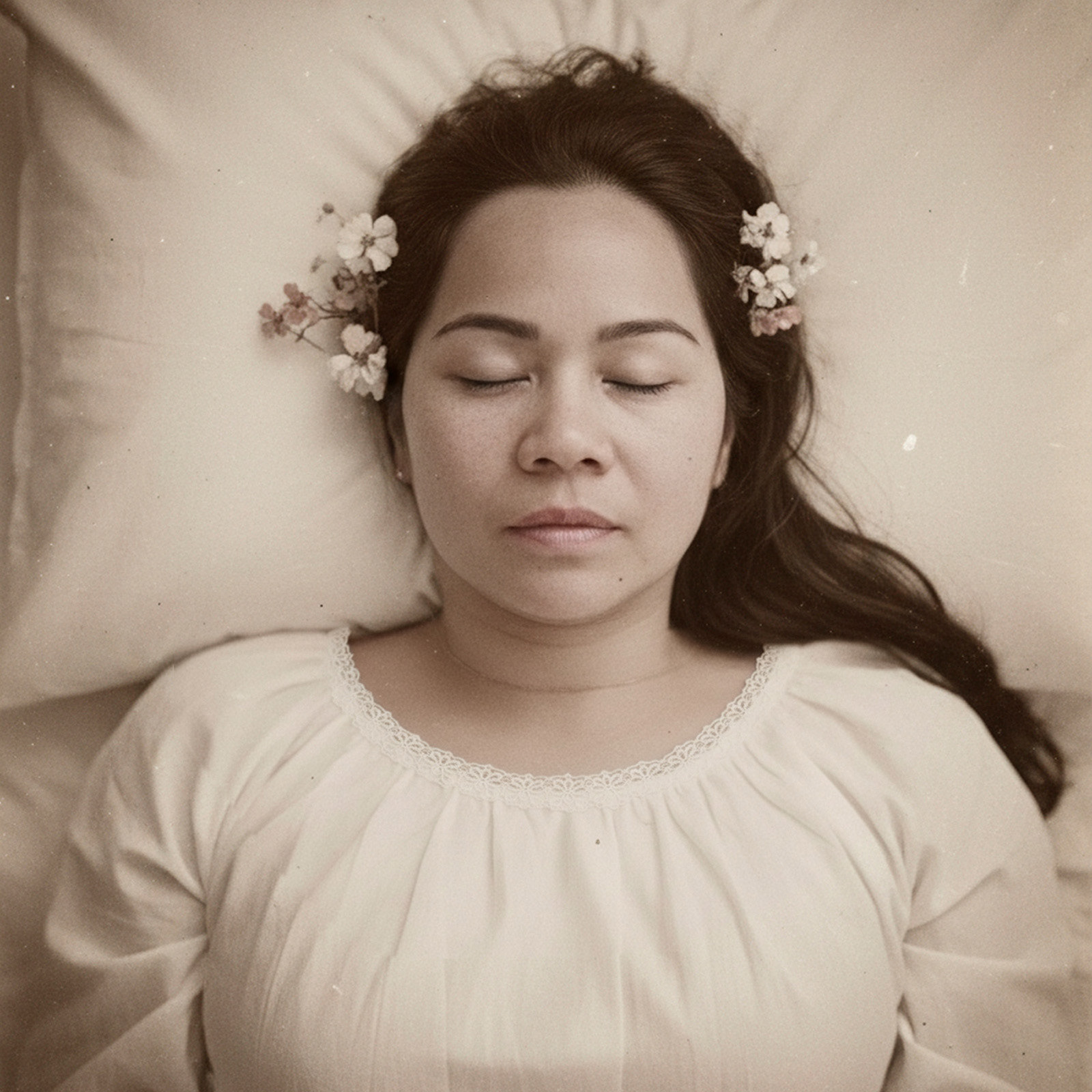
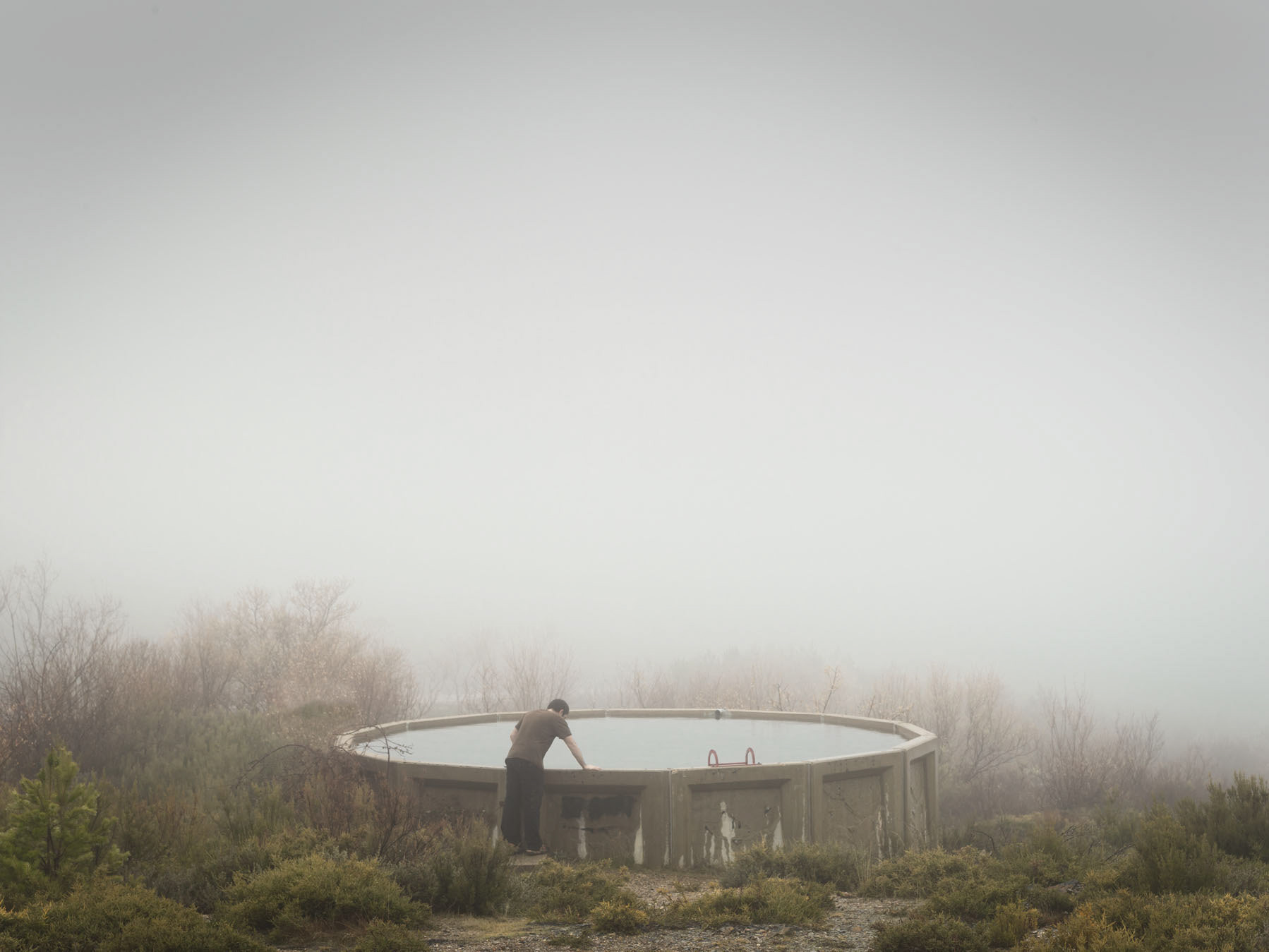
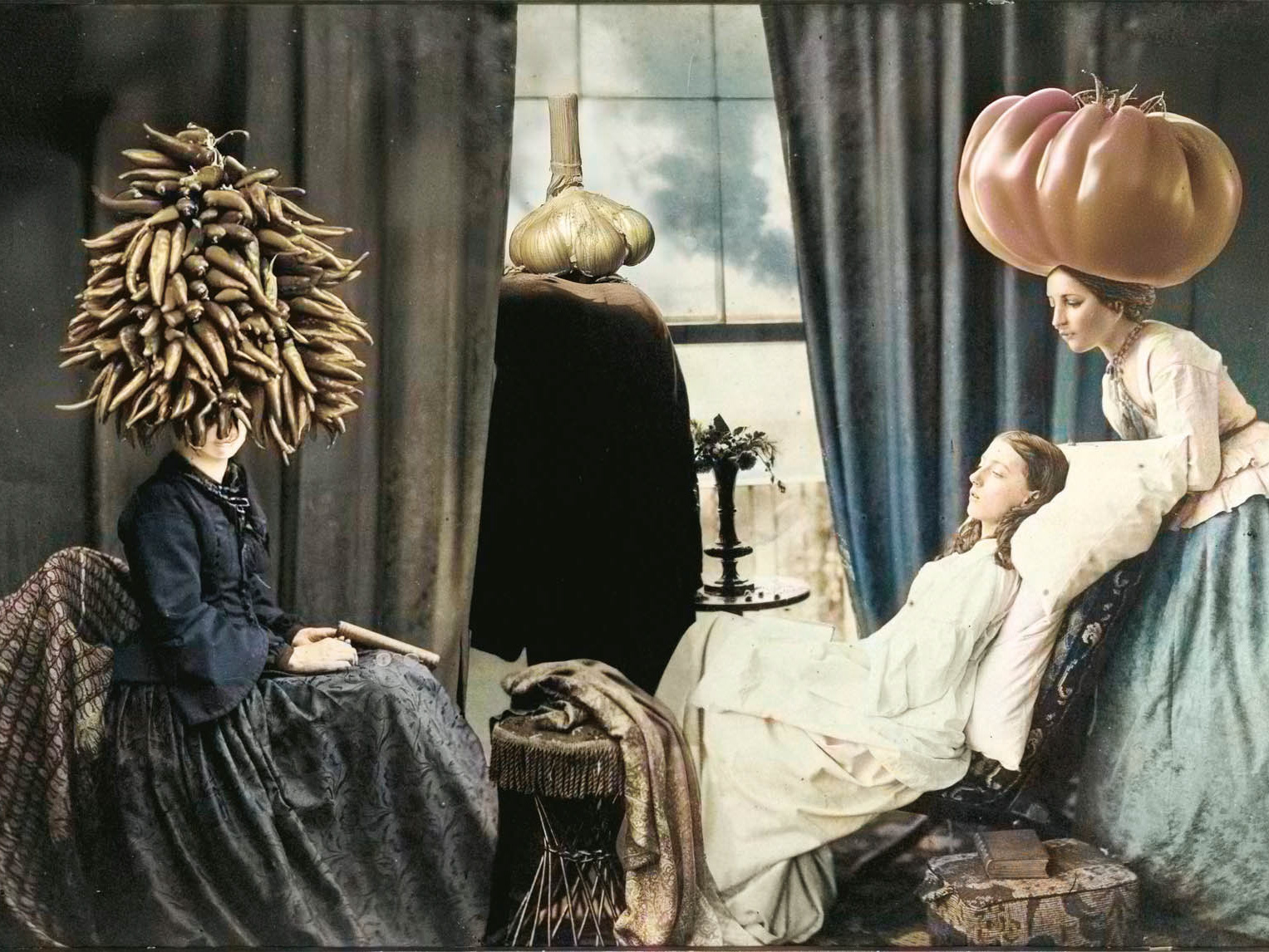
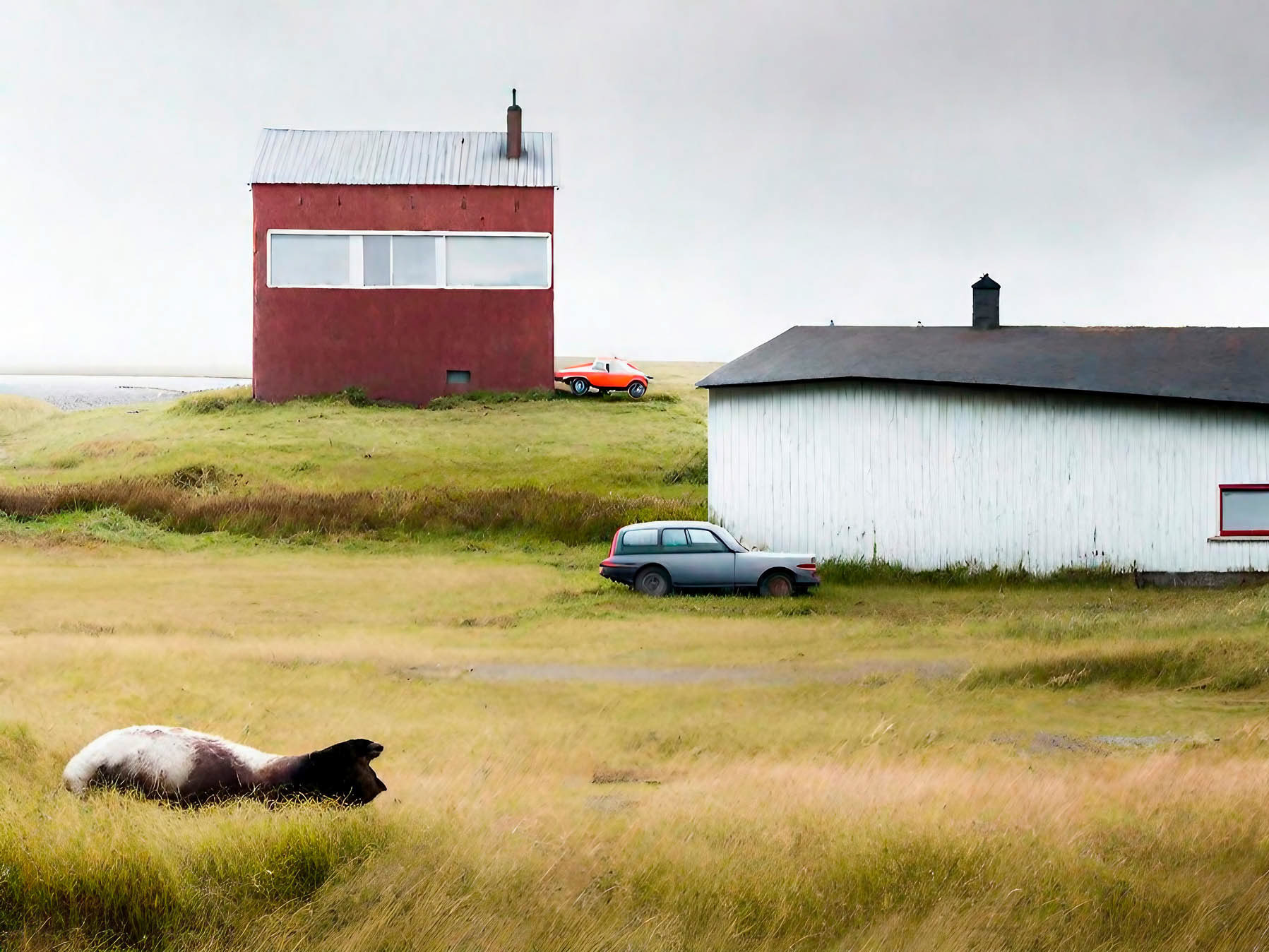
“23” toma ese año como punto de partida para construir un espacio de memoria. El proyecto se articula a través de imágenes sintéticas generadas a partir de fotografías reales, que no buscan representar a las víctimas de manera literal, sino ofrecer una presencia simbólica: cuerpos en reposo, alejados del daño, suspendidos en una calma que no tuvieron.
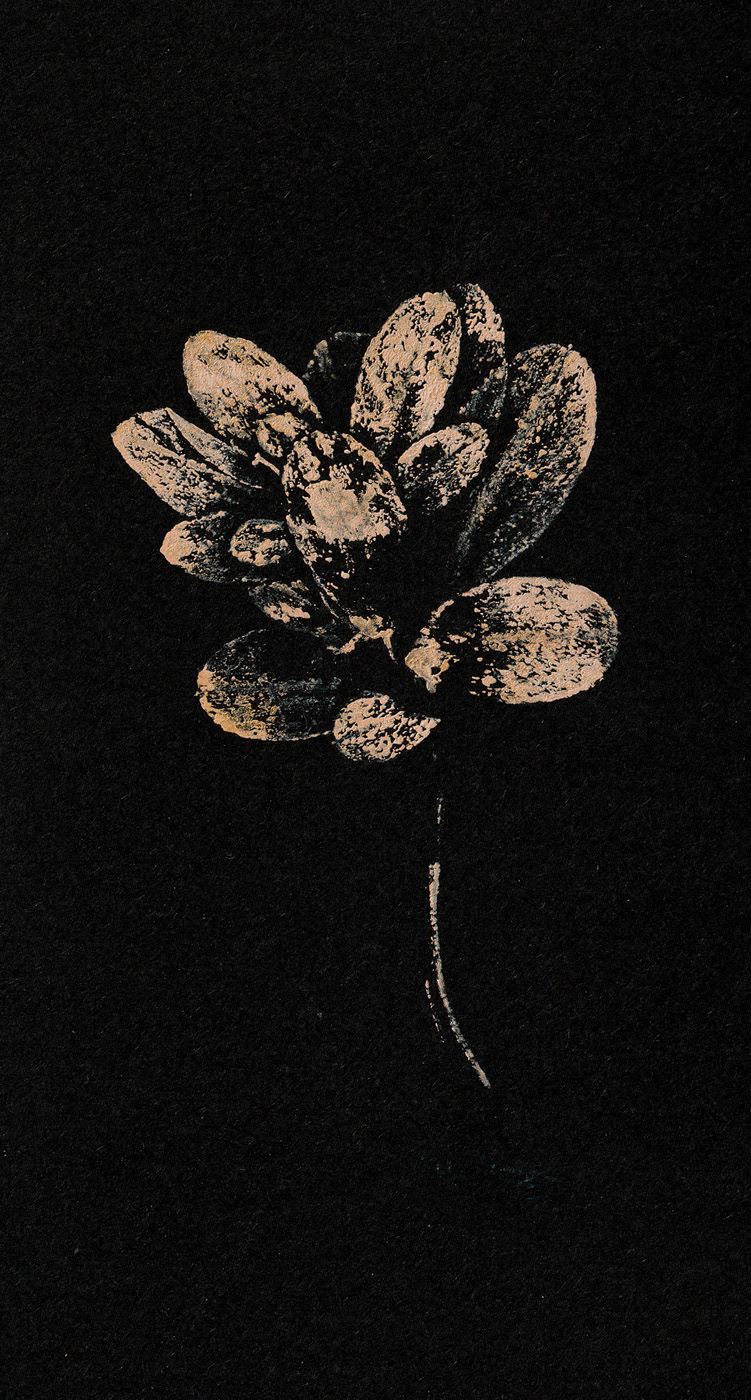
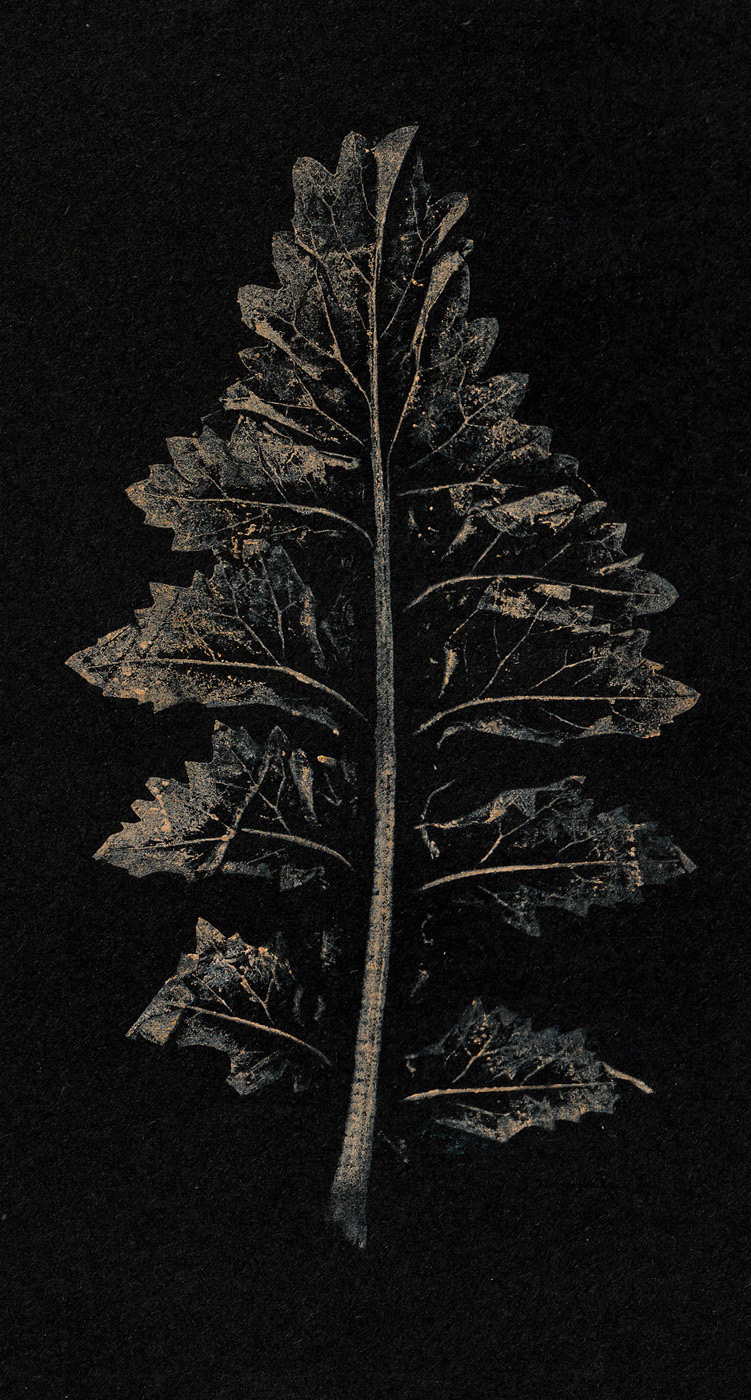
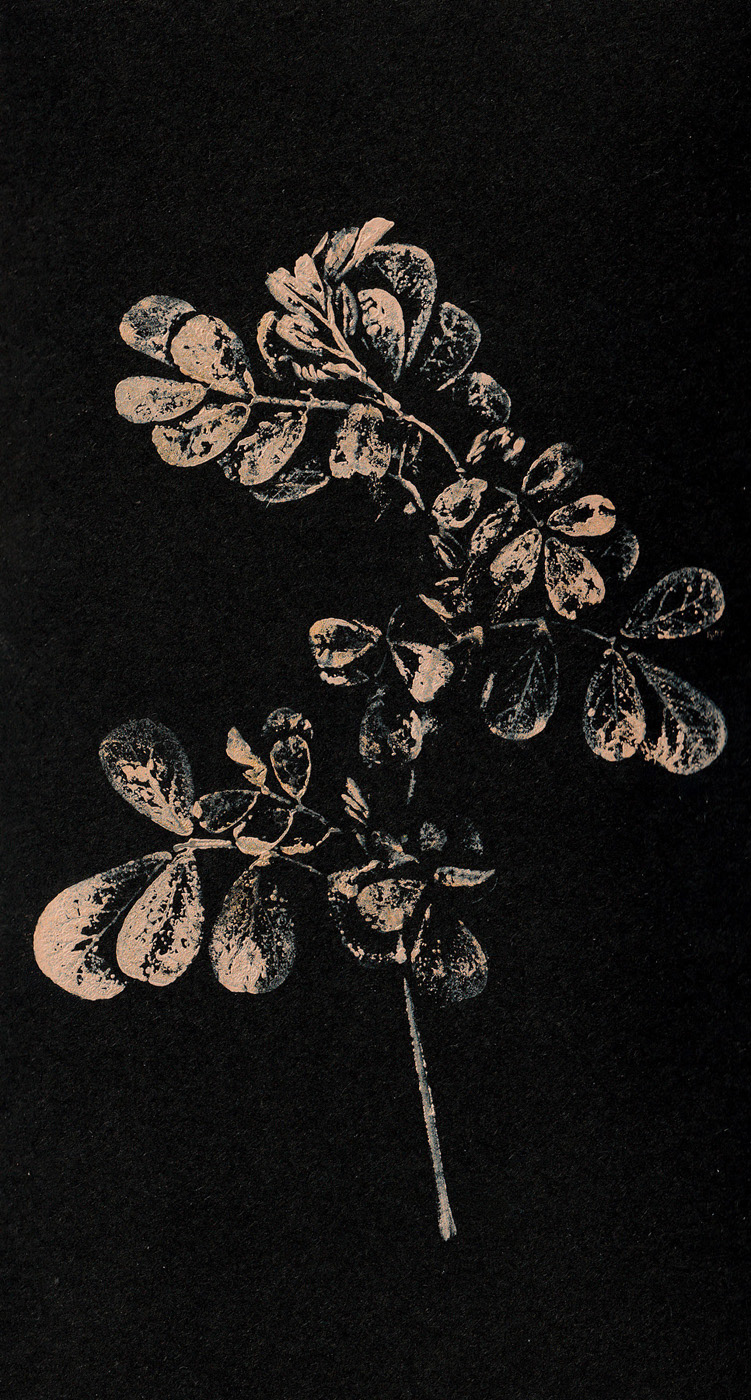
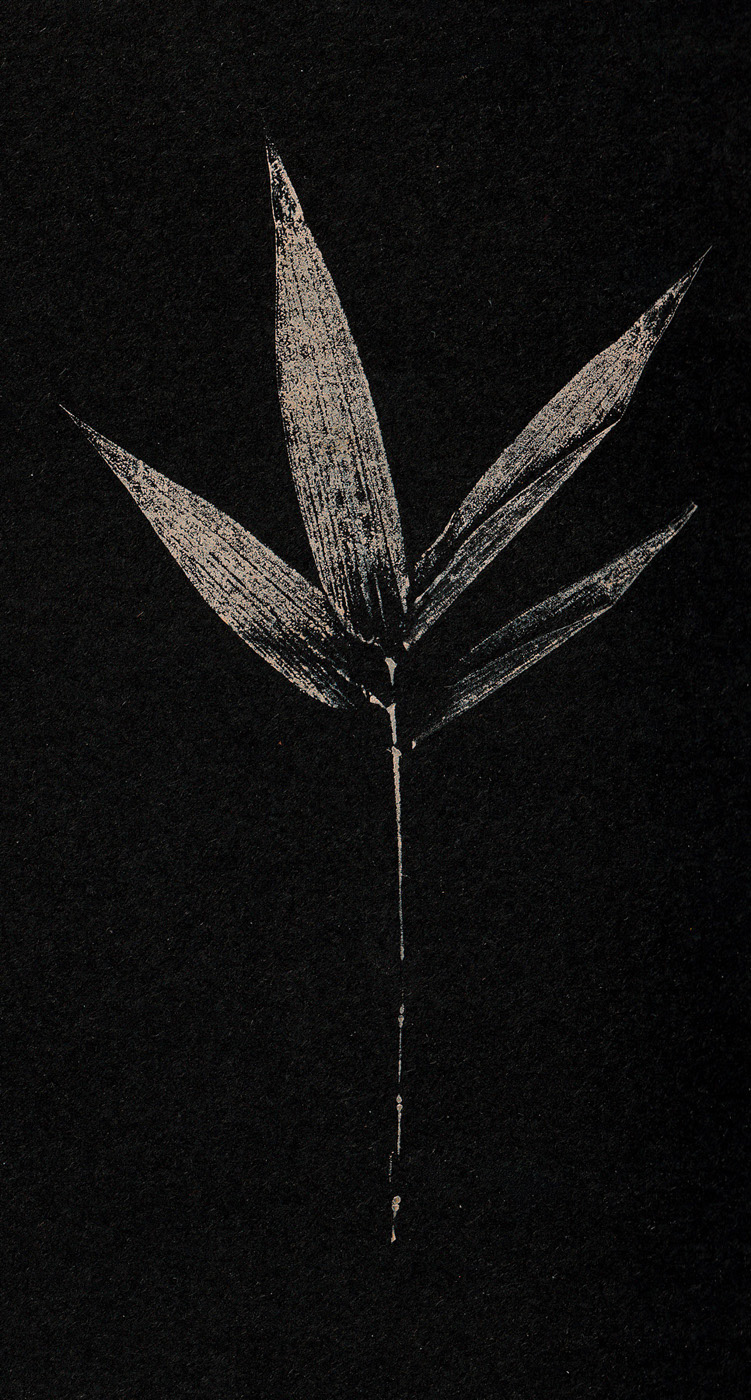
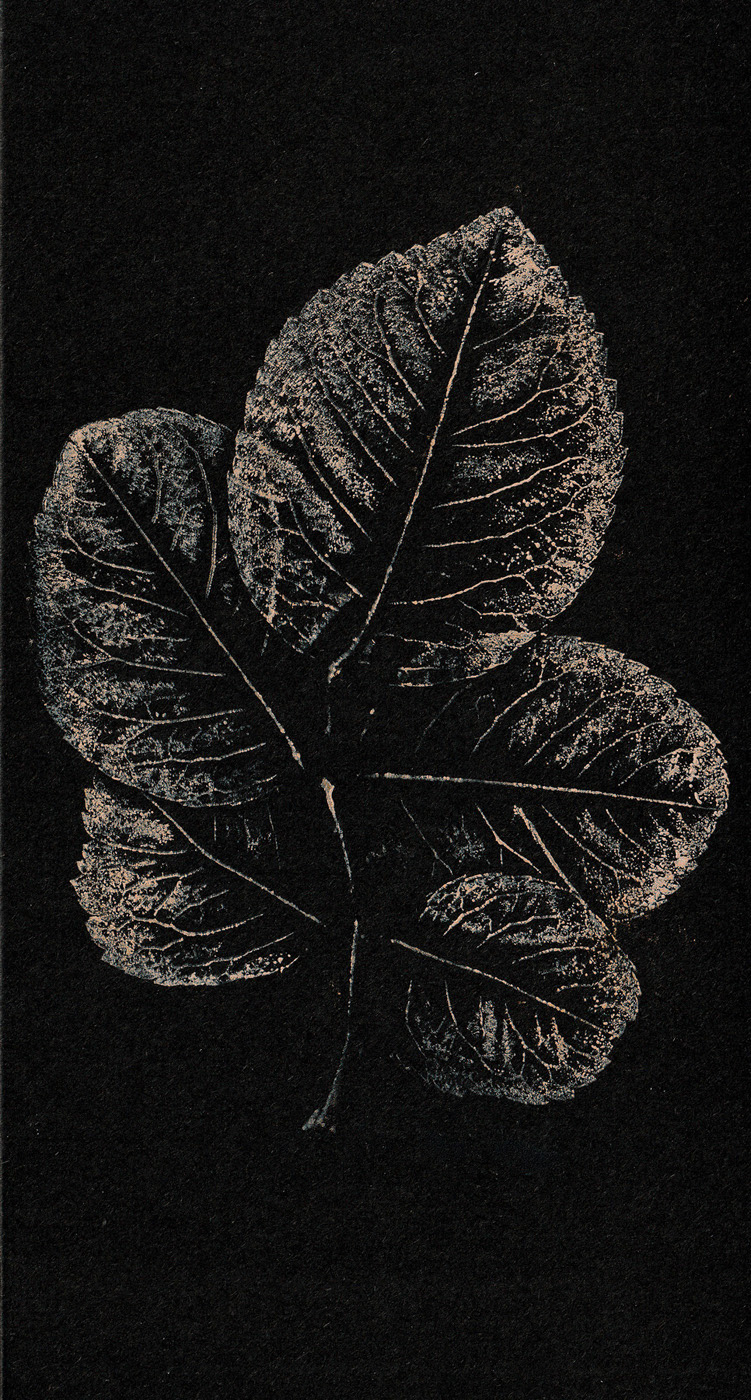
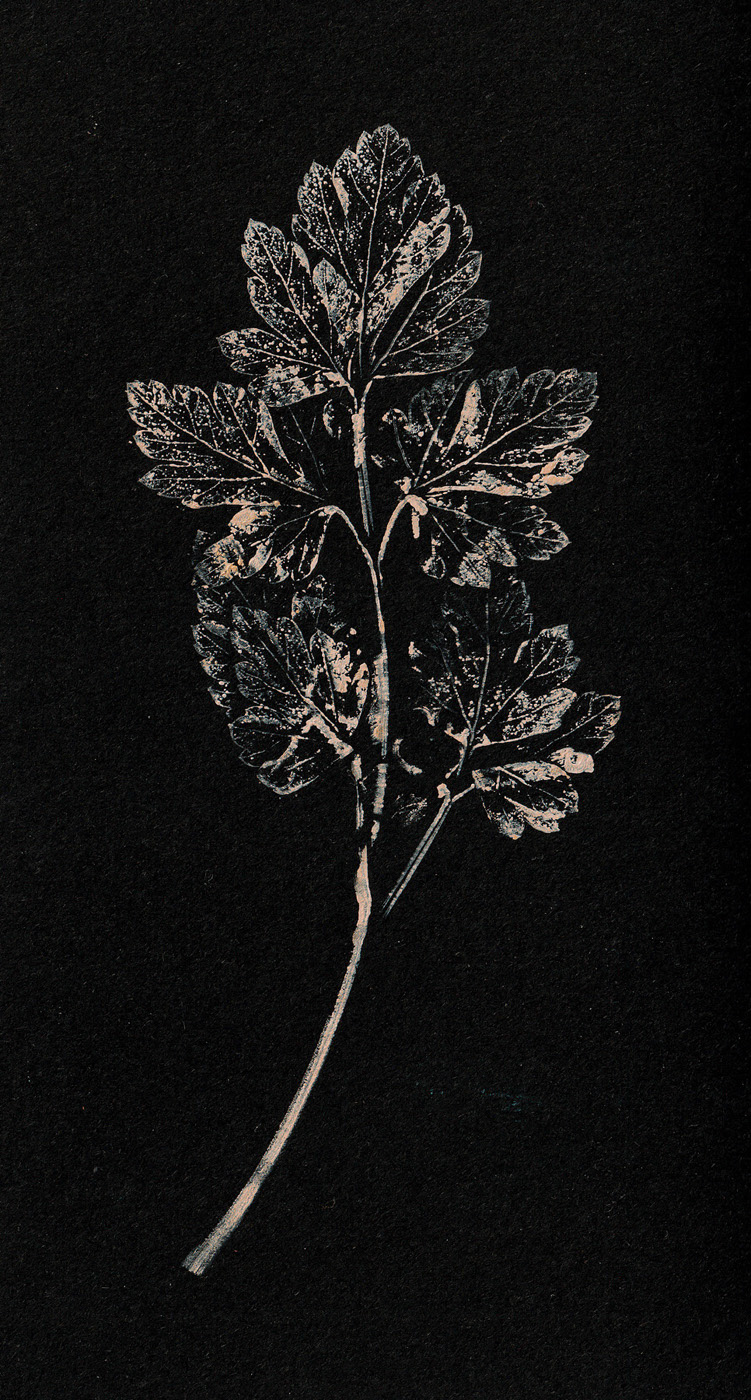
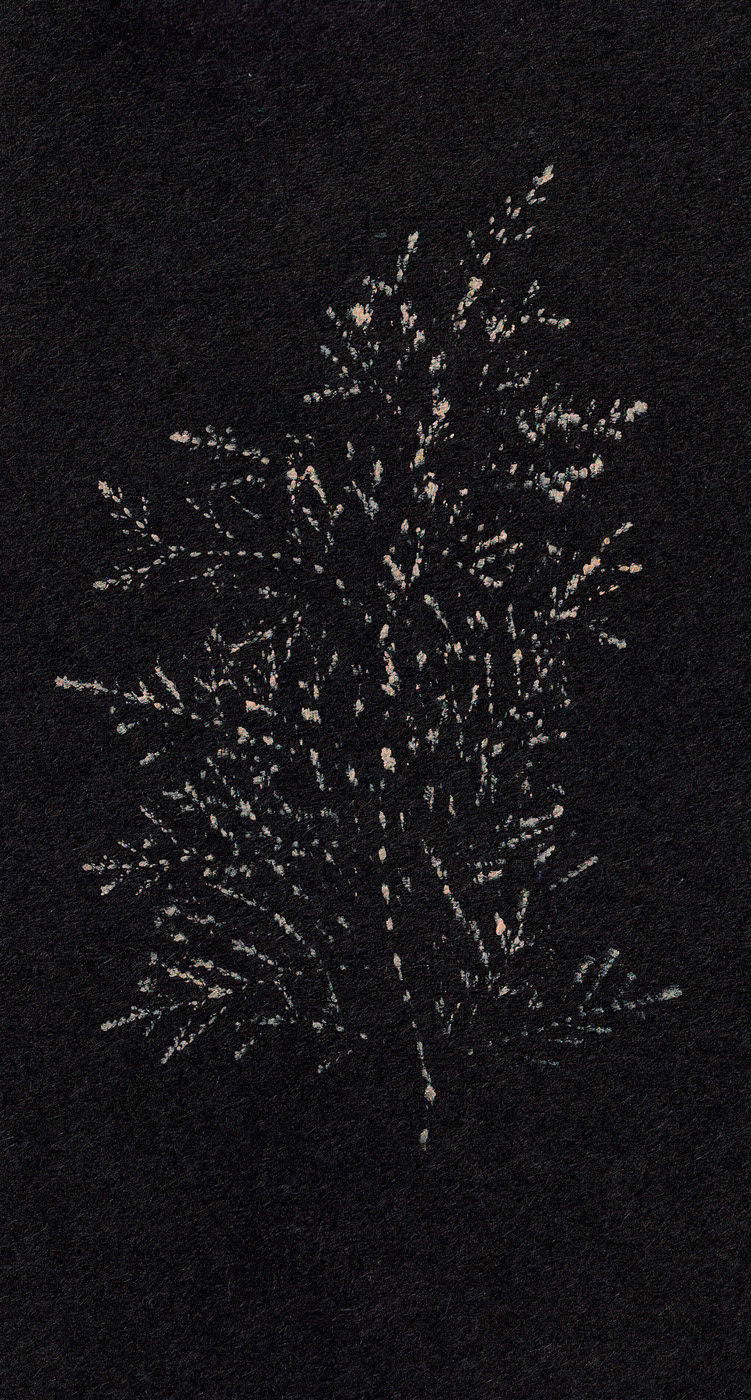
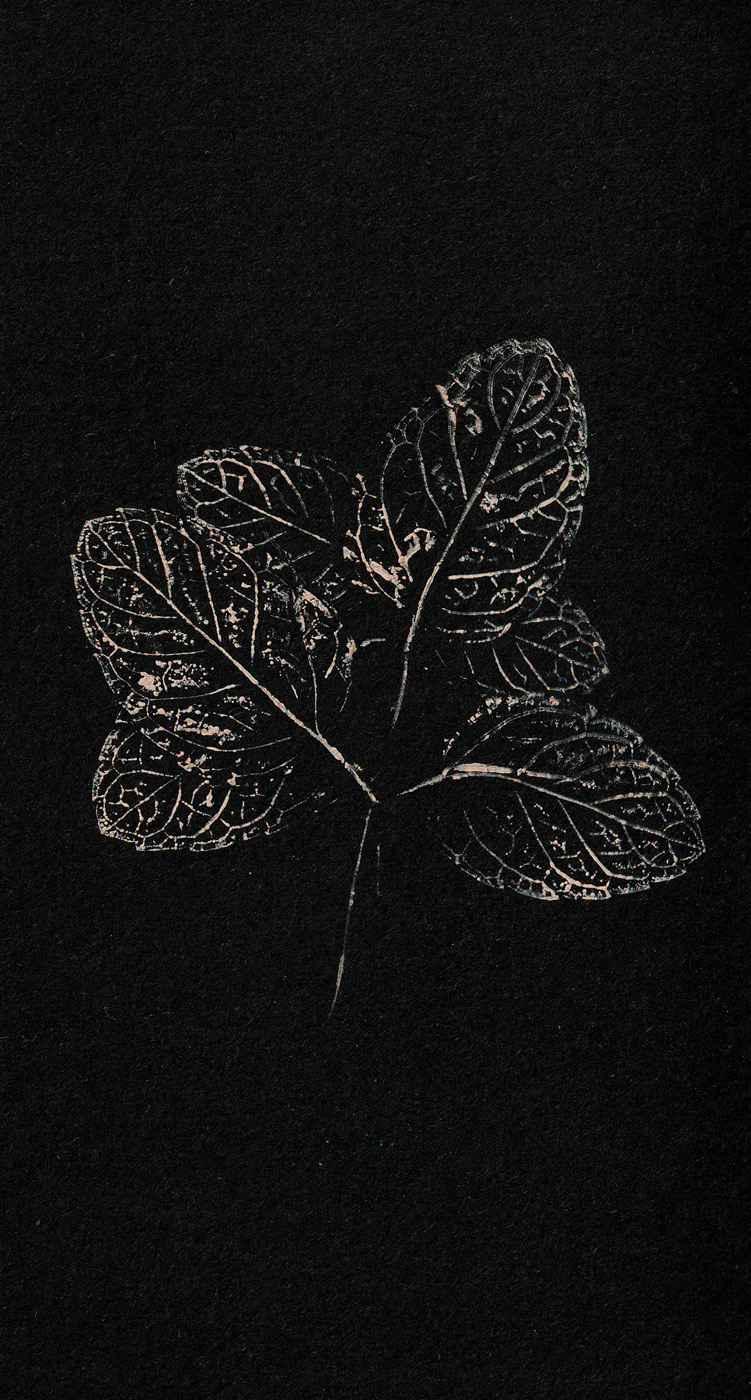
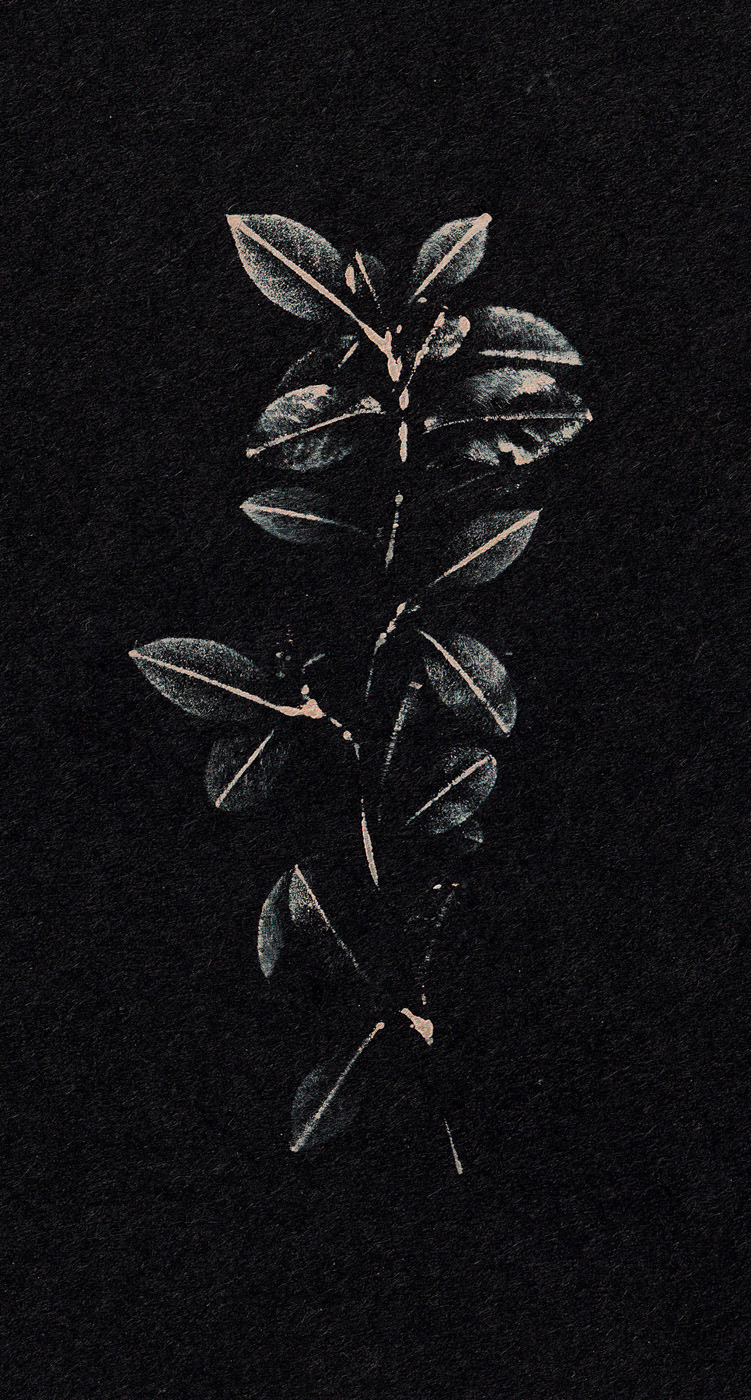
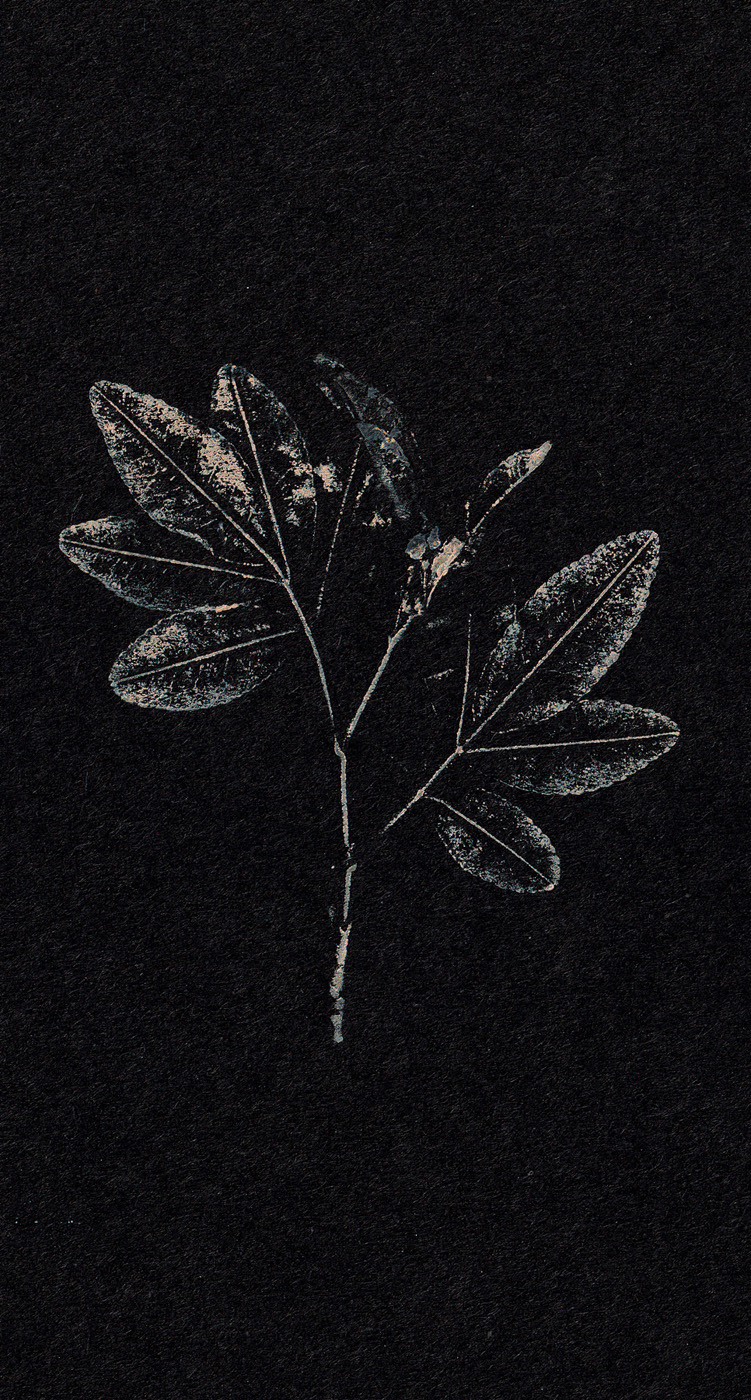
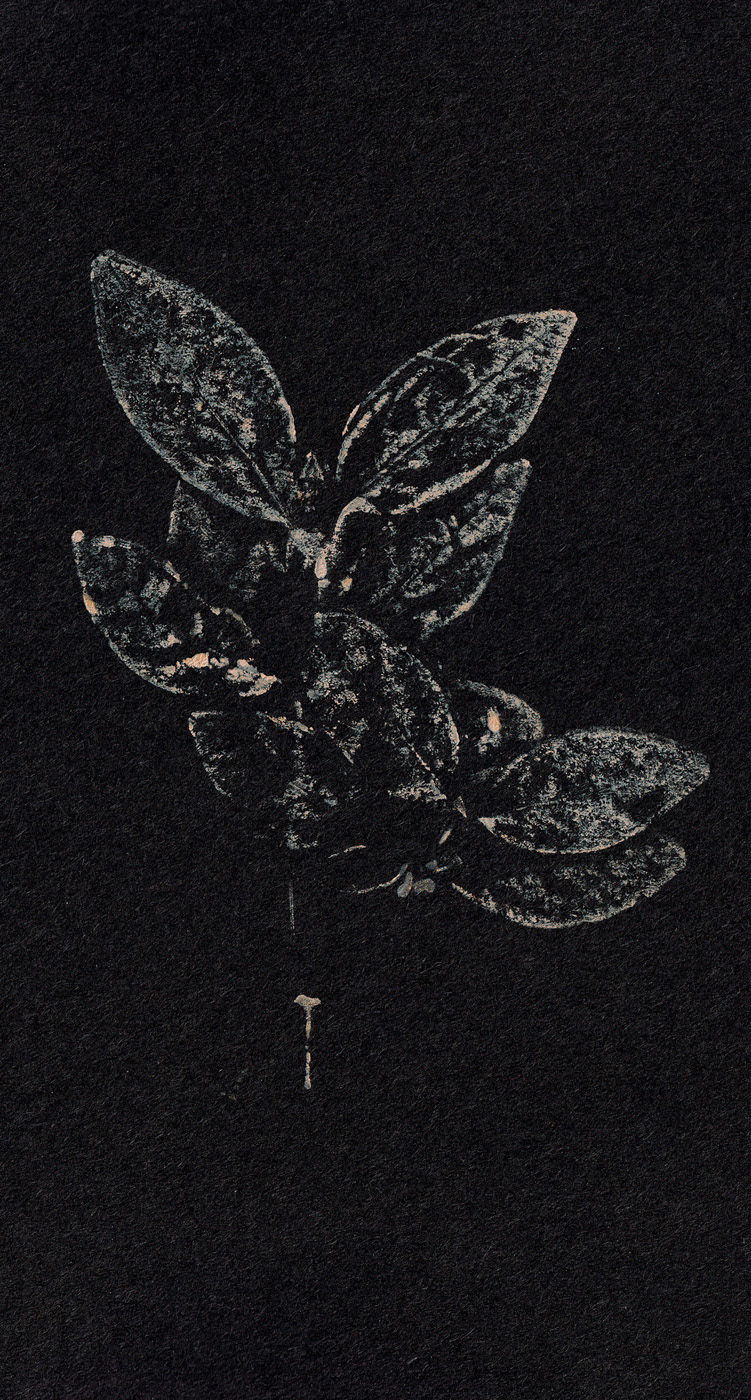
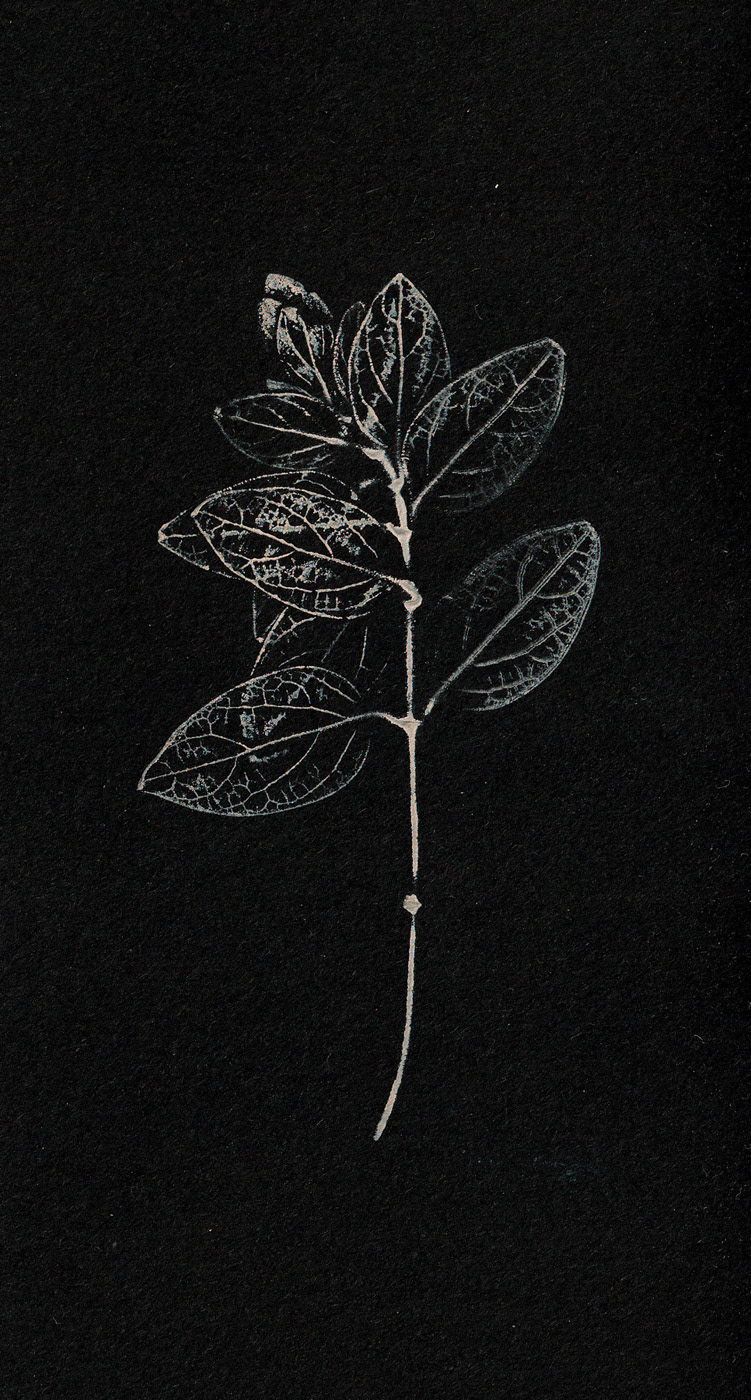
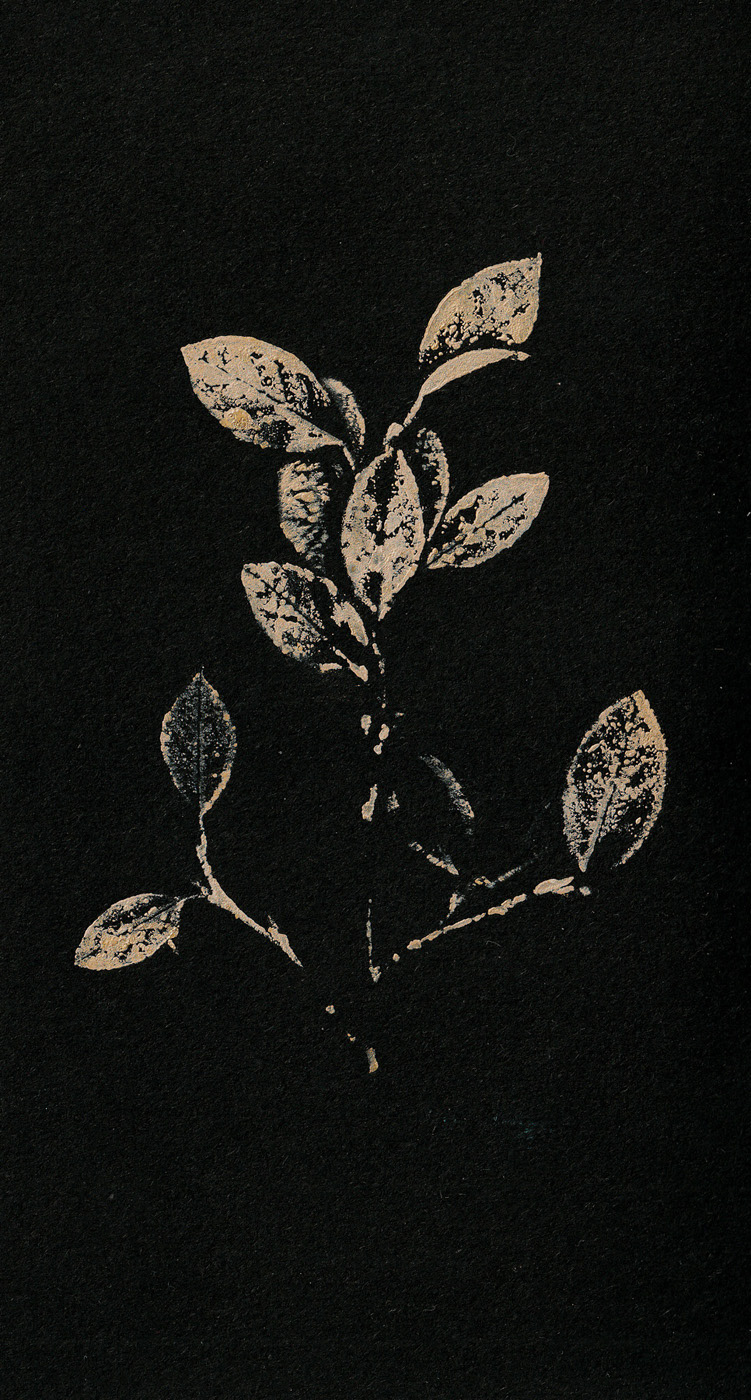
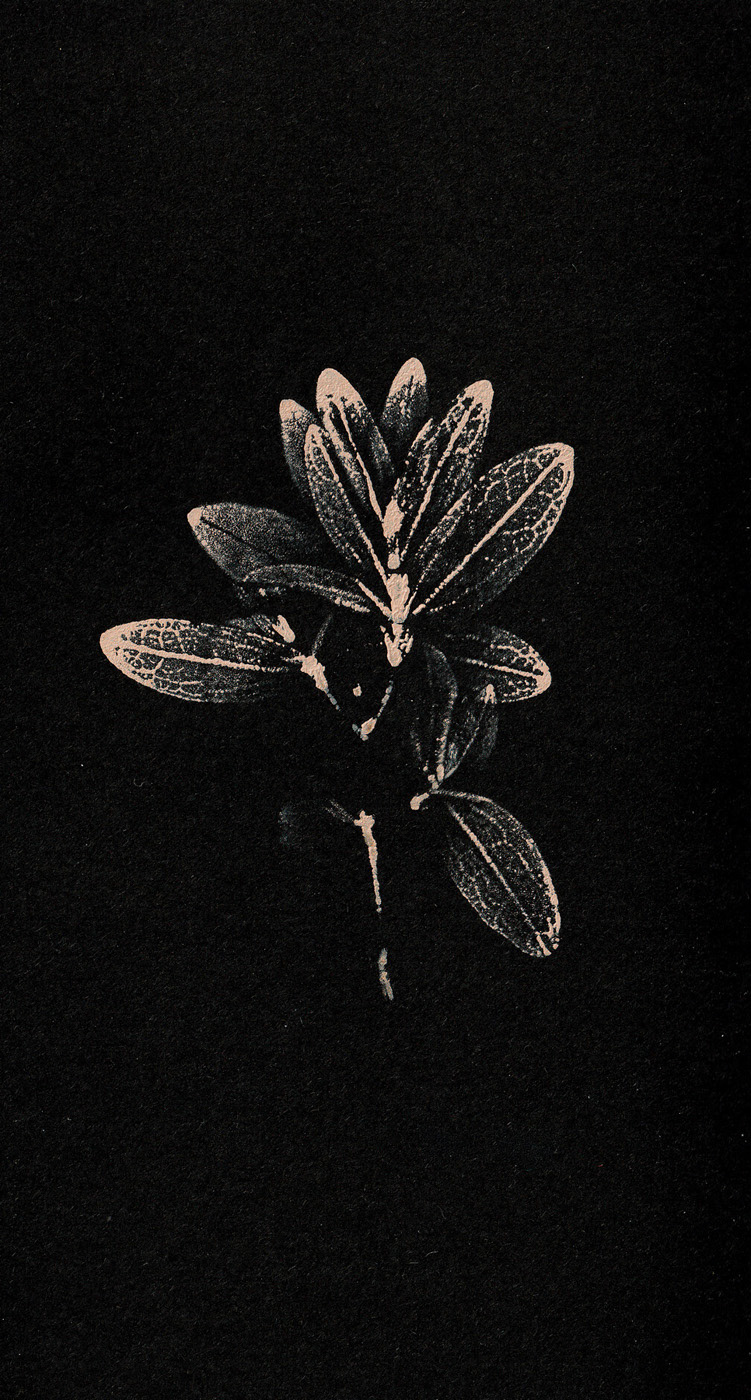
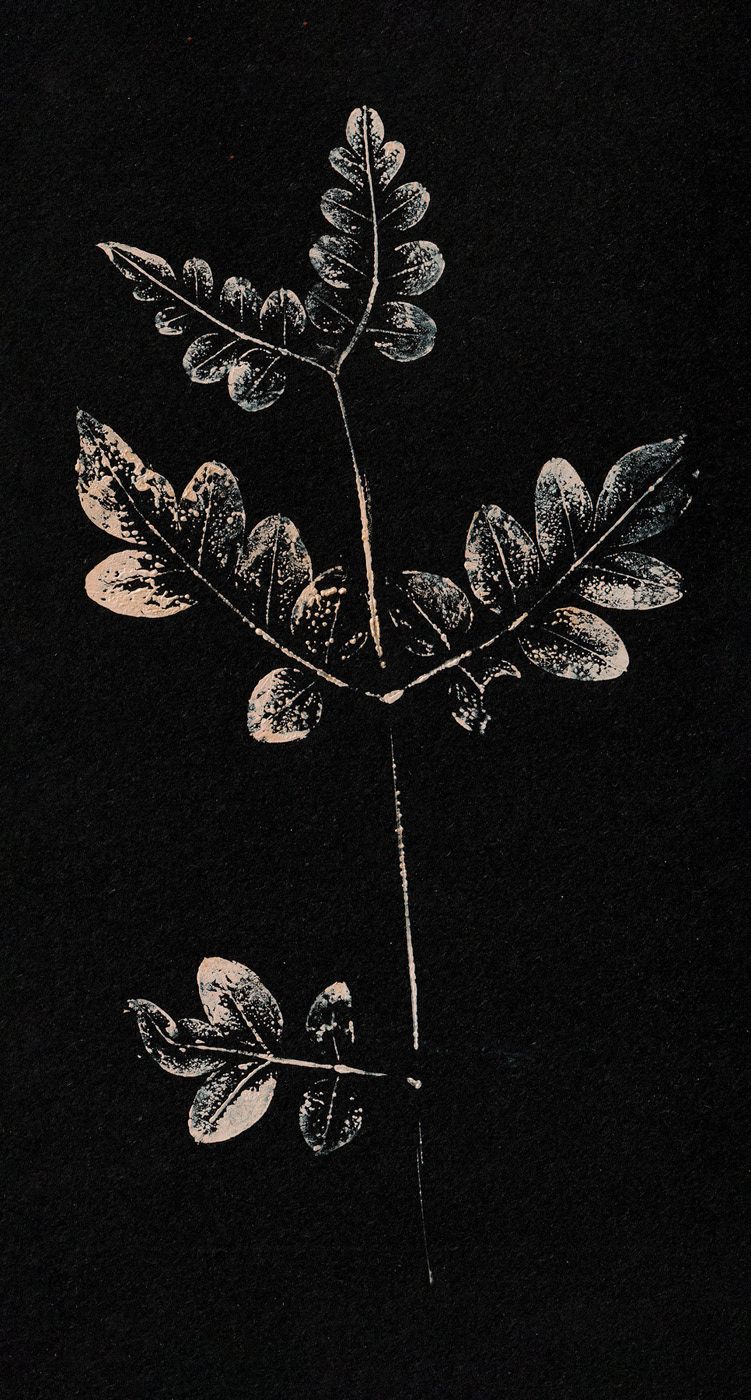
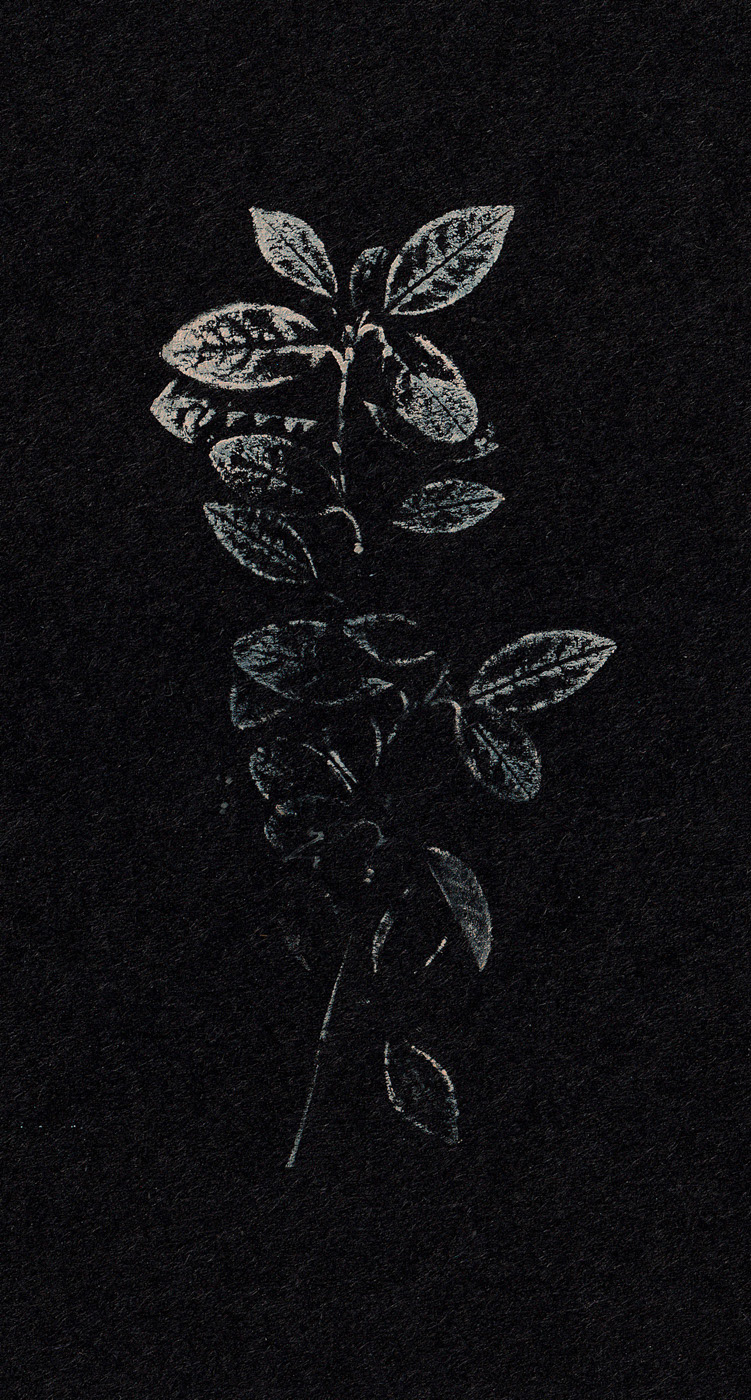
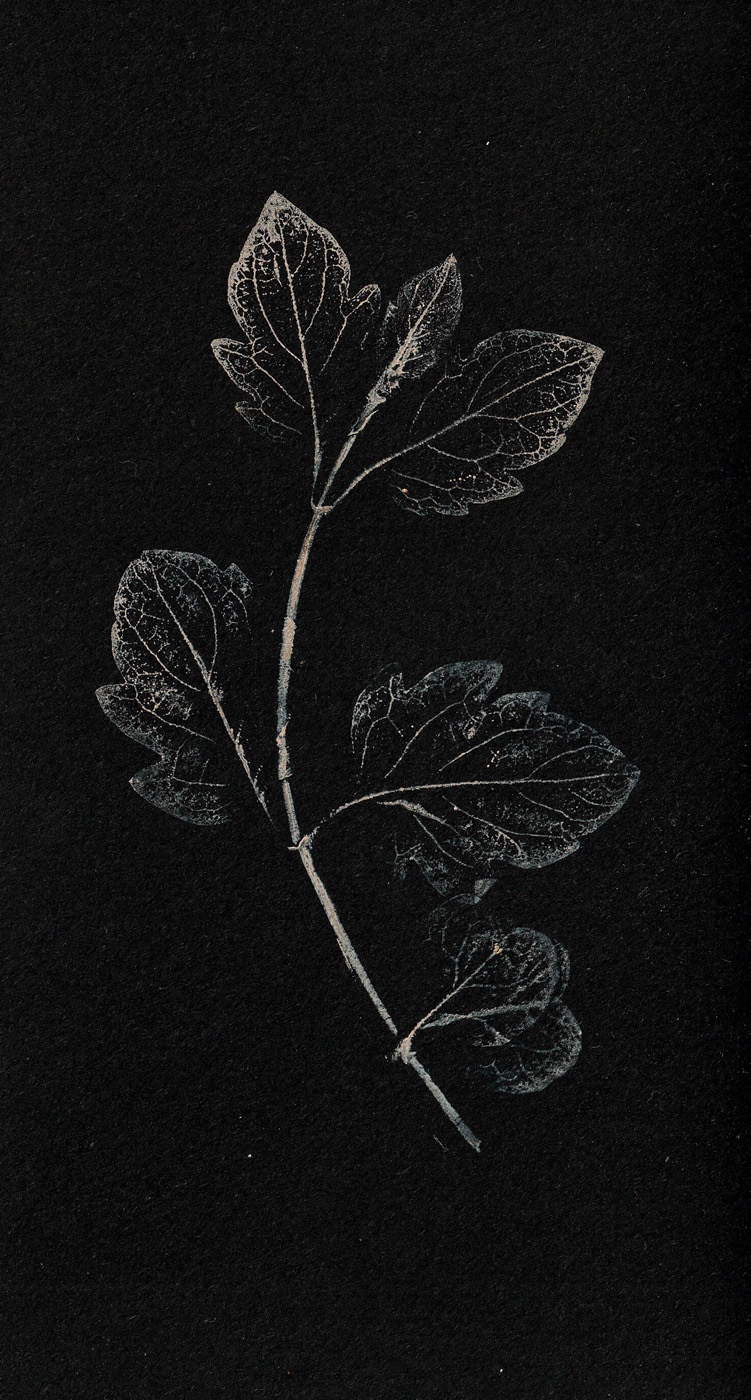
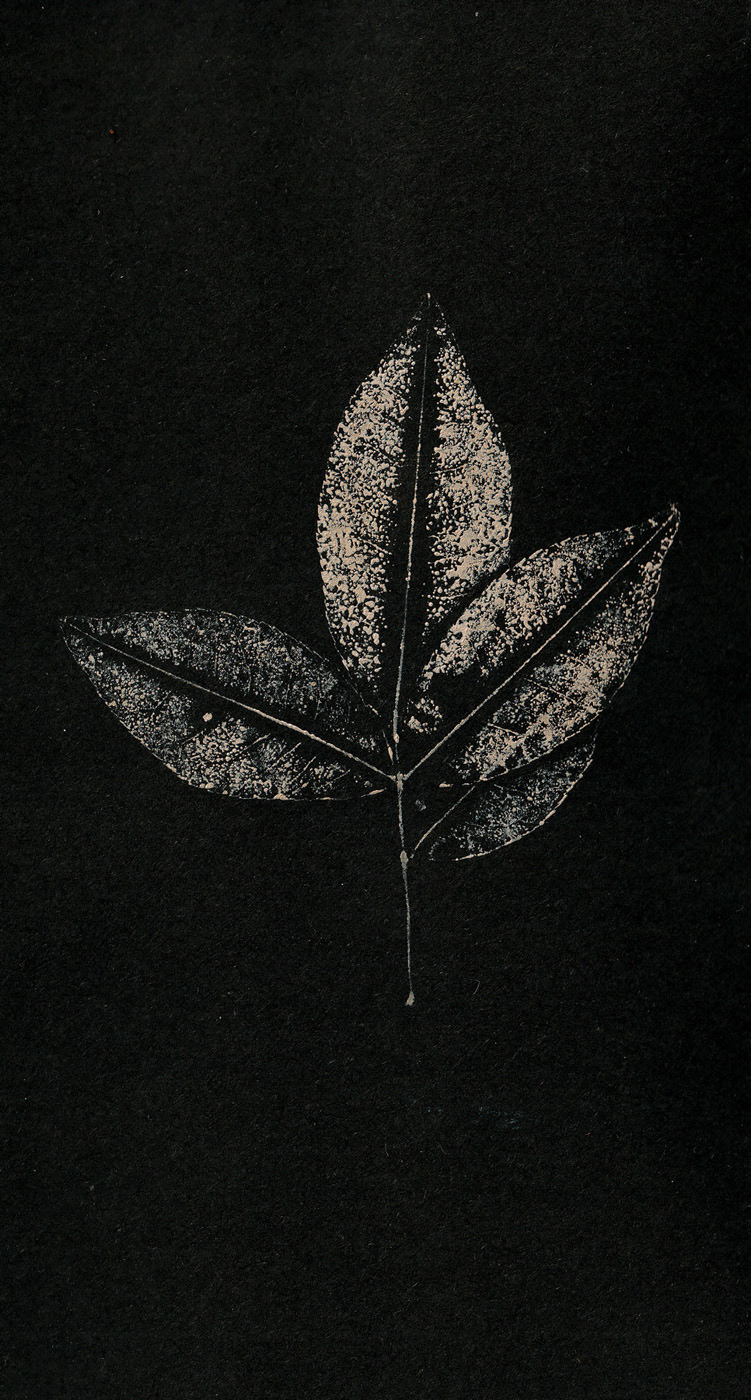
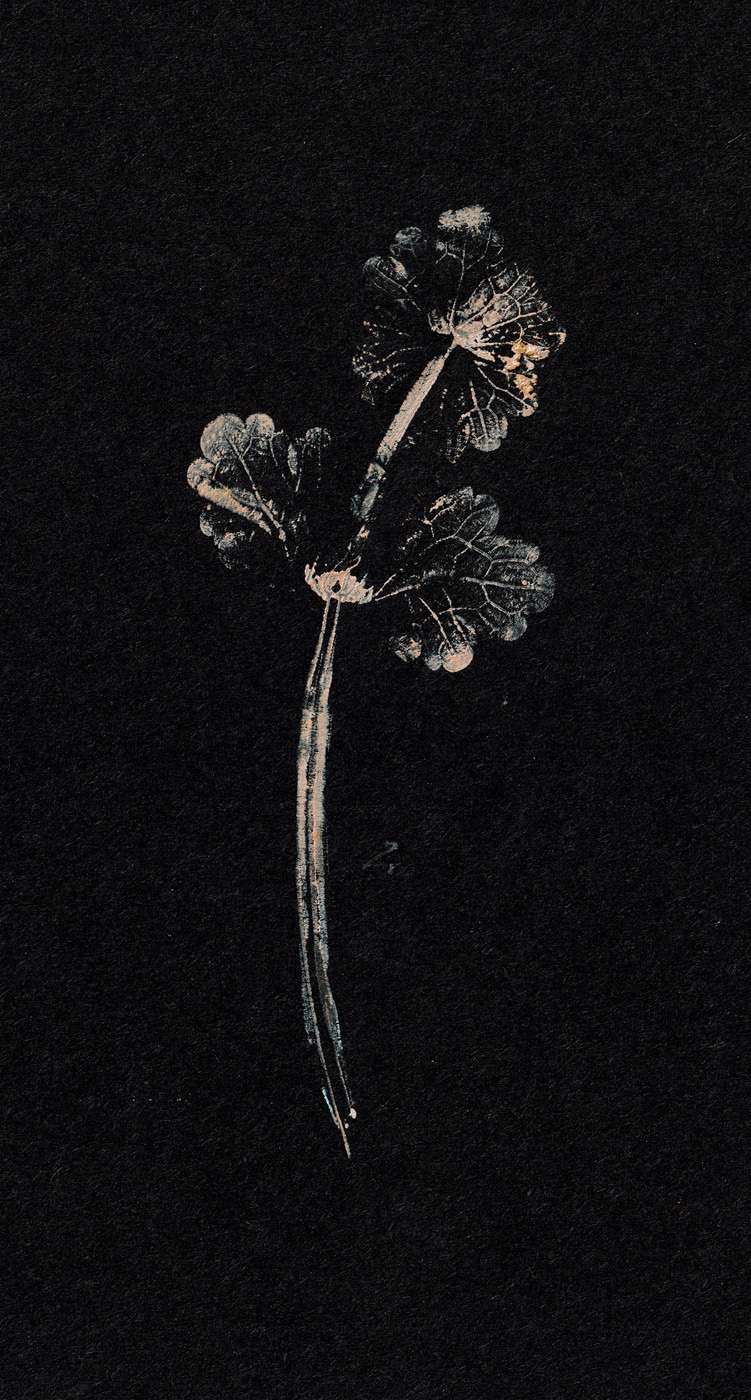
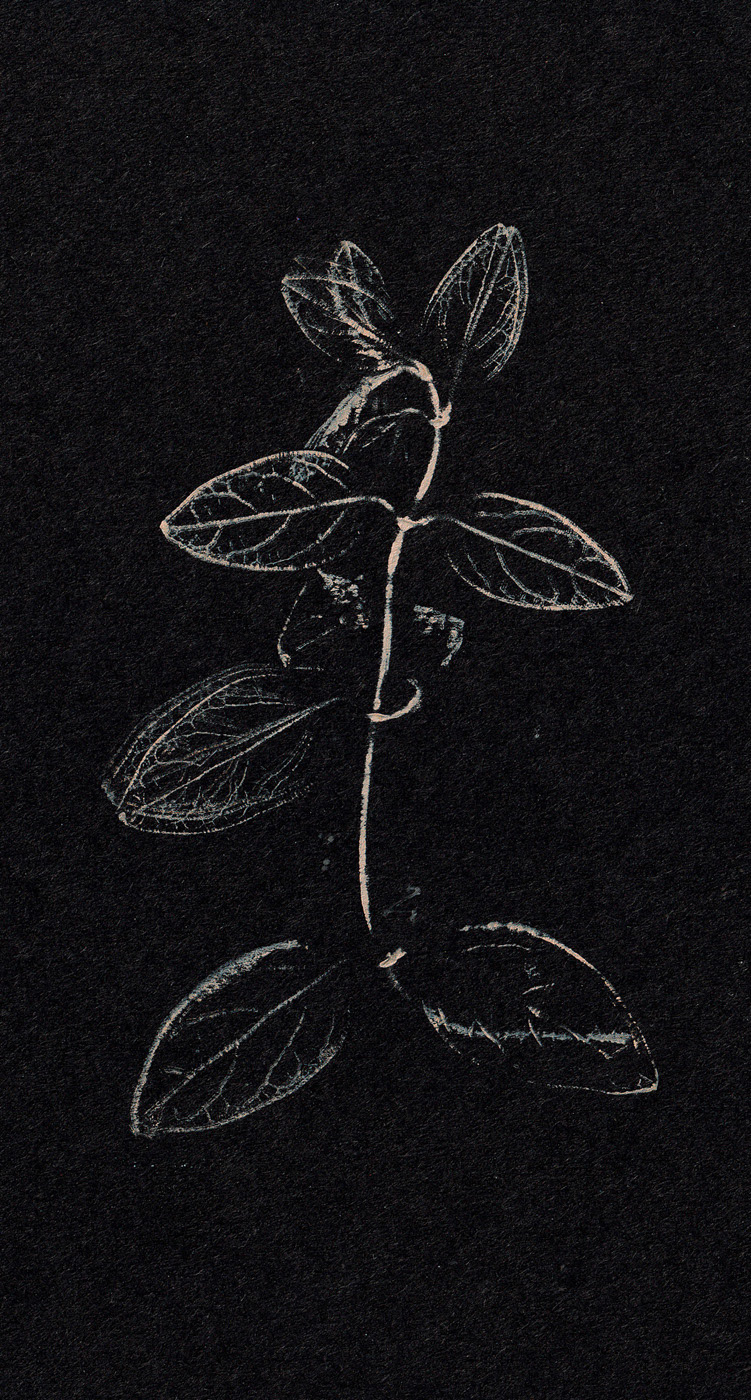
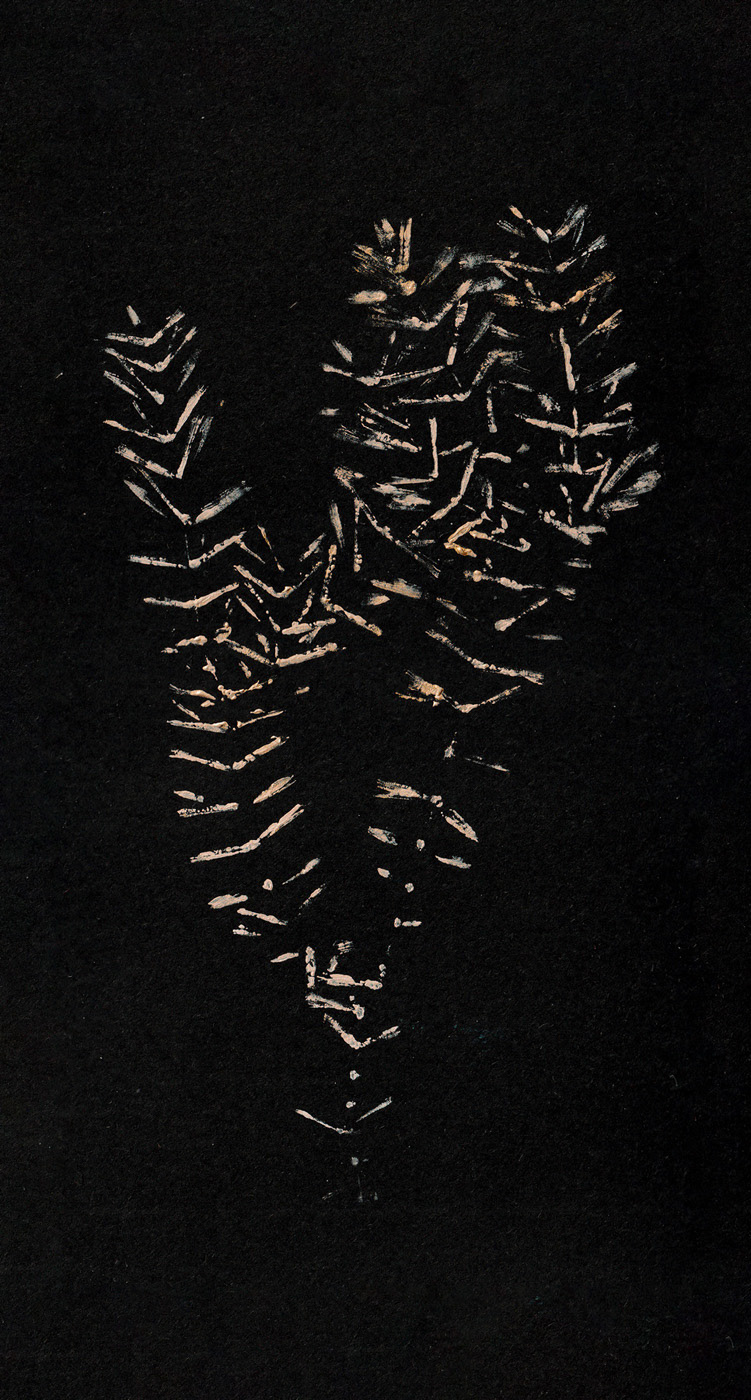
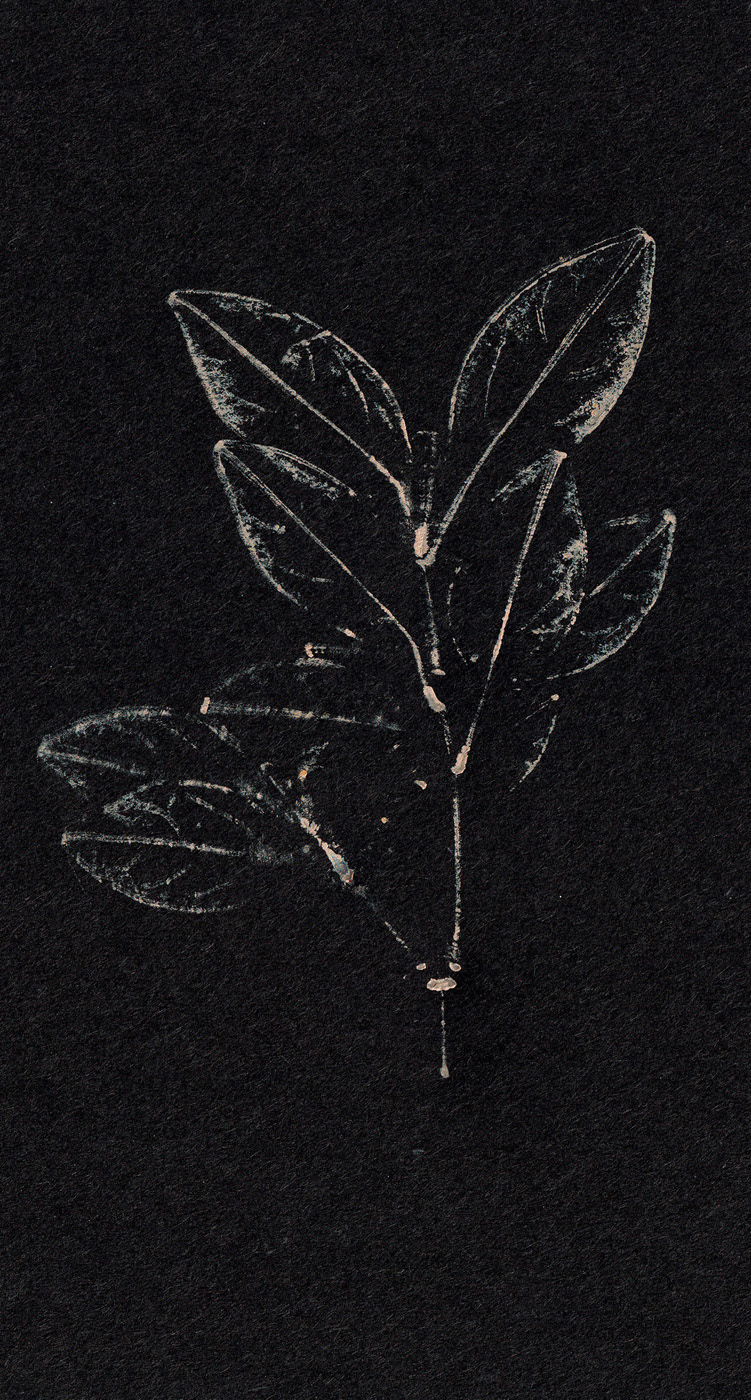
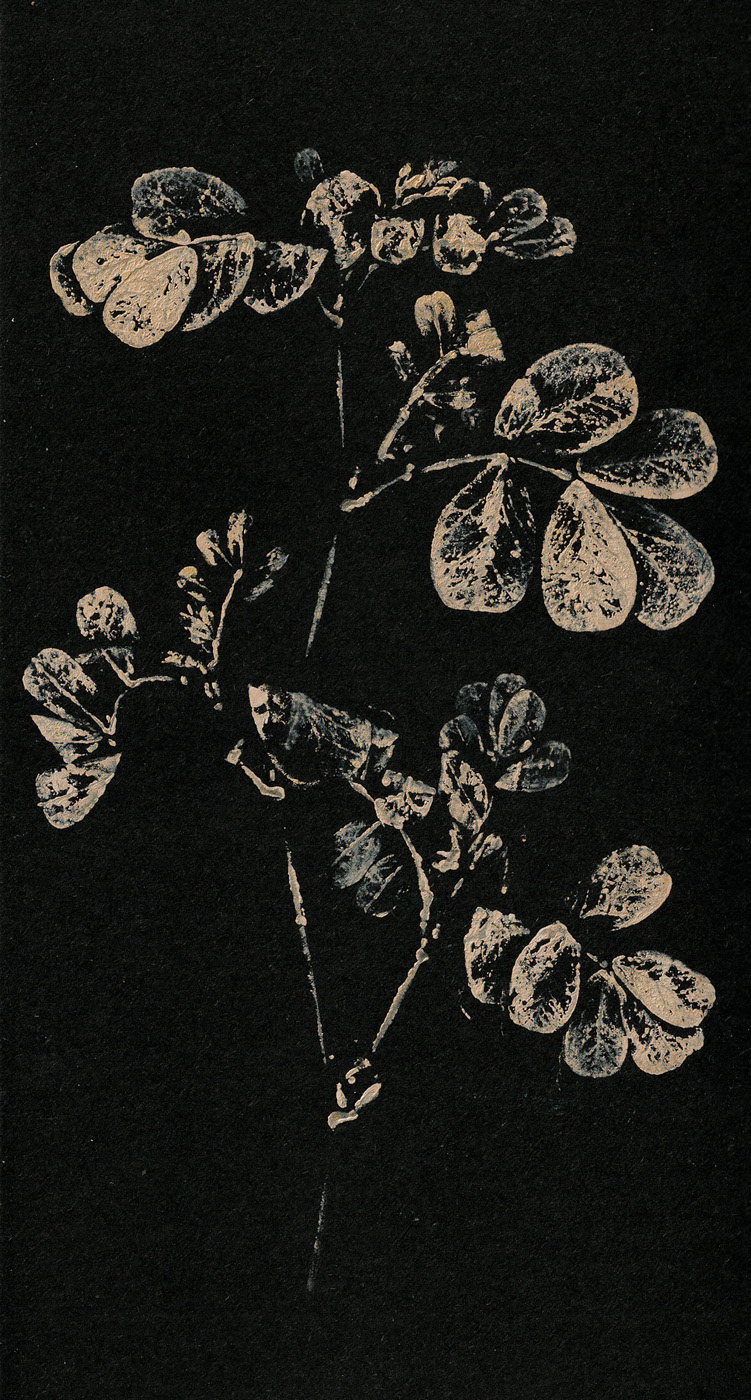
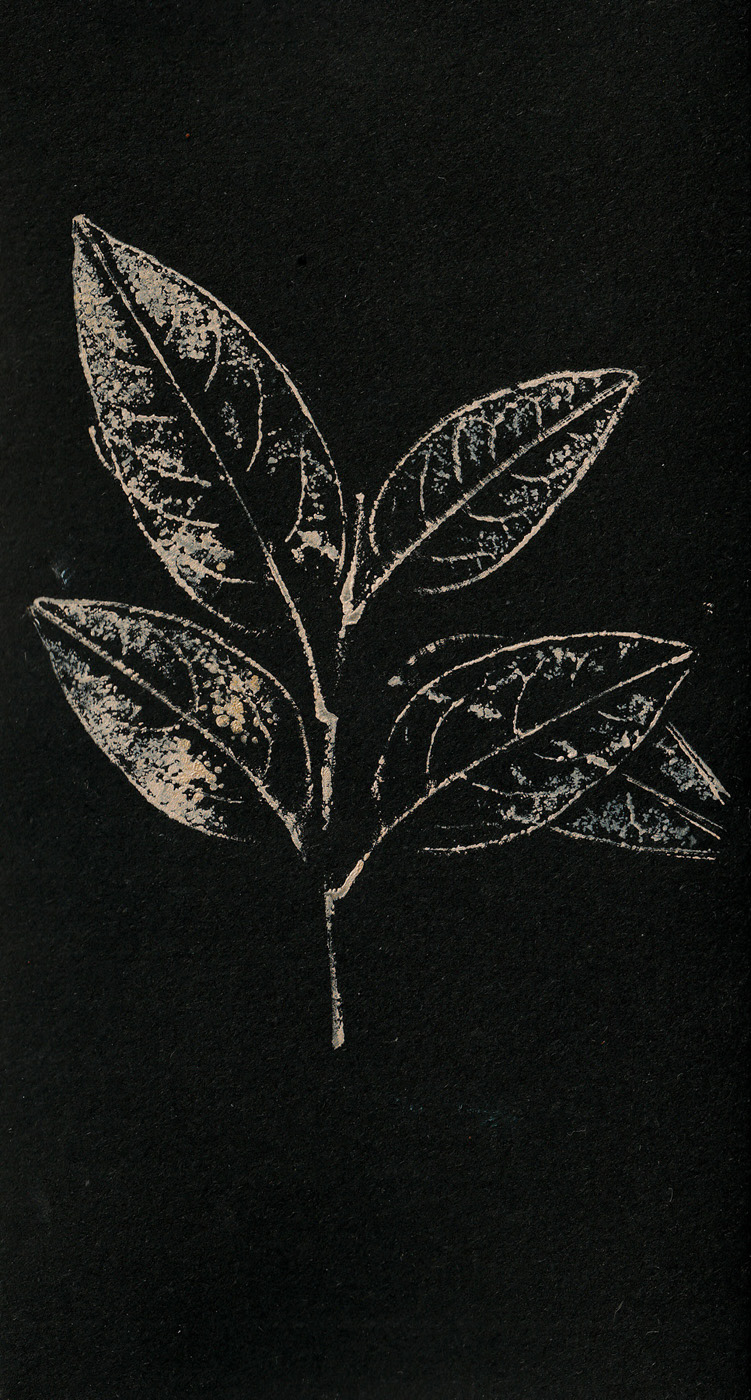
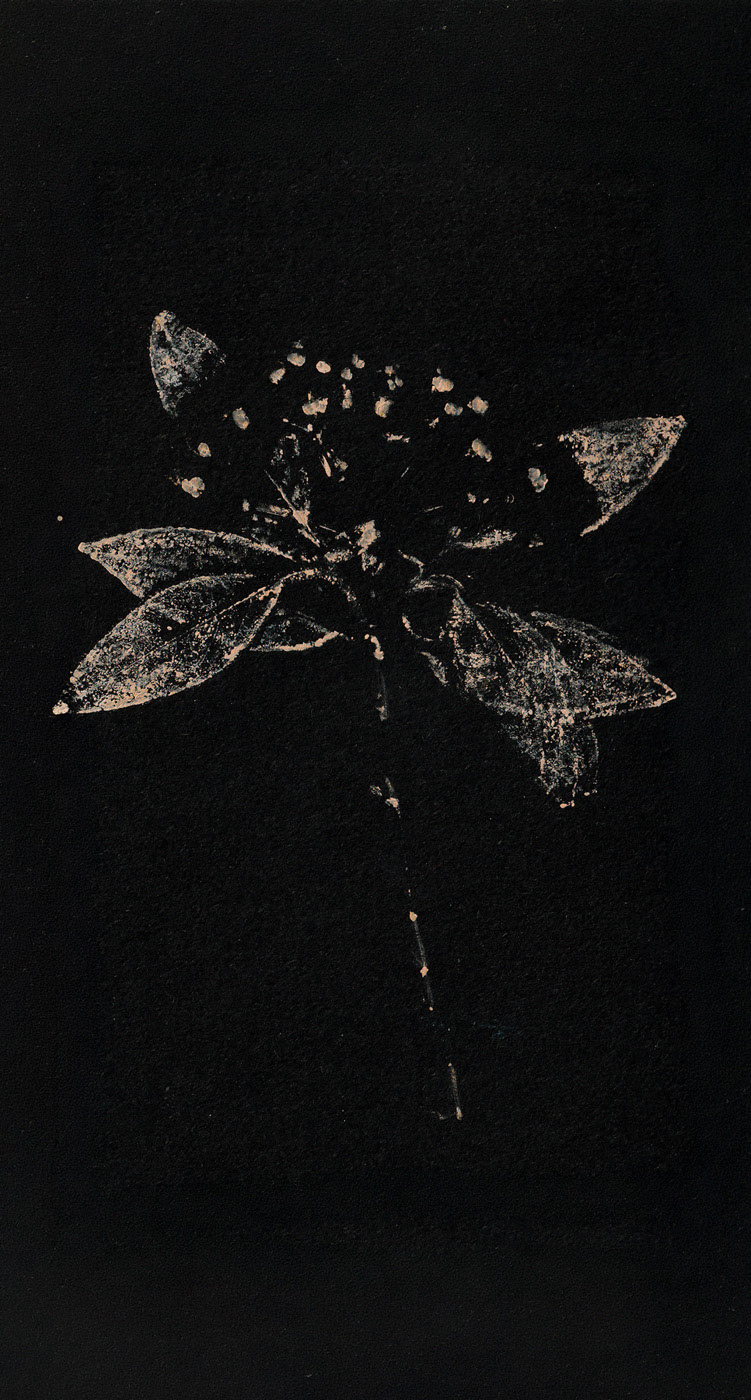
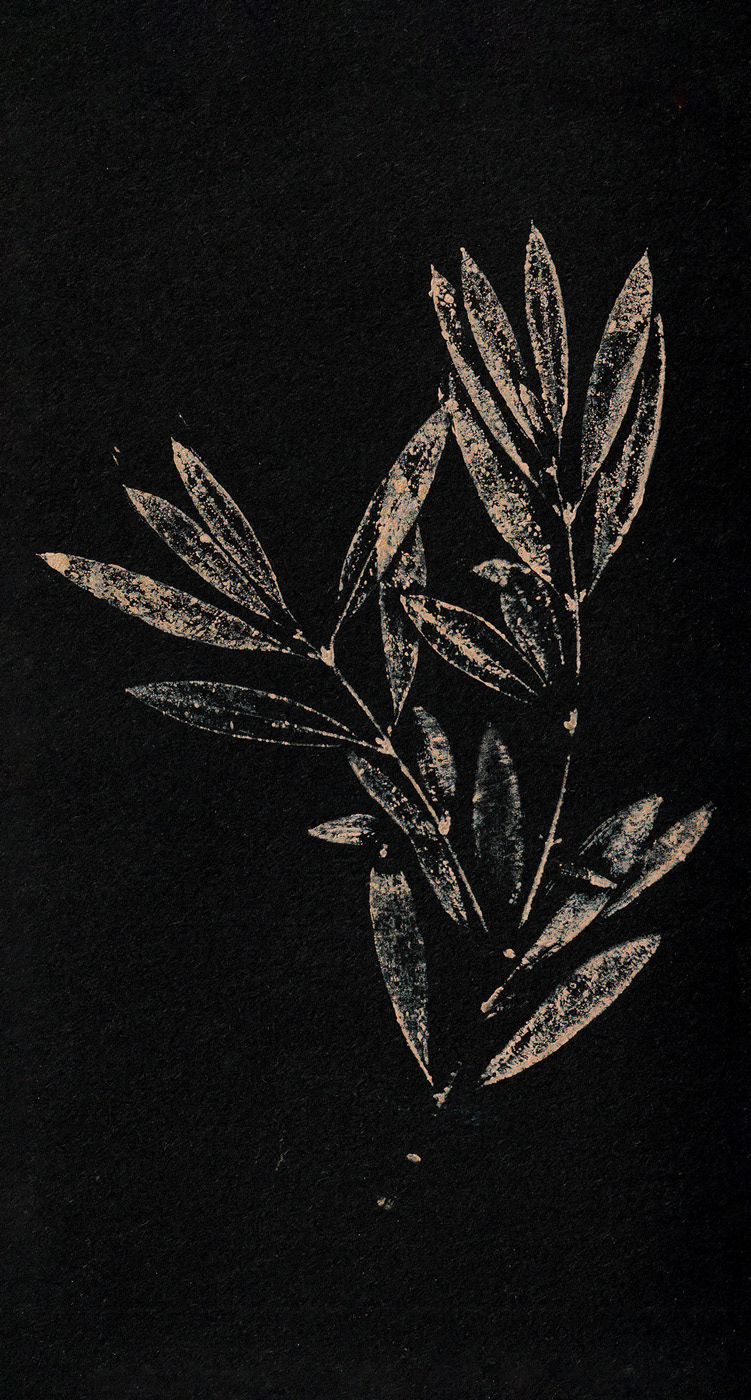
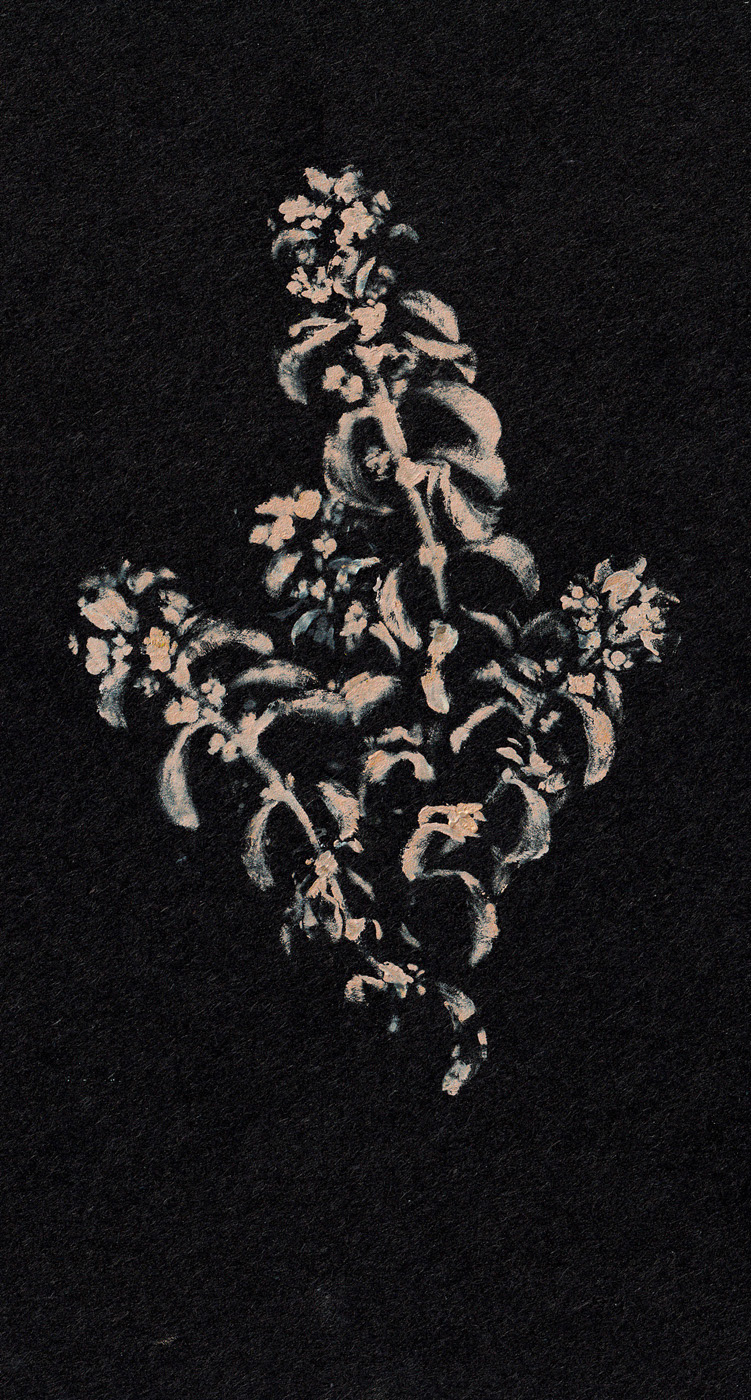
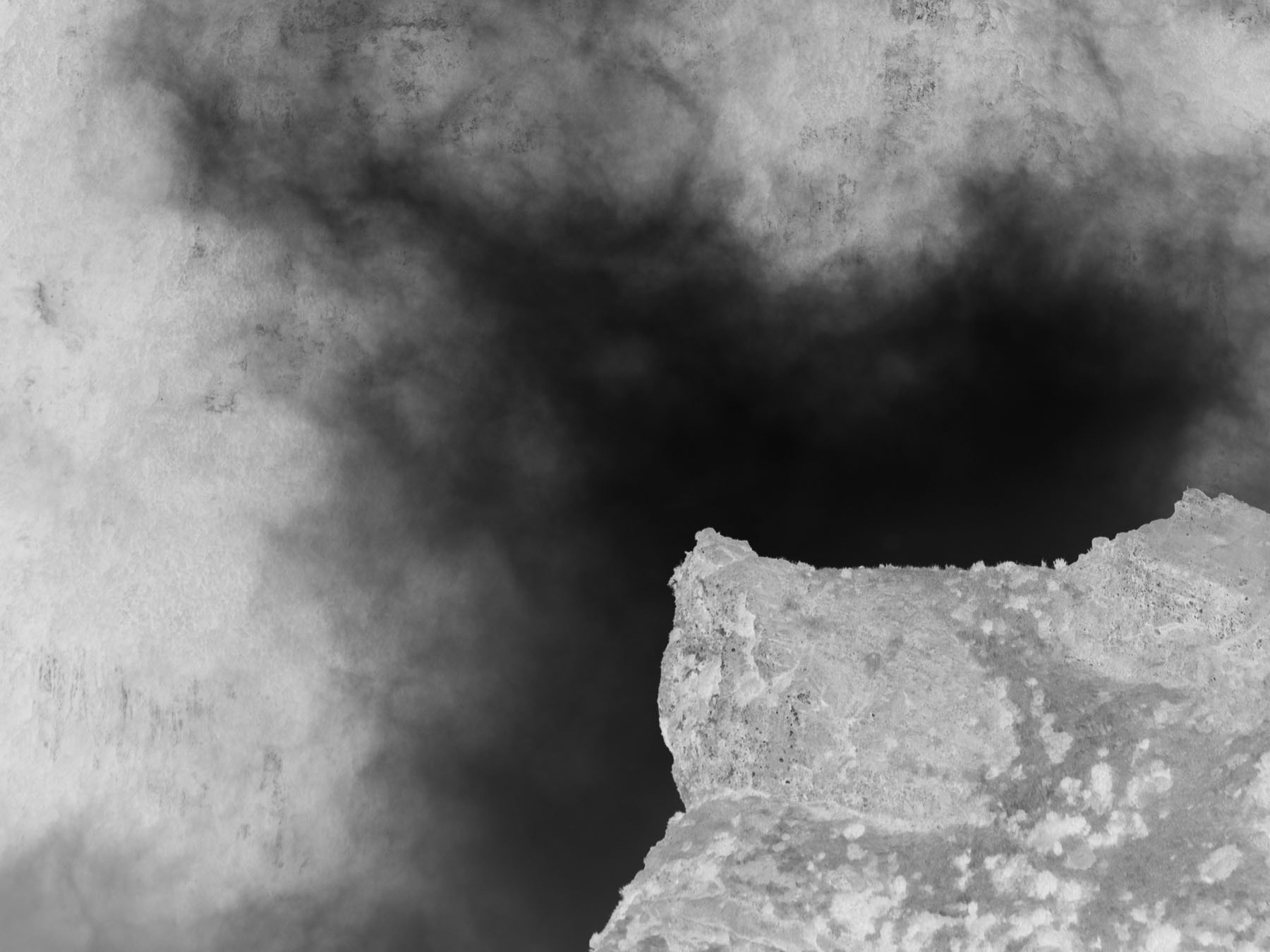
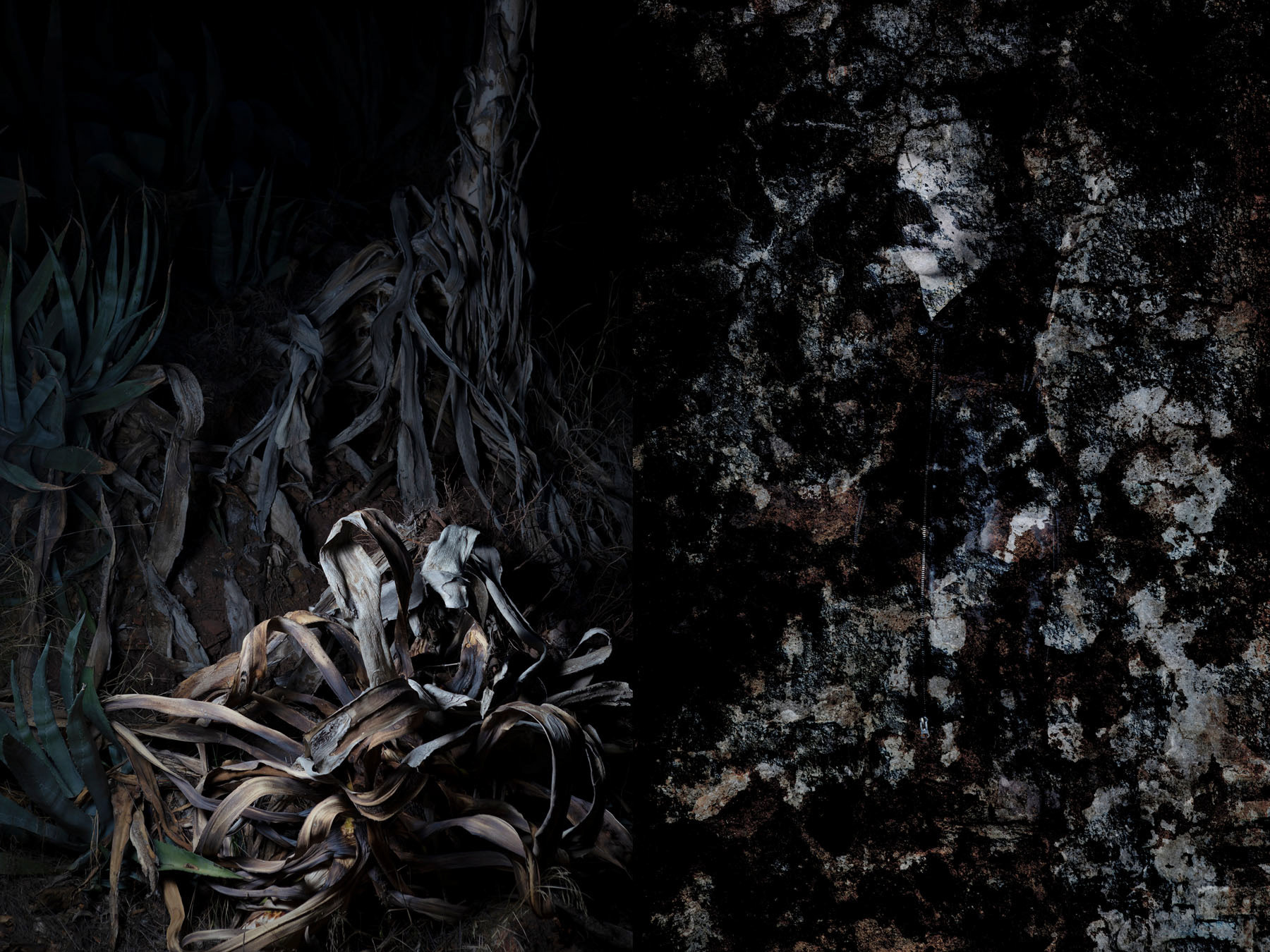
Estas imágenes se entrelazan y dialogan con formas orgánicas obtenidas a partir de monotipos realizados manualmente. Cada uno de ellos se produce mediante un gesto único e irrepetible, en el que intervienen de manera directa plantas silvestres recogidas en el entorno en el momento de trabajo, junto a la tinta, la presión y el azar. Frente a la imagen sintética, el monotipo aporta una dimensión material que remite a lo irrepetible, a lo singular de cada vida, alejando el proyecto del dato para situarlo en el terreno de la experiencia.
Cada una de estas mujeres fue asesinada. Nombrarlas, aunque sea desde la ausencia, es una forma de sostener su memoria. Mientras esta violencia persista, será necesario seguir nombrándolas y exigir que no vuelva a ocurrir.
In 2023, 58 women were killed in Spain as a result of gender-based violence, the highest figure in the past decade. Far from being isolated incidents, these crimes form part of a sustained pattern of violence: since 2003, 1,245 women have been killed, revealing the persistence of an underlying structure that continues to operate.
That same year, 36,582 women were officially recognised as victims in legal proceedings, and 199,166 reports were filed. These figures place femicides within a much broader context of everyday violence, where threats, control and abuse coexist. Many of the women who were killed had previously reported their aggressors, were under protection measures, or were in direct contact with them, exposing the shortcomings of existing protection systems.
“23” takes that year as its point of departure to construct a space of memory. The project is articulated through synthetic images generated from real photographs, which do not seek to represent the victims literally, but rather to offer a symbolic presence: bodies at rest, removed from harm, suspended in a calm they were never allowed.
These images intertwine and engage in dialogue with organic forms obtained through hand-made monotypes. Each of them is produced through a unique and irrepeatable gesture, in which wild plants gathered in the surrounding environment at the moment of making, along with ink, pressure, and chance, intervene directly. In contrast to the synthetic image, the monotype introduces a material dimension that points to the irrepeatable, to the singularity of each life, moving the project away from data and into the realm of experience.
Each of these women was killed. Naming them, even through absence, is a way of sustaining their memory. As long as this violence persists, it will remain necessary to continue naming them and to demand that it does not happen again.